Why Is Offshore Technology Important for Global Buyers?
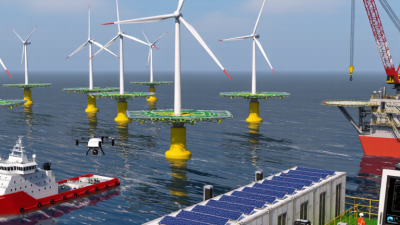
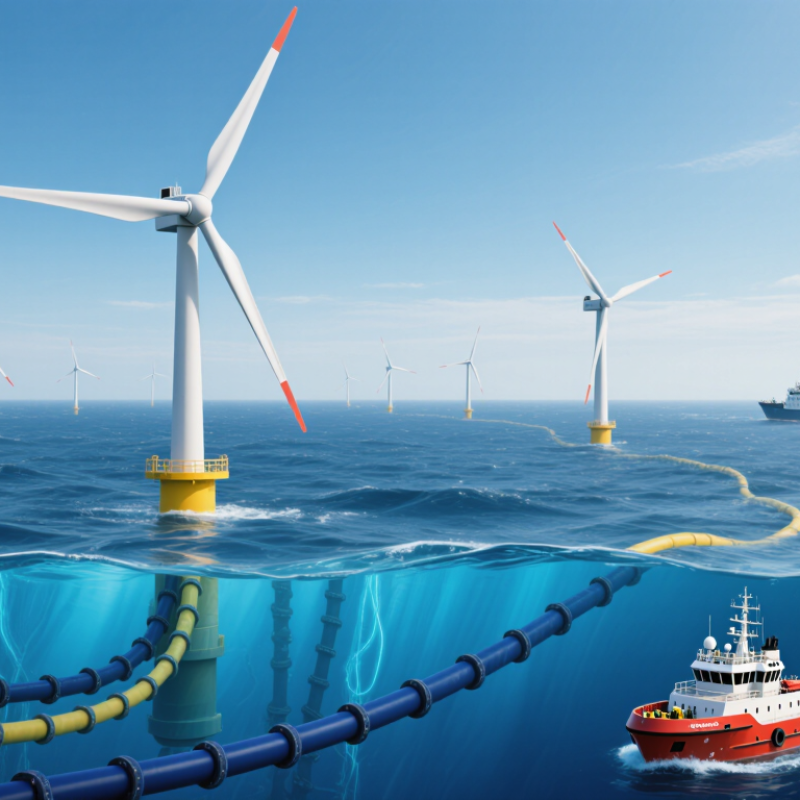
Global buyers increasingly depend on systems that operate far beyond the shoreline. Offshore Technology supports energy production, subsea communications, marine research, and industrial projects in demanding conditions. A wind turbine may stand miles from land, connected by cables that face saltwater, pressure, and constant movement. Reliability is not an abstract promise. It affects maintenance visits, project schedules, and the cost of every kilowatt-hour.
Walt Musial, a leading offshore wind researcher at the U.S. National Renewable Energy Laboratory, has helped assess the engineering and commercial challenges of offshore wind. A fair paraphrase of the lesson in his research is: “Offshore wind succeeds when turbines, foundations, cables, and maintenance work as one dependable system.” This is a paraphrase, not a verbatim quotation. The distinction matters.
For buyers, offshore technology can widen access to energy resources and specialized infrastructure. It can also bring harder decisions. How long can components last in corrosive air? Can technicians reach a site safely during rough weather? Will spare parts be available years later? These questions deserve more attention than glossy capacity figures. A supplier’s track record, testing methods, service plan, and data transparency are practical evidence of expertise. Still, even careful forecasts can miss real-world complications. That uncertainty is worth admitting. Understanding the technology helps global buyers compare proposals with clearer expectations, identify risks early, and choose systems built for their operating conditions—not just for a presentation.
Defining Offshore Technology Across Energy, Engineering, and Marine Operations
Offshore technology is the equipment, methods, and digital systems used to work safely and reliably at sea. It spans energy production, subsea engineering, and marine operations. The setting matters: salt spray corrodes metal, waves affect vessel movement, and weather can delay access to a site. Conditions change fast.
In energy projects, offshore systems support wind turbines, platforms, cables, and subsea facilities. Engineers use structural models, sensors, and inspection tools to track loads, vibration, and corrosion. These readings help teams plan maintenance before a small defect becomes a costly failure. But sensor data is not a substitute for field checks; instruments can drift, and conditions may differ across a large site.
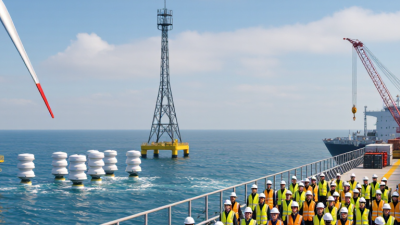
Marine operations connect the technology to daily work. Survey vessels map the seabed, remotely operated vehicles inspect underwater structures, and crews coordinate lifting and cable installation. Accurate forecasts, clear procedures, and trained operators are essential. Small faults matter. A delayed inspection or incomplete seabed survey can affect safety, schedules, and equipment life. Offshore systems are complex, and no single tool removes every risk. Teams still need to question assumptions, document limits, and adapt plans when the sea changes.
Why Sea-Based Trade Matters: Ships Carry Over 80% of World Trade by Volume
Ships carry over 80% of world trade by volume, making sea routes central to how goods reach buyers. A single vessel can transport thousands of containers, from bagged grain and medical supplies to machine parts. At a busy port, cranes lift boxes onto the quay while trucks wait nearby and crews check shipping documents. The scale is enormous. It also means a delay at one terminal can affect many supply chains at once.
Offshore technology helps buyers see and manage parts of this moving system. Satellite tracking can show a vessel’s position, while weather data can help estimate route changes. Cargo sensors may monitor temperature or humidity during a voyage. These tools support better planning, but they do not remove uncertainty. Storms, port congestion, and equipment faults still happen. A screen may show a ship nearing port, not how quickly its cargo will be unloaded. Estimated arrival times can shift. That is easy to forget when planning stock, and tracking data can sometimes be incomplete.
Offshore Wind’s Expanding Role: Global Capacity Reached About 75 GW in 2023
Offshore wind’s expanding role is visible in one striking figure: global installed capacity reached about 75 gigawatts in 2023. This is cumulative capacity, not the amount of electricity produced that year. The distinction matters. Wind speeds, maintenance, and grid limits affect actual output.
For global buyers, that scale signals a maturing market for turbines, foundations, subsea cables, and installation vessels. It also creates more opportunities to compare suppliers and project designs. Yet offshore equipment must endure salt spray, heavy waves, and difficult access. A cable repair can require specialized vessels and favorable weather, so delivery schedules need realistic buffers. Small details matter.
The 75-gigawatt figure does not mean every region has equal access to reliable supply chains. Port capacity, local manufacturing, and grid connections vary widely. Buyers should examine how a project’s equipment will be transported, installed, inspected, and serviced over decades. A low purchase price may hide costly maintenance or delays. And estimates can differ slightly by reporting date and what counts as installed capacity. That uncertainty deserves attention, not a footnote.
Why Is Offshore Technology Important for Global Buyers?
Global offshore wind capacity reached about 75 GW in 2023, reflecting the sector’s expanding role in the energy mix.
Cumulative installed offshore wind capacity grew from 29.1 GW in 2019 to 75.2 GW in 2023. This sustained expansion points to a growing global market for offshore wind technology and related infrastructure.
Source: Global Wind Energy Council (GWEC); capacity figures are rounded.
Offshore Oil’s Strategic Reach: It Supplies Roughly 30% of Global Oil Production
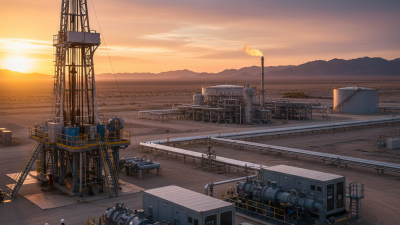
Offshore fields supply roughly 30% of global oil production, making them a significant part of the energy system. The exact share varies by year and by how production is classified. Still, the scale is clear: output from deepwater platforms and shallow coastal fields helps balance supply when mature onshore basins decline. That is substantial.
For global buyers, offshore capacity can broaden sourcing options and reduce reliance on a small number of producing regions. But access depends on more than reserves. Buyers need to assess shipping routes, port capacity, production reliability, and the time required to repair equipment far from shore. A storm-driven delay can affect deliveries even when a field has ample oil underground.
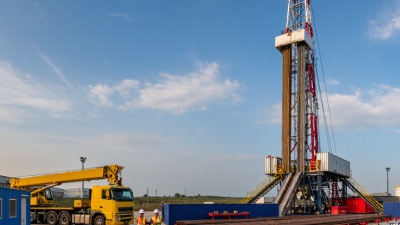
The technology behind that supply includes subsea wells, remotely operated vehicles, and floating production systems. These tools allow work in deep water, where pressure, corrosion, and distance make maintenance demanding. They also require skilled crews and dependable safety procedures. Costs can rise quickly when repairs need specialized vessels. Offshore supply is important, but it is not automatically secure or low-cost; buyers should compare its resilience with other sources and account for uncertainty in production forecasts. One estimate is never the whole picture.
Why Is Offshore Technology Important for Global Buyers? — Offshore Oil’s Strategic Reach: It Supplies Roughly 30% of Global Oil Production
| Dimension |
Data or Industry Reference |
Why It Matters to Global Buyers |
| Share of global oil production |
Offshore sources supply roughly 30% of global oil production. |
This substantial contribution makes offshore production an important part of the world’s overall oil supply mix. |
| Common water-depth bands |
Industry usage commonly describes deepwater as approximately 500–1,500 metres and ultra-deepwater as more than 1,500 metres. Definitions can vary. |
Water depth affects the technologies, vessels, infrastructure, project planning and operating expertise needed to develop a field. |
| Production systems |
Offshore developments may use fixed platforms, floating production systems, subsea wells, or combinations of these systems. |
Different development designs allow production across a range of water depths and field conditions, widening the potential supply base. |
| Subsea technology |
Subsea equipment can connect underwater wells to a platform or floating production facility, sometimes through pipelines and control systems. |
Reliable subsea systems help operators access reservoirs that are distant from shore or impractical to develop with conventional fixed structures. |
| Global operating regions |
Offshore oil production is established in regions including the North Sea, the Gulf of Mexico, offshore Brazil, West Africa and the Persian Gulf. |
Production across multiple regions can diversify supply routes and reduce reliance on a single producing area. |
| Logistics and operating conditions |
Offshore operations rely on marine transport, specialized equipment and coordination across remote facilities; weather and sea conditions can affect work. |
These requirements make dependable technology, maintenance planning and supply-chain resilience important procurement considerations. |
Note: The approximately 30% production share is a broad estimate; the reported figure can vary by year and by how offshore production is classified. Water-depth categories also vary across industry sources.
How Buyers Assess Offshore Systems: Safety, Reliability, Standards, and Lifecycle Cost
Why Is Offshore Technology Important for Global Buyers?
How Buyers Assess Offshore Systems: Safety, Reliability, Standards, and Lifecycle Cost
For global buyers, an offshore system must perform far from quick repairs and easy access. Safety checks should cover the whole operating picture: emergency shutdowns, escape routes, lifting plans, and clear procedures for severe weather. Ask how equipment behaves during a power loss or sensor failure. Small details matter. A well-presented test report is useful, but it should match the installed configuration and include traceable inspection records.
Reliability depends on more than a strong component. Buyers can review corrosion protection, fatigue calculations, spare-part availability, and maintenance access. For example, a valve that requires a specialist vessel to reach may create costly delays. Redundant controls help, but they also need regular testing. No design removes every risk, and forecasts can be wrong; compare stated service life with operating conditions and maintenance assumptions.
Standards provide a shared basis for comparing suppliers, but requirements differ by project and market. Confirm which recognized engineering standards apply, how compliance was assessed, and whether independent inspection records are available. Then estimate lifecycle cost, not just purchase price: include installation, vessel time, energy use, repairs, downtime, upgrades, and eventual removal. An inexpensive system may cost more when offshore access is difficult. Check the assumptions behind every estimate.