2026 Best Offshore Technology Suppliers for Global Buyers
Choosing the right Offshore Technology supplier can shape an entire project’s safety, cost, and long-term performance. Global buyers now compare more than equipment prices. They examine engineering depth, certification, delivery records, cybersecurity, maintenance support, and local service capacity. A reliable supplier should explain how its systems perform in harsh marine conditions, from saltwater corrosion to high winds and remote maintenance challenges.
DNV Group President and CEO Remi Eriksen stated, “The energy transition is not a choice, it is a necessity.” His observation reflects the pressure facing offshore industries. Suppliers must support cleaner operations while maintaining dependable production. This guide reviews leading companies through practical evidence, including technology capability, project experience, quality systems, and after-sales responsiveness. Product brochures are useful, but they are not enough.
Real performance matters more.
A buyer may need subsea sensors that remain accurate under pressure, turbines designed for turbulent seas, or digital platforms that detect faults before a vessel is dispatched. These details can separate an experienced partner from an attractive but unproven vendor. Still, no ranking is perfect. Market conditions change, regional regulations differ, and supplier data may not always be equally transparent. Buyers should verify references, inspect certifications, and request performance records before signing contracts.
This overview aims to make that process clearer. It focuses on credible suppliers with international reach, technical expertise, and practical support for global projects. Some companies may excel in innovation but lack regional service coverage. Others may offer strong reliability at a higher initial cost. That trade-off deserves careful thought.

What Offshore Technology Suppliers Are and Why They Matter in 2026
Offshore technology suppliers provide the equipment, software, and specialist services used in marine energy and offshore industrial operations. Their work may include subsea sensors, remote monitoring systems, power equipment, robotics, and digital maintenance tools. These suppliers connect engineering design with difficult working conditions, including saltwater, strong winds, vibration, and limited access. Small details count.
In 2026, global buyers need more than attractive product specifications. They need evidence from factory acceptance tests, field installations, maintenance records, and documented service procedures. A reliable supplier explains how its equipment performs after months of exposure, not only during a controlled demonstration. It also supports interoperability, cybersecurity, emissions tracking, and predictive maintenance. Clear technical documents make international cooperation safer and faster.
Choosing a supplier still requires careful judgment. Digital twins and artificial intelligence can improve fault detection, but they cannot replace experienced technicians or honest data. Some suppliers may promise seamless integration while overlooking older equipment already installed offshore. That gap can create unexpected costs. Buyers should examine response times, spare-parts planning, training quality, and independent inspection results. Risk remains. A practical supplier admits technical limits, records failed tests, and improves its design after real operating feedback. That kind of transparency often matters more than a polished sales presentation.
Key Offshore Technology Categories for Global Buyers
2026 Best Offshore Technology Suppliers for Global Buyers
Global offshore buyers need technology categories that match water depth, weather, vessel access, and local regulations. Subsea inspection systems remain essential for pipelines, risers, foundations, and underwater structures. Remotely operated vehicles can capture visual evidence without exposing divers to unnecessary risk. Buyers should examine camera quality, navigation accuracy, operating depth, and data export options.
Offshore energy projects also depend on floating production systems, offshore wind equipment, and marine power management. Condition monitoring sensors can track vibration, pressure, temperature, and corrosion in near real time.
Digital platforms become more useful when they connect sensor data with maintenance schedules and inspection records. However, a polished dashboard does not guarantee reliable decisions. Data gaps still appear during storms, outages, and equipment upgrades.
Safety and communication technologies deserve equal attention.
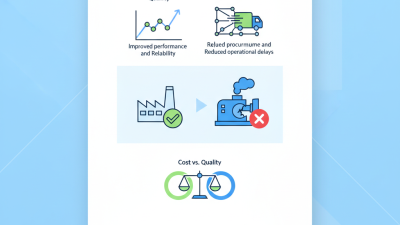
Buyers should assess emergency systems, weather monitoring, secure connectivity, and crew training support. Suppliers with documented testing, transparent service procedures, and regional maintenance teams offer stronger long-term value. Certification records should be checked against the target market’s requirements, not copied from another project. Practical trials are valuable. A small pilot may reveal installation problems that a tender document hides. My earlier preference for the most advanced system changed after seeing maintenance teams struggle with complex interfaces. Simpler equipment can perform better when crews work under pressure. Cost comparisons should include spare parts, training, software updates, and downtime, because the cheapest quotation is rarely the complete cost.
Leading Supplier Regions and Market Characteristics
2026 Best Offshore Technology Suppliers for Global Buyers
Offshore technology suppliers are shaped by regional strengths, not only by factory price. East Asian markets often provide dense electronics networks, rapid prototyping, and competitive production. They support sensors, control cabinets, communications equipment, and subsea components. Northern European suppliers commonly emphasize certification, harsh-weather testing, energy efficiency, and long service agreements. North American suppliers often combine advanced engineering with software, remote monitoring, and specialist integration.
The Gulf region is developing strong capabilities in marine infrastructure, fabrication, and project coordination. Its location can support shorter delivery routes into nearby energy and construction markets. However, service quality may vary between established engineering teams and newer workshops. Buyers should examine technician training, spare-parts storage, and response times at remote sites. A low quoted price can become expensive when a replacement module waits six weeks at a port.
Supplier regions also differ in communication style and customization practices. Some factories quickly adjust drawings but offer limited field support. Others provide detailed documentation, testing records, and commissioning engineers, yet require longer lead times. Global buyers should compare factory audits, prototype performance, cybersecurity controls, and after-sales coverage. Ask for evidence from similar offshore conditions, including salt exposure, vibration, temperature changes, and unstable connectivity. A supplier may pass a factory audit but still struggle during nighttime maintenance offshore. That gap deserves honest attention.
2026 Best Offshore Technology Suppliers for Global Buyers
Leading supplier regions and market characteristics based on cumulative offshore wind capacity installed by the end of 2023.
East Asia: The largest installation base, supported by strong domestic demand, large-scale manufacturing, and rapid project deployment.
Northwest Europe: Mature markets with advanced offshore engineering, strict certification requirements, and established installation capabilities.
Global buyer focus: Evaluate suppliers by proven project delivery, turbine and foundation compatibility, marine logistics, grid integration, and local-content capability.
Source: GWEC Global Offshore Wind Report 2024 and WindEurope offshore wind market statistics. Figures are rounded estimates for installed offshore wind capacity at year-end 2023.
Procurement, Compliance, and Risk Management Considerations
For global buyers, offshore technology procurement should begin with evidence, not attractive specifications. UNCTAD’s Review of Maritime Transport 2024 reports that maritime trade grew by 2.4% in 2023, while route disruptions increased distance, freight exposure, and delivery uncertainty. Buyers should compare total landed cost, spare-parts access, warranty response, and installation capability. A low purchase price can hide expensive downtime.
Compliance must be tested before contract signing. Request verified ownership details, product classifications, quality certificates, cybersecurity controls, and documented labor practices. Screen every transaction against applicable export controls, sanctions requirements, environmental rules, and customs obligations. The World Bank’s Logistics Performance Index 2023 shows a persistent gap between the fastest and slowest supply chains. That gap makes traceable documentation and local clearance expertise commercially important.
Risk controls should continue after delivery. Use milestone payments, factory acceptance tests, serial-number records, and independent inspection for critical equipment. Store calibration results and software versions in a controlled repository. The International Energy Agency’s World Energy Outlook 2024 highlights continuing infrastructure investment and supply-chain pressure during the energy transition, increasing demand for dependable technical support. Yet no checklist is perfect. A supplier may pass an audit and still fail under schedule pressure. Quarterly reviews, realistic emergency drills, and clear escalation contacts reveal those weaknesses early.