What is Logistics Engineering and Why is it Essential for Modern Supply Chains?
In the rapidly evolving landscape of modern supply chains, "Logistics Engineering" plays a pivotal role. According to Dr. Emily Francis, a leading expert in the field, “Logistics Engineering is the backbone of efficient supply chain management.” This highlights its critical importance in optimizing processes, reducing costs, and improving customer satisfaction.
Logistics Engineering encompasses the design, analysis, and improvement of logistical systems. These systems control the flow of goods, services, and information. An effective logistics strategy can enhance responsiveness and flexibility. Yet, many organizations struggle to fully implement these principles. They may face challenges in technology integration or resource allocation. This can lead to inefficiencies that hinder growth.
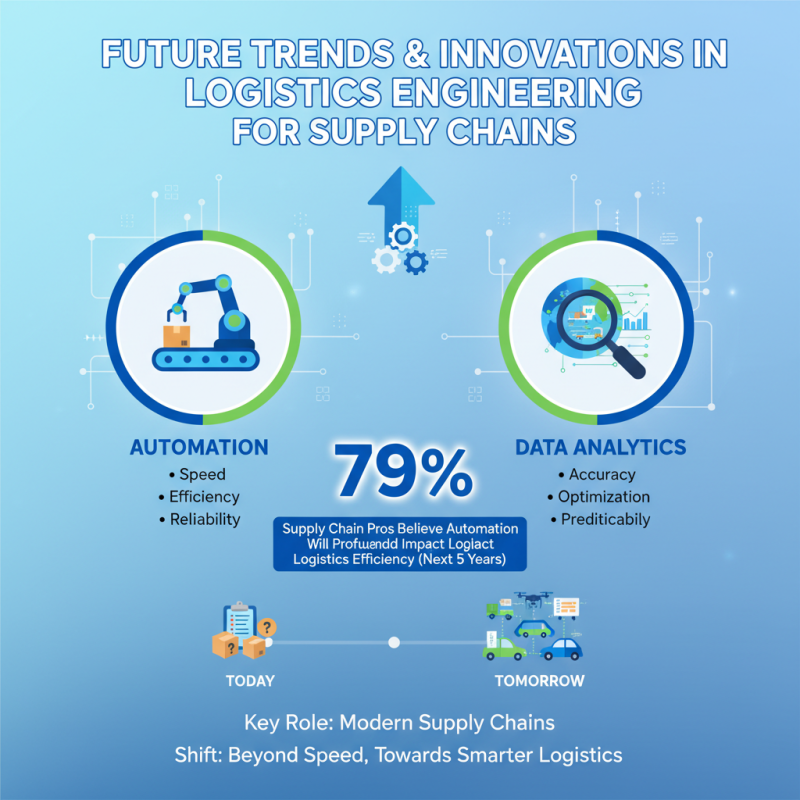
The future of logistics relies on innovative engineering solutions. These solutions must adapt to changing consumer demands and increasing complexities. Investing in Logistics Engineering is essential for businesses aiming to thrive in competitive environments. Without this focus, companies jeopardize their operational effectiveness and market position.

Definition and Scope of Logistics Engineering in Supply Chain Management
Logistics engineering plays a vital role in supply chain management. It focuses on the efficient movement and storage of goods. This discipline emphasizes planning, implementing, and controlling logistical operations. It blends traditional engineering techniques with supply chain expertise.
The scope of logistics engineering includes various activities. These activities range from transportation and warehousing to inventory management and distribution. Each function needs precise coordination. Data analysis helps in optimizing routes and reducing costs. However, many organizations still struggle with real-time data integration. This gap can lead to inefficiencies and delays.
Furthermore, logistics engineers focus on process improvement. They apply methodologies like Lean and Six Sigma. These approaches aim to eliminate waste and enhance productivity. Yet, challenges remain. Resistance to change within organizations can hinder progress. As the supply chain landscape evolves, ongoing education is crucial. Mastering new technologies and practices will be essential for future success.
Key Components and Processes of Logistics Engineering
Logistics engineering plays a crucial role in today's supply chains. It focuses on
optimizing processes and resources. The goal is to enhance efficiency while reducing costs. Key components include
inventory management,
transportation, and
warehousing. Each component must be coordinated to achieve effectiveness.
Inventory management is vital. It ensures the right amount of stock is maintained.
Too much inventory ties up capital;
too little leads to stockouts. Transport planning comes next.
Routes must be efficient, considering costs and delivery times. Warehousing is also important.
The layout affects the flow of goods.
Poor design can create bottlenecks.
Data analysis is integral to logistics engineering. Companies need
to collect and analyze data to make informed decisions. However, relying solely on data can be risky.
Human insight is often needed to interpret complex situations.
Logistics is never perfect. Continuous improvement is necessary
to adapt to changing demands. Engaging with all stakeholders can uncover challenges and solutions.
Importance of Logistics Engineering in Enhancing Supply Chain Efficiency
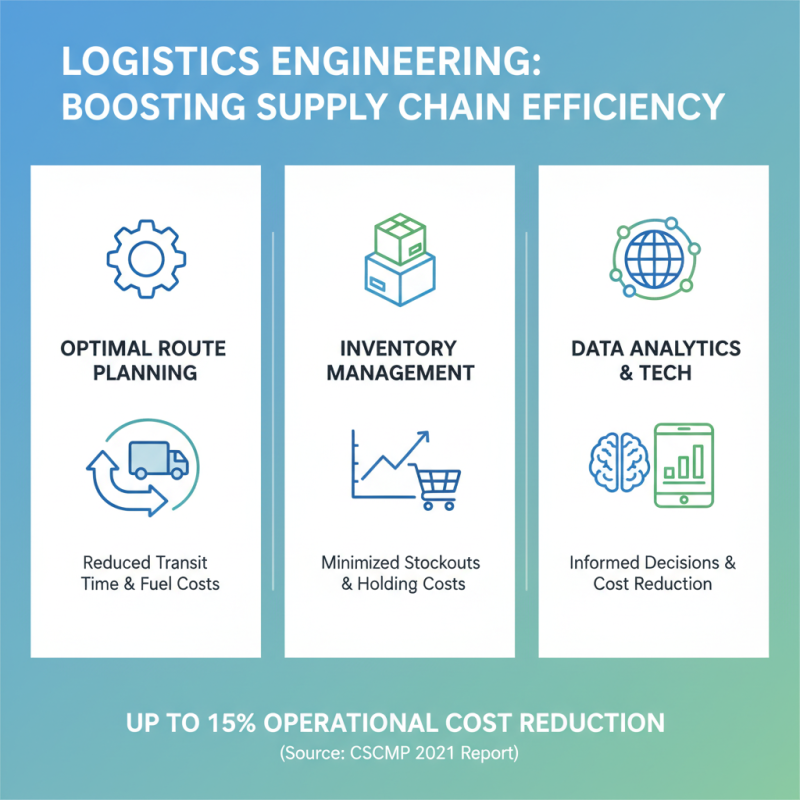
Logistics engineering plays a crucial role in modern supply chains. It enhances efficiency through optimal route planning and inventory management. By utilizing advanced technologies, logistics engineers can analyze complex data sets. This allows for better decision-making and cost reduction. According to a 2021 report by the Council of Supply Chain Management Professionals, companies employing effective logistics strategies reduced operational costs by up to 15%.
Supply chain efficiency is also affected by responsive demand forecasting. Accurate forecasts minimize excess inventory and stockouts. A study from the Harvard Business Review highlights that organizations with robust logistics engineering practices can improve forecast accuracy by 30%. This leads to streamlined operations and increased customer satisfaction. Emphasizing continuous improvement, companies must reassess their logistics strategies regularly.
However, the industry faces challenges. Data quality remains a significant concern, impacting analysis and decision-making. Additionally, keeping up with technological advancements can be overwhelming. Firms sometimes struggle with integrating new systems while maintaining current operations. As the logistics landscape evolves, reflection on these issues will be essential for future success in supply chain management.
Challenges Faced in Modern Logistics Engineering Practices
Logistics engineering faces numerous challenges in today's ever-evolving landscape. One major issue is data integration. Companies use various software systems, leading to fragmented information. This discrepancy can hinder decision-making and efficiency. Effective solutions require robust data-sharing protocols.
Next, there is the complexity of transportation networks. Urbanization complicates routes, causing delays and increased costs. Engineers must analyze traffic patterns and optimize delivery times. It requires constant adaptation and innovative thinking to keep pace with these demands.
Another challenge is workforce management. The logistics sector often battles high turnover rates. Training new employees is time-consuming and costly. Furthermore, worker shortages can lead to operational disruptions. Companies must prioritize employee retention and invest in robust training programs for sustained success.
Logistics Engineering Challenges in Modern Supply Chains