How to Choose Check Valves in 2026
Choosing Check Valves in 2026 is not a catalog exercise. The right design depends on fluid, flow range, pressure, temperature, installation position, and the consequences of reverse flow. A swing check valve may suit a clean, steady pipeline; a spring-assisted design may help limit slam in a faster-closing system. Neither is automatically right. Small details matter, including clearance for a swinging disc and access for maintenance.
Infrastructure investment makes dependable component selection increasingly important. The U.S. Environmental Protection Agency’s 2023 Drinking Water Infrastructure Needs Survey and Assessment estimated $625 billion in drinking water infrastructure needs over 20 years. That figure is not a valve-market forecast, but it signals the scale of work facing water systems. For technical checks, engineers can consult applicable standards, including API 594 for check valves and ASME B16.34 for valve design and pressure-temperature ratings. Standards help define requirements; they do not replace project-specific review.
This guide explains how to compare Check Valves by operating conditions, valve type, materials, pressure rating, and maintenance needs. It also considers water hammer, installation constraints, and supplier documentation. Ask for test records and clear performance data, not just a low purchase price. There is no universal best valve. Real systems are imperfect, and the available operating data may be incomplete. A careful selection process makes those uncertainties visible before they become costly failures.
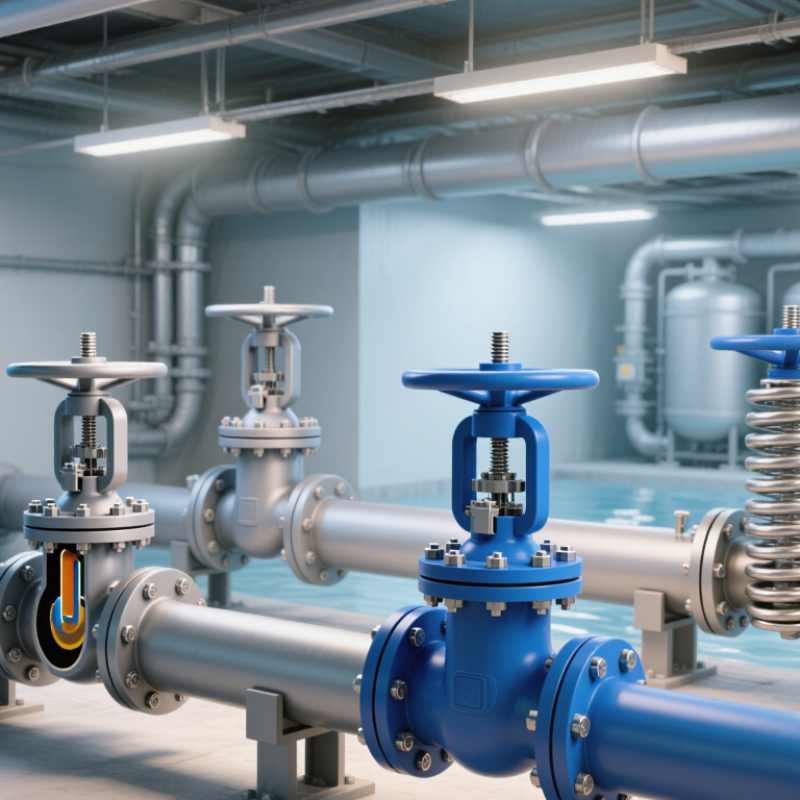
Understanding How Check Valves Prevent Reverse Flow
Check valves allow fluid to move in one direction and limit reverse flow when pressure changes. In a water line, forward pressure lifts a disc or ball from its seat. If pressure falls or reverses, the moving part returns to the seat. That matters. It can help protect pumps, reduce backflow, and keep a filled pipe from draining unexpectedly.
Choosing a valve in 2026 still starts with the actual system, not a catalog label. Compare the valve’s flow capacity and cracking pressure with the pump’s operating range. A valve that needs too much pressure to open can restrict flow. One that closes slowly may allow reverse flow to build before sealing. Swing, lift, and spring-assisted designs respond differently, so installation orientation and flow conditions matter. The choice is not always tidy.
Check the fluid, temperature, pressure, pipe size, and likelihood of debris. A small piece of grit on the seat can cause leakage, even when the valve is correctly selected. Ask for pressure-drop and closure information, and verify the recommended mounting position. If reverse flow could damage equipment, consider water hammer and inspect the valve during maintenance. A check valve is not a substitute for an isolation valve, and its seat should not be assumed leak-tight without supporting specifications.
Defining System Conditions and Performance Requirements
Start with the actual duty, not the valve size. Record the fluid, temperature, normal and peak pressures, flow range, and pipe orientation. Note whether the line carries gas, clean water, viscous liquid, or suspended solids. A valve that works in a steady water line may chatter in a pulsating pump discharge. That sound matters: repeated slamming can damage seats and connected pipework. Include startup, shutdown, and likely reverse-flow conditions in the design review.
Then define measurable performance limits. Specify acceptable pressure drop, cracking pressure, reverse leakage, closure speed, and maintenance access. Check pressure and temperature ratings against the system’s real operating envelope, not just its usual setpoint. The U.S. Department of Energy’s Improving Pumping System Performance sourcebook reports that pumping systems use nearly 20% of global electricity demand. That figure is not a check-valve efficiency rating, but it shows why unnecessary resistance deserves attention. I would not pretend one number settles the choice. Compare candidate valves under the expected flow range, and verify transient behavior with the pump and piping data. A small detail is easy to miss: installation orientation can change how some designs close. If the operating profile is uncertain, document that uncertainty before final selection.
Comparing Check Valve Types for Different Applications
How to Choose Check Valves in 2026
Comparing Check Valve Types for Different Applications
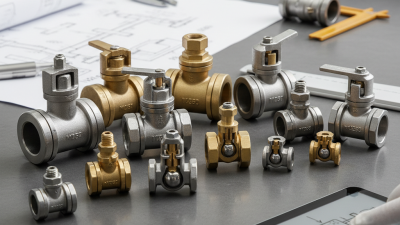
Check valve choice depends on flow, installation angle, fluid condition, and the cost of reverse flow. A swing check valve suits many clean-water lines, where low pressure loss matters. But slow-closing designs can slam shut when flow reverses quickly. A spring-assisted axial valve often closes faster, though its spring adds resistance. Small detail. It matters.
For vertical piping or limited space, a wafer-style dual-plate valve can be practical. Its compact body reduces installation demands, but debris may hinder plate movement. In wastewater or slurry service, a larger passage and accessible maintenance may outweigh compactness. The U.S. Department of Energy’s 2014 Improving Motor and Drive System Performance sourcebook reports that motor-driven systems use about 69% of electricity in U.S. manufacturing. That figure covers many systems, not check valves alone. Still, unnecessary pressure loss deserves attention.
Match the valve’s pressure class and materials to actual operating conditions, not just the pipe size. Review cracking pressure, flow direction, expected cycling, and water-hammer risk with the system designer. Standards such as API 594 describe common check-valve configurations, but they do not replace application-specific review. I have seen selections look sound on a drawing, then behave poorly after installation. A little humility helps.
Verifying Installation, Maintenance, and 2026 Compliance Needs
In 2026, choosing a check valve is only part of the job; installation determines whether it protects the system. Confirm the flow arrow against the actual direction, then check whether the valve permits horizontal or vertical mounting. Support nearby pipework so the valve body does not carry misalignment or vibration. Small details matter. Debris left after flushing can hold a disc open and create unnoticed reverse flow.
Before startup, verify pressure and temperature ratings against operating conditions, including brief surges. Use the specified gasket, bolt pattern, and tightening sequence; uneven compression can cause leaks. Leave room for inspection and removal, especially where the valve sits between flanges or above a ceiling. Keep records. Note the installed orientation, test results, and any adjustments rather than relying on memory.
Set maintenance intervals according to service severity, cycling frequency, and fluid cleanliness, not a calendar alone. A fixed schedule may look tidy but miss rapid wear in demanding service. During planned isolation, confirm the line is safely depressurized, then inspect sealing surfaces, hinge or spring movement, and corrosion. After reassembly, test forward opening and reverse sealing under controlled conditions. Check current 2026 codes, project specifications, and inspection rules with a qualified engineer or the relevant authority; requirements vary by application and location.
Check Valve Installation & Testing: API 598 Shell-Test Durations
API 598 specifies minimum shell-test durations that increase with valve size. These values are a testing reference—not a complete compliance checklist. For 2026 projects, confirm the applicable API 598 edition, governing jurisdiction, project specifications, and the valve manufacturer's instructions. Inspection and maintenance intervals should be based on service conditions and applicable requirements.