What Are the Best Technical Reporting Services in China?
Choosing the best technical reporting services in China depends on what a report must demonstrate, not just its price. A manufacturer may need a test report for a new component, while an engineering team may need a failure analysis with photographs, measurements, and a clear account of test conditions. Technical Reporting can support decisions only when its methods and evidence are easy to verify.
Details matter. A reliable provider should explain its relevant technical experience, test methods, equipment, and quality controls before work begins. Ask whether any claimed accreditation applies to the specific service and scope you need. Check a sample report for dated results, traceable measurements, defined units, and conclusions that match the evidence. If your team works across languages, confirm who translates technical terms and how revisions are handled. Small wording errors can change a specification.
The best choice is therefore specific to the project. Compare providers using the same brief, sample requirements, delivery schedule, and questions about data handling. Confirm whether the service covers laboratory testing, document preparation, inspection, or only part of the process. These are not interchangeable. A polished sample can still leave important questions unanswered, and a low quote may omit useful checks. I would treat provider claims as a starting point, not proof. No checklist removes every risk. A careful review of scope, evidence, and communication can help buyers select a service that fits their technical needs and supports decisions with clear, dependable reporting.
What Technical Reporting Services in China Provide
Technical reporting services in China help companies turn test results, inspections, and engineering records into practical decisions. They may cover product testing, material analysis, reliability checks, factory process reviews, and environmental measurements. A report should identify the sample, test method, equipment, measured values, and limits that affect interpretation. Good documentation. For example, a component report might include dimensions in millimeters, load results, photographs of fractures, and calibration references. These details help engineers compare prototypes and trace changes in production. Some providers also offer standards mapping and bilingual technical writing, helping local teams and overseas partners review findings.
Service scope varies. Some providers collect samples on-site, while others test customer-supplied specimens; confirm the process before scheduling. Ask how samples are sealed, stored, and tracked. Reports are only as useful as their scope. If a method does not reflect the product’s actual use, precise numbers can still mislead. Documentation gaps can become the slowest part of a project, even when testing is straightforward. Small omissions matter. Request raw data, uncertainty notes, and plain-language explanations for failed or borderline results, not just a pass/fail label.
What Technical Reporting Services in China Provide
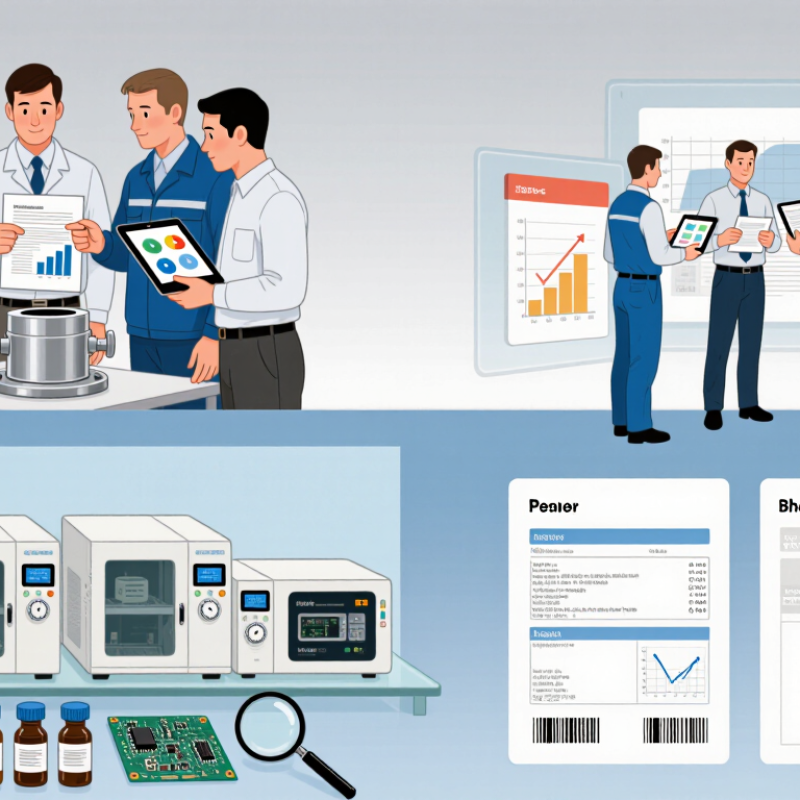
A typical technical reporting engagement moves from defining the requirements to delivering evidence-based findings and recommendations.
The numbers show workflow order only; they are not market shares, provider rankings, or measured performance data. Specific services vary by project and industry.
How Technical Reporting Services Are Evaluated
Evaluating technical reporting services in China starts with the decision the report must support. A supplier audit, equipment review, and market scan need different evidence. Ask how analysts verify measurements, date sources, and separate observed facts from estimates. Details matter.
Strong teams explain their method before quoting a deadline. Request a sample with identifying details removed. Check whether tables show units, test conditions, and source dates. For China-focused work, assess local terminology, regional coverage, and how Chinese-language sources are compared with English-language findings. Translation alone is not analysis.
Score consistency, not polish alone. Can another reviewer trace a key claim to a document, interview note, or measurement record? Clarify revision rounds, data handling, and how conflicting evidence is reported. A neat report may still hide uncertainty; ask for limitations to be stated plainly. One weakness in any scorecard: it can reward tidy formatting over careful analysis.
Major Types of Technical Reporting Providers in China
China’s technical reporting providers generally fall into several practical categories. Independent testing laboratories measure performance, materials, safety, or environmental indicators and issue reports based on defined test methods. Their work may include instrument readings, sample photographs, and records of test conditions. Ask whether the report covers your exact product and intended use.
Inspection and certification bodies assess whether products or processes meet specified requirements. They may review factory records, inspect production lines, or coordinate testing before issuing findings. Engineering consultancies take a broader role, interpreting results and recommending design or process changes. Useful details matter. A report that identifies a failed component and its operating conditions is more actionable than a page of unexplained figures.
Technical documentation and localization firms prepare manuals, specifications, and bilingual reports for different audiences. They can improve clarity, but translation alone does not validate technical claims. Some companies combine these services, which can simplify coordination; still, check who performed each test and who reviewed the conclusions. No provider type is perfect. Even a polished report may leave gaps if the scope, sample size, or measurement uncertainty is unclear. Before engaging a provider, request a sample report, confirm staff qualifications, and agree on deliverables, timelines, and data handling in writing.
Comparing Services by Industry, Scope, and Expertise
China’s technical reporting services are not interchangeable: a factory audit, battery test dossier, and software validation report require different evidence. The International Energy Agency’s Global EV Outlook 2024 says China accounted for nearly 60% of global electric-car sales in 2023. That scale makes automotive reports depend on traceable test conditions, component records, and consistent terminology—not just polished translation. The stakes differ. Machinery and electronics projects may need inspection records and failure analysis; medical and chemical work often requires validated methods and controlled document histories. Look for industry experience in sample reports and relevant technical qualifications, not broad claims.
Scope matters too. Some providers handle translation or formatting; others coordinate laboratory testing, standards mapping, engineering review, and corrective-action reports. IRENA’s Renewable Capacity Statistics 2024 records 297.6 GW of renewable capacity added in China during 2023, illustrating the scale of data energy projects may involve. Ask whether a field measurement can be traced to its instrument, calibration status, location, and revision history. For cross-industry work, check how the service handles confidential drawings and uncertain findings. A neat report can still hide weak sampling. Easy to miss. Compare deliverables, sector expertise, and review procedures before fees; a low-cost scope may omit evidence your audit needs.
How to Select and Verify a Reporting Service Provider
When choosing a technical reporting service in China, match its experience to the specific work. A provider familiar with your product or process is more likely to understand relevant test methods and reporting needs. Ask who performs the work, which instruments are used, and how results are reviewed. Request a sample report with sensitive details removed. Check whether its format clearly identifies methods, units, limitations, and the person responsible for approval. Small details matter.
Verify credentials independently, and confirm that their scope covers your exact service—not just a related field. Contact the issuing organization using details found on its own website, rather than relying only on a certificate supplied by the provider. Ask how equipment calibration, sample identification, data corrections, and record retention are handled. Compare quoted timelines and fees with the actual deliverables; a low price may exclude revisions or supporting data. I would not treat a polished sample as proof of reliable work. It is only one clue. A missed handoff or vague method can weaken an otherwise sound report, so ask how the provider documents exceptions and communicates delays. Be specific, and keep the answers in writing.