Why Use a Modbus Converter for Industrial Automation?
Industrial automation rarely runs on one communication language. A plant may connect an older RS-485 energy meter to a modern Ethernet PLC. Nearby, a variable-frequency drive may still use Modbus RTU. These mixed environments create practical gaps. A Modbus Converter bridges them, translating signals between serial and network-based systems. It can help operators retain reliable equipment instead of replacing functioning devices. That choice often reduces downtime, rewiring, and commissioning pressure. Small device. Real impact.
In a working control cabinet, the converter receives RTU frames, interprets addressing, and forwards data through Modbus TCP. Good models support electrical isolation, stable baud-rate settings, and clear status indicators. Those details matter when a motor starts, cable noise increases, or a technician checks faults at 2 a.m. Engineers should verify baud rate, parity, slave limits, response timing, and connector pinouts before installation. Vendor manuals and tested network drawings remain more trustworthy than assumptions. A converter does not repair damaged cable. It cannot correct duplicate addresses. That is the uncomfortable part.
The strongest reason to use a Modbus Converter is controlled integration. It can connect legacy sensors with SCADA, PLC, or historian platforms while preserving familiar field devices. With proper diagnostics, teams gain clearer visibility into alarms, temperatures, energy use, and machine status. However, performance depends on grounding, termination, network load, and configuration quality. Even experienced teams can overlook one setting. Site testing is essential. A careful trial with real traffic reveals weaknesses before production depends on the link. This article examines where converters add value, where they disappoint, and how informed selection supports dependable industrial automation.
What Is a Modbus Converter in Industrial Automation?
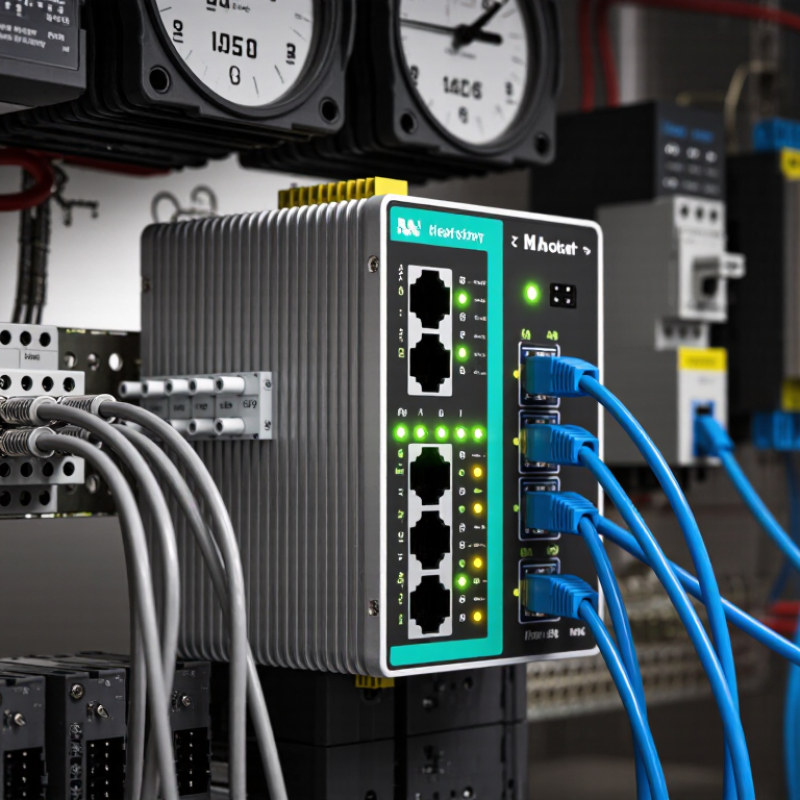
A Modbus converter is a hardware device that translates data between different Modbus interfaces or protocols. A common example connects Modbus RTU over RS-485 with Modbus TCP over Ethernet. It allows older field instruments to communicate with modern control systems without replacing every device.
Inside an industrial cabinet, the converter receives a serial request, interprets its address and function code, then sends the message through an Ethernet network. It can also manage baud rate, parity, timeout, and communication isolation. This makes the converter useful when sensors, meters, drives, and supervisory software use different connections. Proper configuration matters. A small mismatch in node address or parity can stop communication completely. Field technicians often check termination resistors and cable polarity before blaming the converter.
Tips: Confirm the protocol on both sides. Record each device address. Use shielded, correctly terminated wiring where required. Test one device before expanding the network. Do not assume every converter supports every Modbus function. Some support only common read and write commands. That limitation is easy to miss.
In practice, conversion is not always plug-and-play. Electrical noise, duplicate addresses, and unstable power can create intermittent faults. A converter may reveal these problems rather than cause them. Keep a configuration record, and inspect diagnostic logs during commissioning. The setup may still need refinement. Reliability comes from checking the entire communication path, not only the converter.
How Modbus Converters Connect Different Communication Protocols
Why Use a Modbus Converter for Industrial Automation?
How Modbus Converters Connect Different Communication Protocols
Industrial equipment often speaks different communication languages. A PLC may use Modbus RTU through RS-485, while a monitoring system expects Modbus TCP over Ethernet. A Modbus converter translates these messages between networks. It preserves register addresses, function codes, and data values during transmission.
In field commissioning, the physical connection is only one part of the job. Technicians must match baud rate, parity, stop bits, slave addresses, and Ethernet settings. A mismatch can look like a failed device. It may only be a configuration error. Careful testing with one device first usually reveals the problem faster.
Converters can also connect Modbus with protocols such as CAN or PROFIBUS, depending on the model. Good units provide electrical isolation, diagnostic indicators, and stable buffering. Isolation matters near motors, variable-frequency drives, and long cable runs. It reduces the risk of noise damaging communication equipment.
The mapping deserves attention. One system may store temperature at register 40001, while another expects a different address format. Some devices also reverse word order for 32-bit values. Small details create confusing readings. A practical test compares live values with a calibrated meter and records response times.
A converter is not magic.
It can translate protocols, but it cannot repair poor wiring, unclear data definitions, or overloaded networks. Engineers should document every setting and retest after changes. That discipline often prevents a minor communication issue from becoming a costly production interruption.
How Modbus Converters Support Reliable Industrial Data Exchange
Why Use a Modbus Converter for Industrial Automation?
Reliable industrial data exchange depends on more than connecting two devices. A Modbus converter translates signals between legacy serial equipment and modern Ethernet networks. This allows PLCs, meters, drives, and sensors to share operating data without immediate replacement. A 2024 industrial network market survey reported Ethernet-based systems represented about 71% of new industrial connections, while traditional fieldbus systems remained significant. Converters help bridge both environments. They can reduce downtime, protect existing investments, and simplify phased upgrades.
In real installations, reliability comes from disciplined configuration. A converter should support stable baud rates, accurate addressing, electrical isolation, and clear diagnostic information. NIST guidance on operational technology security stresses segmentation, controlled access, and monitoring. These practices matter when temperature values, alarms, or motor status move across several network layers. However, a converter cannot correct poor grounding or faulty wiring. I have seen clean software settings fail because a cable shield was incorrectly terminated. That detail is easy to miss.
Tips: Confirm Modbus RTU and TCP settings before commissioning. Check slave addresses, parity, termination, and timeout values. Record normal response times. Test during peak equipment activity, not only in a quiet workshop. Keep a readable wiring diagram near the control panel. Review logs regularly, because intermittent errors often appear before complete communication loss. Be cautious with “plug-and-play” assumptions; industrial networks rarely behave perfectly.
Why Use a Modbus Converter for Industrial Automation?
Modbus converters connect Modbus Rtu Devices on serial networks with Modbus TCP systems over Ethernet. The chart shows the theoretical one-way transmission time for an 8-byte Modbus RTU frame at common baud rates using 8N1 serial framing. Faster communication reduces transmission delay, while the converter maintains protocol compatibility between different network layers.
Calculation basis: 8 bytes × 10 serial bits per byte ÷ baud rate. Values exclude device processing time, network turnaround time, and the Modbus RTU silent interval between frames.
Key Factors for Selecting a Modbus Converter for Automation Systems
Selecting a Modbus converter requires more than matching two connectors. The converter must support the exact Modbus mode, such as RTU or TCP, plus baud rate, parity, and slave addressing. HMS Networks’ Industrial Network Market Shares 2024 report found Ethernet represented 71% of new industrial network installations. This trend makes protocol conversion increasingly important in mixed systems. A converter should also provide stable TCP communication, low latency, and clear diagnostic logs.
Electrical conditions matter just as much. Choose galvanic isolation when long cables, variable-frequency drives, or ground differences may create noise. Check the operating temperature, EMC performance, enclosure rating, and mounting method. Field engineers should also verify packet handling during network recovery. A device that works in a clean test cabinet may fail beside a motor drive. That gap is easy to underestimate. Deloitte’s 2024 Smart Manufacturing and Operations Survey reported that 92% of manufacturers view smart manufacturing as a major competitiveness driver. Reliable data conversion supports that goal, but it cannot repair poor network design.
Tips: Test the converter with real PLC traffic, not only a simulator. Confirm automatic baud detection, watchdog behavior, and configuration backup. Review cybersecurity controls, firmware support, and available technical documentation. A low-cost converter may pass today’s test, yet create maintenance problems later. I would also leave spare ports and power capacity for future devices. Planning for expansion is not always elegant, but ignoring it is usually more expensive.