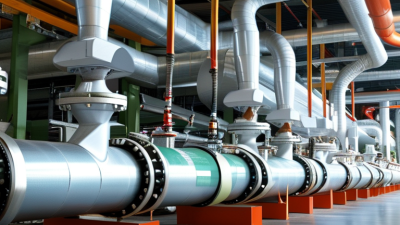
Butterfly Valves are widely used in piping systems because they combine compact design, fast operation, and practical flow control. A quarter-turn actuator can move the disc from fully open to closed within seconds. This matters in water-treatment plants, cooling lines, fire-protection networks, and process facilities where space and response time are limited. Their wafer and lug configurations also fit between pipe flanges with less material than many traditional valve designs.
The U.S. Department of Energy reports that pumping systems may consume 25% to 50% of electricity in some industrial facilities. Efficient valve selection can therefore support broader energy-management goals, although a valve alone cannot solve poor system design. A partially closed butterfly valve creates pressure loss. Engineers must check flow velocity, cavitation risk, torque, and actuator sizing before installation. That step is often underestimated.
Technical requirements also guide reliable selection. API 609 covers butterfly valves used in general and special service applications, while MSS SP-67 addresses butterfly valve design and performance requirements. Industry analyses from MarketsandMarkets identify water and wastewater treatment as major demand sectors, reflecting the valve’s suitability for large-diameter, low-pressure pipelines. Field experience adds another lesson: resilient-seated valves may suit clean water, while lined or high-performance designs may better handle chemicals, temperature, or abrasive media. Conditions vary. No universal choice exists. A well-selected Butterfly Valves solution should match the medium, pressure class, operating frequency, maintenance plan, and applicable local standards. Even a small installation detail, such as incorrect flange alignment, can shorten service life.
Why Are Butterfly Valves Used in Piping Systems?
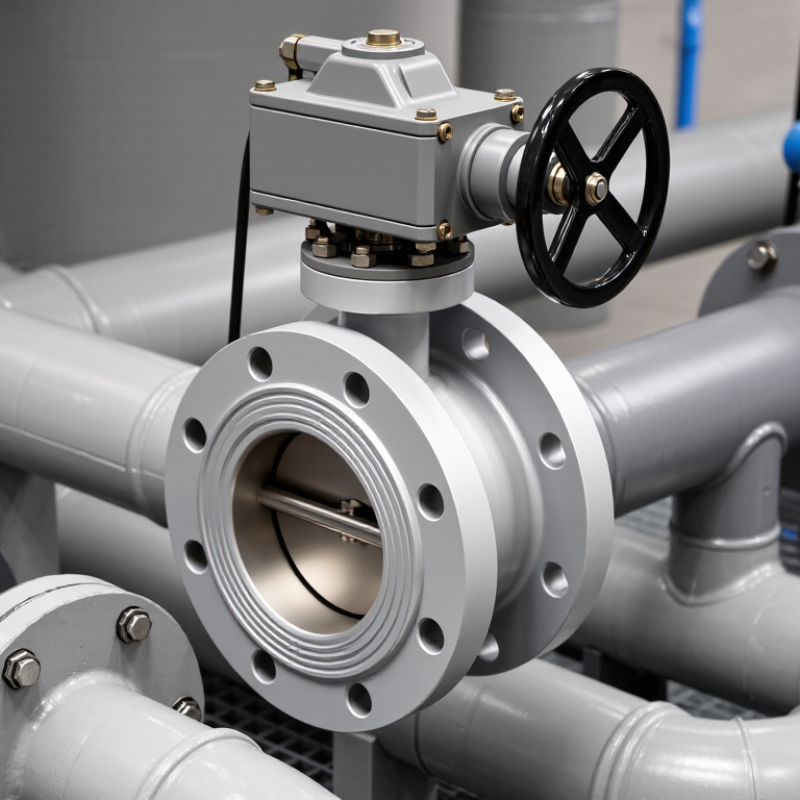
A butterfly valve uses a circular disc mounted on a rotating shaft. Turning the shaft by 90 degrees moves the disc from open to closed. The disc aligns with the pipe, allowing fluid to pass with limited obstruction. It then turns across the flow and creates a shutoff barrier.
This design is compact, lightweight, and quick to operate. It usually needs less installation space than a gate valve. Its lower material demand can also reduce handling effort and project costs. Grand View Research’s 2024 industrial valves analysis valued the global market at about 78 billion U.S. dollars in 2023. That scale reflects continuing demand across water, chemical, energy, and process facilities. However, a butterfly valve is not ideal for every service. High pressure, abrasive solids, or strict throttling control can expose its limits. That detail is often overlooked.
Tips: Check pressure, temperature, fluid chemistry, and seat compatibility before selection. For reliable sizing, compare the valve’s pressure rating with API 609 requirements and the system’s actual operating conditions. In the field, inspect disc clearance carefully. A small misalignment can cause leakage, vibration, or premature seat wear. A neat specification sheet helps, but measured pipe conditions matter more.
| Data Dimension | Typical Data or Description | Why It Matters in Piping Systems |
|---|---|---|
| Basic Definition | A butterfly valve is a quarter-turn rotary valve that uses a circular disc mounted on a central or offset shaft to control fluid flow. | Its compact design provides a practical method for isolating or regulating flow in water, air, gas, chemical, and many industrial piping services. |
| Operating Principle | The disc rotates through approximately 90 degrees. The disc is generally parallel to the pipeline when open and perpendicular to the pipeline when closed. | A short rotational movement allows fast operation compared with multi-turn valves and makes the valve suitable for manual, pneumatic, electric, or hydraulic actuation. |
| Flow Control Positions | Fully open, fully closed, or partially open for throttling. The exact flow characteristic depends on the disc profile, seat design, and valve size. | Butterfly valves can provide both shut-off and general flow adjustment, although they are not normally selected where highly precise flow control is required. |
| Common Valve Types | Concentric, double-offset, and triple-offset butterfly valves. | Concentric designs are common for general services. Offset designs reduce seat friction and are often selected for higher pressure, higher temperature, or more demanding duty. |
| Typical Size Range | Commonly manufactured from approximately DN40 to DN1200, with larger sizes available for specialized applications. | Butterfly valves are particularly economical and space-efficient in medium and large pipe diameters, where other valve types may become heavy and costly. |
| Common Pressure Ratings | Frequently specified in pressure classes such as PN6, PN10, PN16, and PN25; actual ratings depend on design, materials, temperature, and applicable standards. | The pressure rating must match the piping system’s design pressure and operating temperature to ensure safe and reliable service. |
| Valve Body Materials | Common materials include ductile iron, cast iron, carbon steel, stainless steel, and other corrosion-resistant alloys. | Material selection affects mechanical strength, corrosion resistance, weight, cost, and suitability for water, chemicals, gases, or process fluids. |
| Disc Materials | Typical options include ductile iron, carbon steel, stainless steel, and nickel-containing or corrosion-resistant alloys. | The disc is directly exposed to the flowing medium, so its material must resist corrosion, erosion, and chemical attack under operating conditions. |
| Seat Materials | Common soft-seat materials include EPDM, NBR, and PTFE. Metal seats are used for higher-temperature or more severe services. | The seat determines shut-off performance, temperature capability, chemical compatibility, and resistance to wear during repeated operation. |
| Temperature Capability | Temperature limits vary substantially by seat and body materials. Elastomer-seated designs are often used for moderate temperatures, while metal-seated designs can serve higher-temperature applications. | Selecting a valve without checking the complete pressure-temperature rating can result in seat damage, leakage, or premature failure. |
| Connection Styles | Wafer, lug, flanged, and double-flanged configurations are commonly used. | The connection style affects installation space, piping flexibility, maintenance access, bolt requirements, and compatibility with existing flanges. |
| Actuation Options | Manual handles or gear operators, pneumatic actuators, electric actuators, and hydraulic actuators. | Manual operation is suitable for smaller or infrequently operated valves, while automated actuation supports remote control, process sequencing, and emergency shutdown functions. |
| Operating Torque | Torque depends on valve diameter, differential pressure, seat friction, fluid conditions, temperature, and disc design. | Correct actuator sizing is essential. An undersized actuator may fail to open or close the valve, while excessive torque can damage the shaft or seat. |
| Pressure Loss | A fully open butterfly valve generally produces relatively low pressure loss, although the disc remains in the flow path. | Lower pressure loss can reduce pumping or compression energy, especially in large-diameter lines operating continuously. |
| Installation Space | Butterfly valves usually have a short face-to-face dimension and lower weight than many comparable gate or globe valves. | Compact dimensions simplify installation in confined areas and can reduce support requirements, shipping costs, and structural loads. |
| Speed of Operation | A quarter-turn mechanism can move from open to closed in a short operating cycle; automated cycle time depends on the actuator and control settings. | Fast isolation is useful for process control, equipment protection, emergency shutdown, and sectionalizing long pipeline networks. |
| Shut-Off Performance | Soft-seated designs can provide tight shut-off when correctly selected and installed. Metal-seated designs offer different leakage and temperature characteristics. | The required leakage class, fluid hazard, pressure differential, and operating temperature should be confirmed before choosing the seat design. |
| Typical Applications | Water distribution, wastewater treatment, HVAC systems, fire protection, compressed air, gas handling, power generation, and selected chemical processes. | These applications benefit from compact construction, quick operation, moderate cost, and suitability for large pipe diameters. |
| Main Advantages | Lightweight construction, compact dimensions, low material usage, quick quarter-turn operation, relatively low pressure loss, and straightforward automation. | These characteristics can reduce initial installation cost, operating effort, maintenance requirements, and the amount of space needed in a valve station. |
| Important Limitations | The disc remains inside the flow path, throttling may create turbulence, and performance can be affected by abrasive solids, unsuitable fluids, or incorrect installation. | A different valve type may be more appropriate for precision control, pigging requirements, severe erosion, very high differential pressure, or services requiring an unobstructed bore. |
| Selection Checklist | Consider nominal size, pressure class, temperature, fluid composition, flow rate, differential pressure, leakage requirement, connection type, actuation, and applicable standards. | Reviewing these parameters helps ensure that the valve’s body, disc, shaft, seat, actuator, and installation arrangement are suitable for the complete service conditions. |