
Why Choose an Industrial Foiling Machine?

Choosing an Industrial Foiling Machine can transform how manufacturers apply metallic, holographic, or protective foil. The result is often sharper branding, stronger shelf appeal, and more consistent production quality. In a busy packaging line, precise pressure and heat control can reduce uneven coverage, blurred edges, and material waste. Operators also gain better repeatability when settings remain stable across multiple production runs. This matters for cartons, labels, commercial print, and specialty products requiring a refined finish.

But the decision deserves careful evaluation. Not every factory needs the fastest machine. A reliable model should match substrate types, foil specifications, production volume, and available floor space. Experienced operators will examine registration accuracy, feeder performance, changeover time, cleaning access, and technical support. Small details matter. A poorly positioned adjustment dial can slow every shift. Energy use and maintenance costs also deserve attention, not just the purchase price. In practice, results depend on skilled setup, suitable materials, and regular inspection. A high-end machine cannot repair weak artwork or careless calibration. That is easy to forget. Trial runs with real substrates can reveal problems that brochures hide. Manufacturers should compare verified specifications, service records, and user feedback before committing. The best Industrial Foiling Machine is not simply the most powerful option. It is the one that delivers dependable results, manageable operating costs, and a practical fit for the team using it daily. Mistakes may still happen, but thoughtful preparation makes them easier to detect and correct.
Why Choose an Industrial Foiling Machine?

What Is an Industrial Foiling Machine?

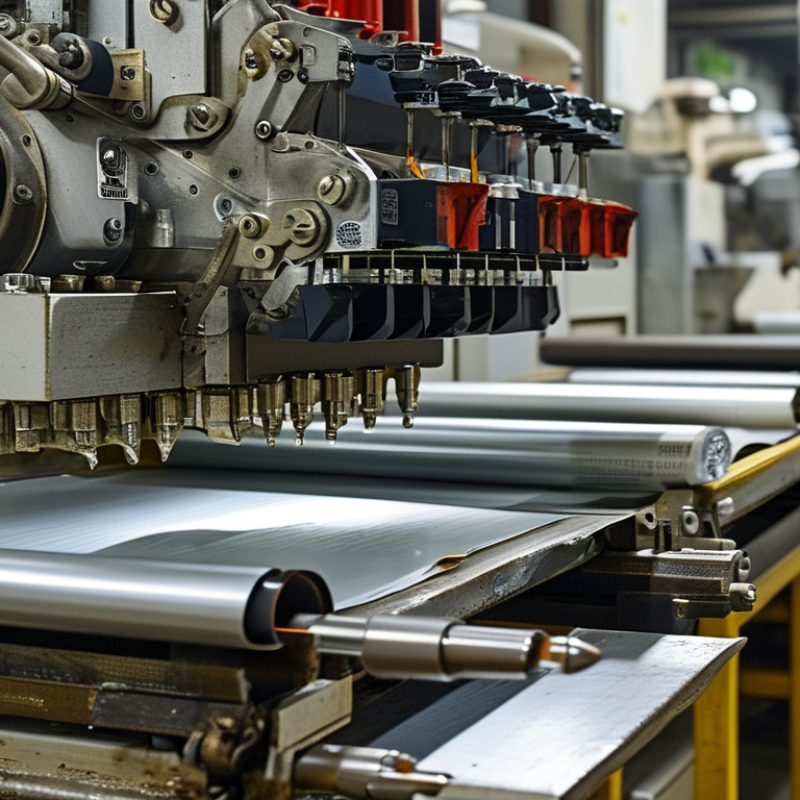
An industrial foiling machine is production equipment that applies a thin metallic or colored foil to paper, board, labels, films, and other suitable materials. It uses controlled heat, pressure, and a stamping tool to transfer the foil onto a surface. Some systems use a heated cylinder, while others use a flat platen or digital process. A typical machine includes a feeder, foil unwind unit, heated plate, pressure system, sensors, and waste rewind section. These parts work together at steady production speeds.

The main purpose is clear. Create sharp, durable decoration with consistent positioning. Foil can highlight logos, borders, text, security details, or textured patterns. Industrial machines are useful when manual methods become slow, uneven, or expensive. However, output depends on material thickness, foil quality, temperature, pressure, and operator settings. No machine is perfect. Poor calibration may cause weak transfer, wrinkles, or wasted foil. That reality deserves attention before purchase.

Tips: Check the machine’s working size and material range first. Test your actual stock, not only sample paper. Record temperature, pressure, and speed during trials. Inspect rollers and sensors regularly. A trained operator can prevent small faults from becoming costly production delays. Choose equipment with accessible controls and clear maintenance procedures. A cheaper machine may seem attractive, but unreliable feeding can quietly reduce profit.
How Does an Industrial Foiling Machine Work?

An industrial foiling machine transfers a thin metallic or pigment film onto paper, board, labels, or flexible substrates. The process begins with an unwinding unit that feeds foil at controlled tension. A heated cylinder or stamping die then presses the foil against the substrate. Heat and pressure activate the release coating, leaving the decorative layer behind. The unused carrier film continues toward a rewinder.

Modern equipment uses servo motors, optical sensors, and pneumatic controls to maintain registration. Operators adjust temperature, pressure, speed, and dwell time. Excess heat can distort delicate stock. Insufficient pressure creates broken lettering. Small changes matter.

According to Smithers’ 2023 printing market data, packaging print was valued at approximately 490 billion US dollars globally. Its forecast expects continued growth through 2028, supported partly by premium finishes and brand differentiation. A separate market analysis by Grand View Research projects strong growth for hot stamping foil demand during this decade, with packaging among the leading applications. These figures depend on market definitions, so they should not be treated as exact production targets.

In practical use, an operator checks foil adhesion after setup, not only machine speed. A clean test sheet may still hide weak bonding at the edges. That is where experience becomes important. Industrial foiling can reduce manual finishing steps, but it does not remove quality risks. Substrate moisture, uneven caliper, and worn tooling can change the result within one production run. Careful calibration remains essential.

Which Industries Use Industrial Foiling Machines?

Industrial foiling machines serve many industries that need attractive, durable, and consistent printed surfaces. Packaging manufacturers use them on cartons, gift boxes, sleeves, and premium product cases. A metallic finish can improve shelf visibility, especially under retail lighting. However, foil adhesion depends on coating, paper texture, pressure, and temperature.

Commercial printers use these machines for invitations, certificates, book covers, brochures, and promotional materials. Label producers apply foil to wine labels, personal-care packaging, and specialty food containers. The process can highlight logos, borders, serial areas, or small decorative details. Small runs differ. An operator may need several tests before production becomes stable.

Cosmetics and consumer goods companies often choose foiling for a refined appearance. Electronics packaging may use it for clear product identification and organized visual hierarchy. Healthcare packaging can also benefit from precise foil markings when readability and controlled production matter. Foiling is not a universal solution. Very textured stock may produce broken lines, while excessive heat can damage sensitive materials. Experienced teams check artwork, substrate samples, machine settings, and final appearance together. They also record successful settings for repeat orders, although real production conditions can still change unexpectedly. A practical decision considers volume, material range, maintenance access, operator training, and waste control—not appearance alone.

What Benefits Does Industrial Foiling Provide?

Industrial foiling gives manufacturers a controlled way to add metallic, matte, or holographic details to printed materials. Depending on the process, heat, pressure, or adhesive transfers foil onto paperboard, labels, plastics, and selected films. The result is a sharp finish that can improve shelf visibility without changing the entire package design.

The practical benefits are measurable. Modern equipment can process long production runs with stable registration and repeatable pressure. This reduces variation between the first sheet and the last. Foiling also supports fine text, borders, logos, and security-style visual details. Properly applied foil can resist light handling and ordinary surface rubbing. That matters for cartons, covers, premium labels, and promotional pieces.

There is a learning curve.

An industrial foiling machine still needs skilled setup. Temperature, speed, pressure, substrate moisture, and foil release must work together. A small adjustment can prevent blurred edges or incomplete transfer. In production trials, operators should inspect samples under direct light and record settings for repeat jobs. Foiling may also increase material costs and setup time. That limitation should be considered honestly. However, when quality control is consistent, the process can reduce rework, strengthen product presentation, and deliver a more distinctive finish at commercial volumes.

Why Choose an Industrial Foiling Machine? - What Benefits Does Industrial Foiling Provide?

Evaluation Dimension Typical Industrial Foiling Capability Operational Benefit Why It Matters in Production
Production speed Many industrial hot-foil systems are specified at approximately 3,000–8,000 sheets per hour, depending on format, foil coverage, substrate, and job complexity. More finished sheets can be produced during each shift. Higher throughput helps reduce bottlenecks in commercial print and packaging workflows.
Foil application consistency Controlled temperature, pressure, dwell time, and web or sheet feeding support repeatable transfer quality. More uniform metallic coverage, adhesion, and image definition across a run. Consistent appearance is important for premium packaging, labels, covers, and security-related print features.
Substrate range Depending on the machine and tooling, industrial systems can process paperboard, coated papers, synthetic stocks, labels, and selected plastic films. One production platform can support multiple product categories. Greater material flexibility can improve equipment utilization and expand the range of sellable applications.
Large-area coverage Industrial machines can apply foil to defined spot areas or large solid areas, subject to platen, cylinder, die, and substrate limits. Supports both detailed graphics and broad decorative panels. Manufacturers can produce premium effects without relying on separate manual finishing steps.
Registration accuracy Automated feeding, registration controls, and stable transport reduce sheet-position variation compared with manually positioned sheets. Foil elements align more reliably with printed graphics, die cuts, and embossed details. Better alignment improves visual quality and reduces rejects caused by misplaced decoration.
Changeover and job setup Programmable settings, job memories, quick-access tooling, and automated controls can shorten repeat-job preparation. Less operator time is spent repeating machine settings and alignment tasks. Faster setup is especially valuable for short and medium production runs with frequent artwork changes.
Material efficiency Foil-saving systems can advance the foil intermittently so unused areas are not pulled through continuously; actual savings depend on layout and machine configuration. Lower foil consumption on suitable repeat and segmented designs. Reduced consumable waste can improve job economics and support more efficient material use.
Product value and appearance Hot stamping creates reflective, opaque, colored, holographic, and special-effect finishes when compatible foil and substrate combinations are selected. Products gain stronger shelf impact and tactile or visual differentiation. Enhanced decoration can support premium positioning for packaging, stationery, book covers, invitations, and labels.
Labor productivity Automated feeding, monitoring, foil transport, and fault detection reduce the amount of repetitive manual handling required. Operators can supervise production instead of manually positioning every sheet. Improved labor utilization becomes more significant as order volume and machine uptime increase.
Quality control Sensors, alarms, sample checks, and standardized operating parameters help identify feeding, temperature, pressure, and foil-break issues. Problems can be detected earlier during production. Early detection limits the quantity of defective sheets produced before corrective action is taken.
Best-fit production environment Industrial foiling is most suitable for recurring demand, higher volumes, multiple shifts, or applications where repeatability is critical. Equipment capacity is better matched to continuous commercial production. The investment is easier to justify when throughput, quality stability, labor efficiency, and repeat orders are all important.

Note: Performance figures are indicative industry ranges rather than guarantees. Actual output, waste, registration, setup time, and material compatibility vary with machine design, sheet size, foil type, artwork coverage, substrate, tooling, operator skill, and job conditions.

How Should Businesses Choose the Right Foiling Machine?

Why Choose an Industrial Foiling Machine?
How Should Businesses Choose the Right Foiling Machine?

Choosing an industrial foiling machine starts with the product, not the advertised speed. Review the materials you actually run: coated cartons, labels, flexible films, or textured papers. Each surface accepts heat, pressure, and foil differently. A stable result matters more than a dramatic maximum output. Ask operators to record setup time, waste, temperature changes, and registration accuracy during normal shifts. Real production evidence is more useful than a showroom demonstration.

Match the machine’s working width and format to your current jobs. Then consider likely growth, but avoid paying for capacity that may stay unused. Check heating-zone control, pressure adjustment, web tension, feeding stability, and changeover access. These details affect fine lettering, solid areas, and repeated runs. Ask whether staff can clean rollers safely and reach wear parts without lengthy downtime. Training quality also matters. A precise machine still fails when settings are guessed.

Request test samples using your own substrate, artwork, foil, and production speed. Measure adhesion, coverage, edge sharpness, color consistency, and waste. Speak with maintenance teams, not only sales representatives. Their experience can reveal noise, difficult adjustments, or recurring alignment problems. Review service response times, spare-part availability, manuals, and operator support before signing. Do not ignore energy use and ventilation requirements. A lower purchase price may hide higher labor costs. There is no perfect choice. Leave room for a second trial; early assumptions are often wrong.

Get In Touch

Drop Us A Message

    Our Contact Details

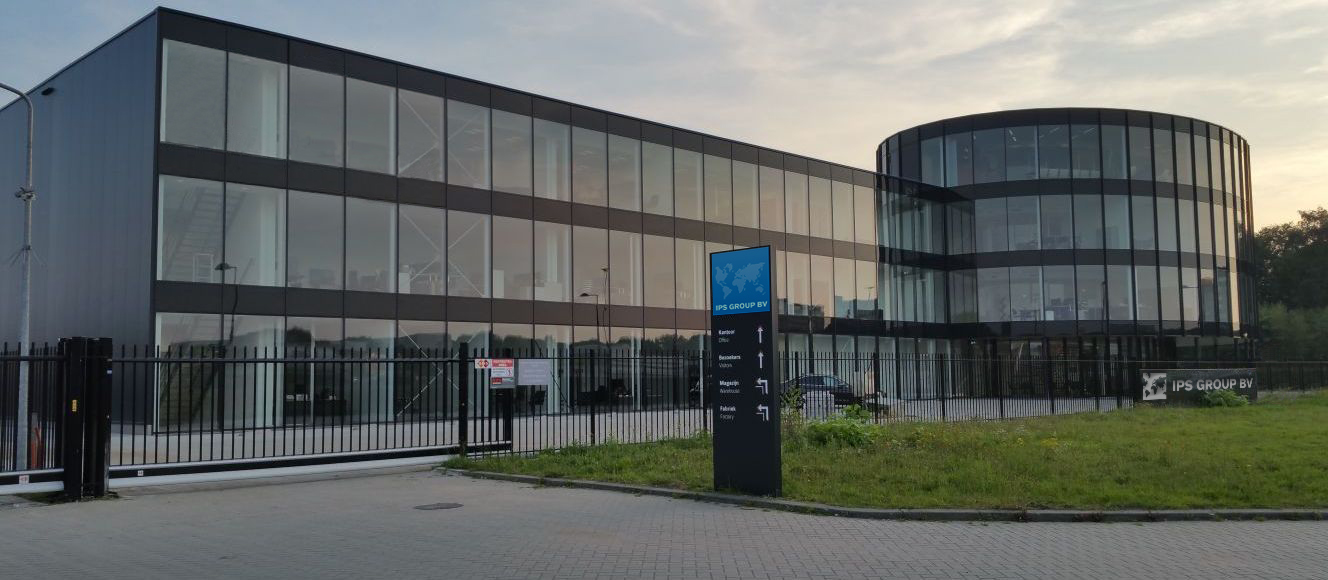
    • IPS Group BV | Head Office (NB), Technopol 4, 5026 SB Tilburg, The Netherlands

      IPS Group BV | Rhijnspoor 239, 2901 LB Capelle a/d IJssel, The Netherlands
    • sale@qbhardware.org
    • +31 (0) 10 303 2625