
Choosing an Oil Storage Fuel Drum is a practical decision, not merely a purchasing exercise. Global liquid-fuels consumption reached approximately 102 million barrels per day in 2023, according to the U.S. Energy Information Administration’s Short-Term Energy Outlook. That scale makes storage discipline important, even for smaller workshops, farms, and maintenance sites. A suitable drum can protect fuel from dust, moisture, sunlight, and unnecessary handling. The wrong drum can create leaks, contamination, or difficult inspections.
Material compatibility matters. Steel drums often provide strong impact resistance, while approved plastic drums may reduce corrosion concerns for compatible fuels. Capacity, closure design, grounding arrangements, ventilation, and secondary containment also deserve close attention. The U.S. Environmental Protection Agency’s Spill Prevention, Control, and Countermeasure guidance highlights the importance of preventing oil discharges and maintaining reliable containment. A drum should never be selected by price alone. That shortcut can become expensive.
Safety scholar James Reason offered a useful principle: “We cannot change the human condition, but we can change the conditions under which humans work.” His observation applies directly to fuel storage. Clear labels, stable pallets, visible inspection points, and controlled dispensing reduce avoidable mistakes. Still, an Oil Storage Fuel Drum is not automatically the safest option. Fuel type, storage duration, climate, and local requirements must be reviewed together. I may be overlooking a site-specific risk here. That is precisely why experienced operators should inspect the storage area before choosing a drum. The best decision is measurable, documented, and open to revision.
Why Choose an Oil Storage Fuel Drum?
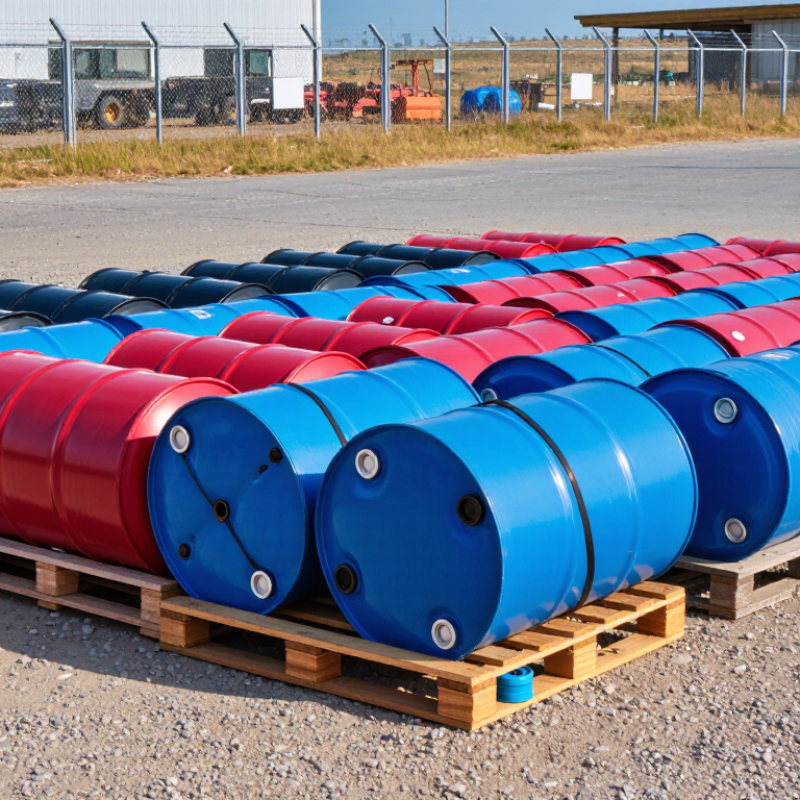
An oil storage fuel drum is a purpose-built container for holding liquid fuel or lubricating oil. It is usually made from strong steel or chemical-resistant plastic. These materials help reduce leaks, dents, and contamination during normal handling. A secure lid or bung limits exposure to dust and moisture. The drum also supports safer transport and organized storage.
In practical use, choosing the right drum starts with the stored liquid. Fuel type, capacity, temperature, and compatibility all matter. A 200-liter drum may suit a workshop, while a smaller container fits occasional maintenance. Always check the drum’s technical information before filling it. Look for damage, rust, weak seams, or a distorted opening. I have found that rushed inspections often miss small problems. That mistake can become expensive later. Place the drum on a stable surface with suitable ventilation. Keep it away from heat, ignition sources, and drains. Follow applicable storage requirements and workplace procedures.
Tips: Use a clean, compatible funnel. Label the contents clearly. Keep the lid tightly closed. Inspect the base regularly. Store spill-control materials nearby. Do not assume a used drum is safe because it looks clean. Residue, odor, and hidden corrosion can remain inside. A simple inspection record can improve reliability, although it may feel unnecessary on a quiet day.
| Data Dimension | Typical Information | Why It Matters |
|---|---|---|
| Definition | An oil storage fuel drum is a portable, closed container designed to store and transport liquid fuels or petroleum-based oils. | It provides a controlled storage solution that helps reduce exposure to dust, moisture, spills, and accidental contamination. |
| Common Capacities | Common industrial drum sizes include approximately 60 L, 100 L, 200 L, and 208 L. A 208 L drum is commonly associated with the nominal 55-gallon drum size. | Capacity selection should match fuel consumption, handling equipment, available storage space, and transport requirements. |
| Steel Drum | Carbon-steel drums are widely used for many petroleum products and can provide strong resistance to impact and rough handling. | Steel is suitable for demanding industrial environments, but the drum should be protected from corrosion and kept away from incompatible chemicals. |
| Plastic Drum | High-density polyethylene drums are lightweight and resistant to rust. Compatibility depends on the specific fuel, oil, additives, and storage conditions. | Plastic can simplify handling, but users must verify chemical compatibility and follow the container manufacturer’s limitations. |
| Closure System | Typical closures include threaded bung openings, gasketed caps, and tamper-evident seals. | A secure closure helps limit leakage, evaporation, water entry, and contamination during storage and movement. |
| Fuel Compatibility | Suitability varies for diesel fuel, kerosene, lubricating oil, hydraulic oil, heating oil, and other petroleum products. | The drum material, lining, gasket, and closure must be compatible with the stored liquid. Compatibility should be confirmed before filling. |
| Portability | Drums can be moved with suitable drum trucks, forklifts, pallets, drum lifters, or other rated handling equipment. | Portable storage supports fuel distribution and temporary work sites, while proper lifting methods reduce injury and damage risks. |
| Space Efficiency | Cylindrical drums can be stored upright on stable surfaces and arranged on approved pallets or storage racks. | Organized placement makes inventory checks easier and helps maintain clear access around the storage area. |
| Spill Control | Drums are often placed inside secondary containment, such as a spill pallet, bunded area, or containment tray. | Secondary containment helps prevent a leak from spreading into soil, drains, walkways, or work areas. |
| Fire Safety | Many fuels are flammable or combustible liquids and should be stored away from ignition sources, heat, sparks, and open flames. | Safe separation, ventilation, grounding where required, and appropriate fire-control procedures help reduce fire risk. |
| Storage Position | Drums are generally stored upright unless the product instructions and approved storage system specify another position. | Upright storage can help protect closures and reduce the chance of leakage from bung openings. |
| Environmental Conditions | Recommended conditions commonly include a dry, well-ventilated location protected from direct sunlight, extreme temperatures, and standing water. | Suitable conditions can reduce corrosion, pressure buildup, product degradation, and container deterioration. |
| Inspection Needs | Regular checks should look for dents, rust, cracks, bulging, damaged seals, loose closures, and signs of leakage. | Early detection allows the container to be isolated or replaced before a small defect becomes a spill or safety incident. |
| Labeling | Labels should identify the product, hazards, storage instructions, and relevant handling information. | Clear labeling supports correct handling, emergency response, stock rotation, and regulatory compliance. |
| Advantages | Portable format, standardized handling, scalable capacity, protection from contamination, and suitability for many industrial applications. | These features make drums practical when fuel must be stored or distributed in moderate quantities. |
| Limitations | Drums require safe handling, suitable containment, compatible materials, controlled storage conditions, and regular inspection. | They are not a substitute for a purpose-built bulk tank when large-volume, permanent storage is required. |
| Selection Checklist | Confirm the liquid type, required capacity, drum material, closure type, applicable regulations, handling method, storage location, and spill-control plan. | A complete evaluation improves safety, reduces product loss, and helps ensure that the drum is suitable for its intended service. |