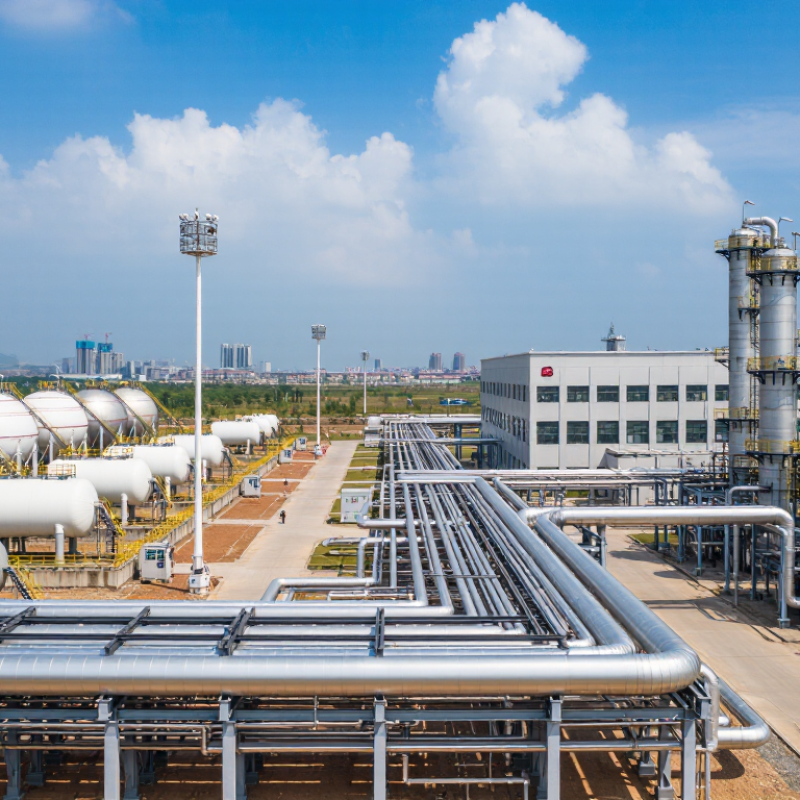
| Natural Gas Transmission Pipelines |
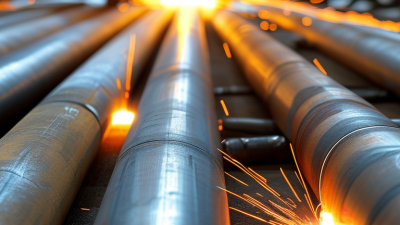
Production of longitudinally welded and spiral-welded line pipe, pipe fittings, bends, and coated pipeline sections for high-pressure transmission systems.
|
Large-diameter line pipe
Welded pipe
Anti-corrosion coating
Factory bends
|
Common transmission projects use outside diameters from approximately 273 mm to more than 1,200 mm. Pipeline design pressure is project-specific and is commonly selected within high-pressure transmission ranges.
|
Carbon-manganese line-pipe steel, including grades specified by the project design; fusion-bonded epoxy, three-layer polyethylene, or three-layer polypropylene coating systems.
|
Controlled welding procedures, non-destructive testing, dimensional inspection, hydrostatic testing, fracture-toughness control, and coating holiday detection.
|
Long-distance gas transmission lines, regional trunk pipelines, underground gas storage connections, and city-gate supply systems.
|
Confirm material certificates, pipe grade, wall thickness, weld inspection rate, coating system, pressure-test records, and traceability from heat number to finished pipe.
|
| LNG Storage Tanks |
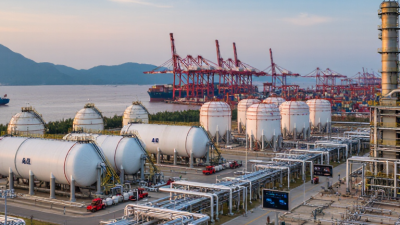
Engineering and fabrication of cryogenic storage tanks, including inner containers, outer shells, insulation systems, suspended decks, and tank instrumentation.
|
Full-containment tank
Double-wall tank
Flat-bottom tank
Cryogenic insulation
|
LNG receiving terminals and peak-shaving facilities commonly use storage capacities from several thousand cubic metres to more than 160,000 m³ per tank, depending on project scale.
|
9% nickel steel or equivalent cryogenic-grade material for the inner tank; carbon steel or reinforced concrete for the outer structure; perlite, cellular glass, or other qualified insulation materials.
|
Cryogenic toughness, low boil-off rate, settlement monitoring, seismic design, bottom-heating protection, emergency pressure relief, and secondary containment.
|
LNG import terminals, satellite LNG stations, peak-shaving plants, and large industrial gas supply hubs.
|
Review cryogenic material qualification, tank settlement calculations, insulation performance, weld procedures, leak testing, pressure-vacuum protection, and emergency shutdown design.
|
| LNG Vaporizers |
Manufacture of equipment that converts liquefied natural gas into gaseous natural gas using ambient air, seawater, heated water, or an intermediate fluid.
|
Ambient air vaporizer
Open-rack vaporizer
Water-bath vaporizer
Shell-and-tube exchanger
|
Capacity is normally specified in tonnes per hour or standard cubic metres per hour. Selection depends on LNG flow, inlet temperature, outlet pressure, gas quality, and minimum ambient conditions.
|
Aluminium alloys, stainless steel, low-temperature carbon steel, nickel-bearing alloys, and seawater-resistant materials where applicable.
|
Stable outlet temperature, prevention of hydrate formation, thermal stress control, safe relief discharge, corrosion resistance, and reliable operation under low ambient temperatures.
|
LNG terminals, city-gate stations, industrial LNG stations, and peak-shaving facilities.
|
Verify rated vaporization duty, turndown ratio, design temperature, outlet-gas temperature, pressure drop, material compatibility, and winter operating performance.
|
| Gas Compressors |
Design and assembly of reciprocating, centrifugal, and screw compressor packages for gas gathering, transmission, storage injection, withdrawal, and LNG-related services.
|
Reciprocating compressor
Centrifugal compressor
Screw compressor
Packaged skid
|
Reciprocating units are widely used for variable-flow and high-pressure-ratio duties; centrifugal units are commonly selected for large, relatively stable flow rates. Pressure ratio and flow are determined by the station design.
|
Alloy steel pressure parts, stainless steel trim, corrosion-resistant valve components, and engineered sealing materials suitable for methane service.
|
Anti-surge control for centrifugal machines, pulsation control for reciprocating machines, vibration monitoring, gas sealing, emergency shutdown, and hazardous-area electrical design.
|
Compressor stations, underground gas storage, gas gathering systems, LNG boil-off-gas handling, and industrial gas networks.
|
Check guaranteed flow, discharge pressure, efficiency, allowable speed range, emissions performance, vibration limits, noise level, spare-parts support, and factory performance testing.
|
| Pipeline and Process Valves |
Production of ball, gate, globe, check, butterfly, control, and emergency shutdown valves for gas transmission and processing systems.
|
Trunnion ball valve
Floating ball valve
Gate valve
Control valve
ESD valve
|
Nominal sizes and pressure classes vary by pipeline and station design. Large transmission valves commonly use full-bore configurations to reduce pressure loss and support pigging operations.
|
Carbon steel, low-temperature carbon steel, stainless steel, nickel alloys, elastomeric seats, and hard-facing materials selected for gas composition and temperature.
|
Bi-directional shutoff where required, fugitive-emission control, fire-safe construction, anti-static design, low-temperature performance, fail-safe actuation, and seat durability.
|
Transmission pipelines, compressor stations, LNG terminals, city-gate stations, metering stations, and gas-processing plants.
|
Verify pressure class, end connection, bore size, seat material, fire-safe test results, fugitive-emission test, actuator torque, cycle-life data, and inspection records.
|
| Gas Pressure-Regulating and Metering Stations |
Integration of filtration, pressure reduction, flow measurement, heating, odorization, gas-quality monitoring, control, and emergency shutoff equipment.
|
Skid-mounted station
Pressure regulator
Ultrasonic meter
Filter separator
Odorization system
|
Station throughput is configured in standard cubic metres per hour. Inlet and outlet pressure levels depend on whether the facility serves transmission, distribution, industrial, or residential users.
|
Carbon steel piping, stainless steel instrument tubing, coated structural steel, corrosion-resistant meter bodies, and certified elastomers.
|
Accurate custody-transfer measurement, pressure stability, over-pressure protection, filtration, gas heating against hydrate risk, remote monitoring, and emergency isolation.
|
City-gate stations, industrial user stations, power-generation gas supply, residential distribution networks, and regional gas hubs.
|
Confirm metering accuracy, flow turndown, pressure-control stability, filtration rating, heater duty, odorant injection accuracy, bypass arrangement, and control-system compatibility.
|
| LNG Filling and Satellite Stations |
Fabrication and integration of cryogenic storage, unloading, transfer pumping, dispensing, gasification, and station control systems.
|
Vertical storage tank
Horizontal storage tank
Cryogenic pump
LNG dispenser
Gasification skid
|
Station storage is selected according to truck traffic, daily gas demand, delivery frequency, and required reserve. Small satellite stations generally use packaged systems, while high-throughput sites use multiple tanks and pumps.
|
Austenitic stainless steel, 9% nickel steel where applicable, vacuum-jacketed piping, cryogenic seals, and low-temperature-rated valves and hoses.
|
Safe unloading, separation of liquid and vapour lines, emergency shutdown, breakaway couplings, leak detection, grounding, overfill protection, and controlled venting.
|
Heavy-duty vehicle fueling, remote industrial users, distributed gas supply, construction sites, and local peak-shaving applications.
|
Check unloading rate, storage autonomy, pump net positive suction head, dispenser accuracy, hose and coupling certification, hazardous-area classification, and emergency-response provisions.
|
| Gas Filtration and Separation Equipment |
Manufacture of filter separators, cyclone separators, coalescing filters, scrubbers, and gas-liquid separation vessels for protecting downstream equipment.
|
Filter separator
Cyclone separator
Coalescing filter
Slug catcher
|
Equipment size is determined by gas flow, liquid loading, particle size, allowable pressure drop, and required removal efficiency.
|
Carbon steel pressure vessels, stainless steel internals, corrosion-resistant mesh pads, cartridge elements, and qualified gasket materials.
|
Adequate residence time, low pressure drop, reliable liquid-level control, drainage capacity, erosion resistance, and safe handling of collected liquids.
|
Gas gathering, compressor stations, metering stations, city-gate facilities, and gas-processing plants.
|
Verify separation efficiency, design flow, maximum liquid carryover, pressure-drop curve, element replacement method, vessel inspection, and relief-device sizing.
|
| Station Control and Safety Systems |
Integration of supervisory control, programmable logic control, emergency shutdown, fire and gas detection, pressure monitoring, and remote communication systems.
|
SCADA
PLC control
ESD system
Fire and gas system
Remote telemetry
|
System architecture is based on facility criticality, number of field devices, required availability, communication distance, cybersecurity policy, and operating-staff requirements.
|
Industrial control cabinets, stainless steel field enclosures, intrinsically safe instruments, certified cable glands, and hazardous-area-rated electrical equipment.
|
Functional safety, alarm management, redundancy for critical signals, time synchronization, event recording, cybersecurity controls, and safe shutdown logic.
|
Compressor stations, LNG terminals, storage facilities, city-gate stations, and unmanned remote stations.
|
Review cause-and-effect charts, shutdown response time, instrument calibration, alarm priorities, network redundancy, access control, backup power, and factory acceptance test results.
|