Top Touch Screen Kiosk Trends for 2026 What to Know?
As we approach 2026, Touch Screen Kiosks are becoming increasingly integral to various industries. These kiosks offer interactive experiences, enhancing customer engagement and streamlining operations. With advancements in technology, businesses must adapt to emerging trends that shape user interactions.
One notable trend is the evolution of design. Touch Screen Kiosks are not just functional; they are becoming sleek and attractive. This aesthetic appeal draws in users and enhances brand image. Moreover, various kiosks are embracing sustainability. Eco-friendly materials and energy-efficient systems reflect a growing commitment to the environment.
Another key trend involves personalization. Users desire experiences tailored to their preferences. Touch Screen Kiosks can leverage data analytics to provide relevant information. However, businesses must also navigate concerns about data privacy and security. Striking the right balance between personalization and protecting user data is essential. As we look ahead, understanding these trends can ensure that Touch Screen Kiosks remain effective tools for businesses and customers alike.
Emerging Technologies Shaping Touch Screen Kiosk Design in 2026
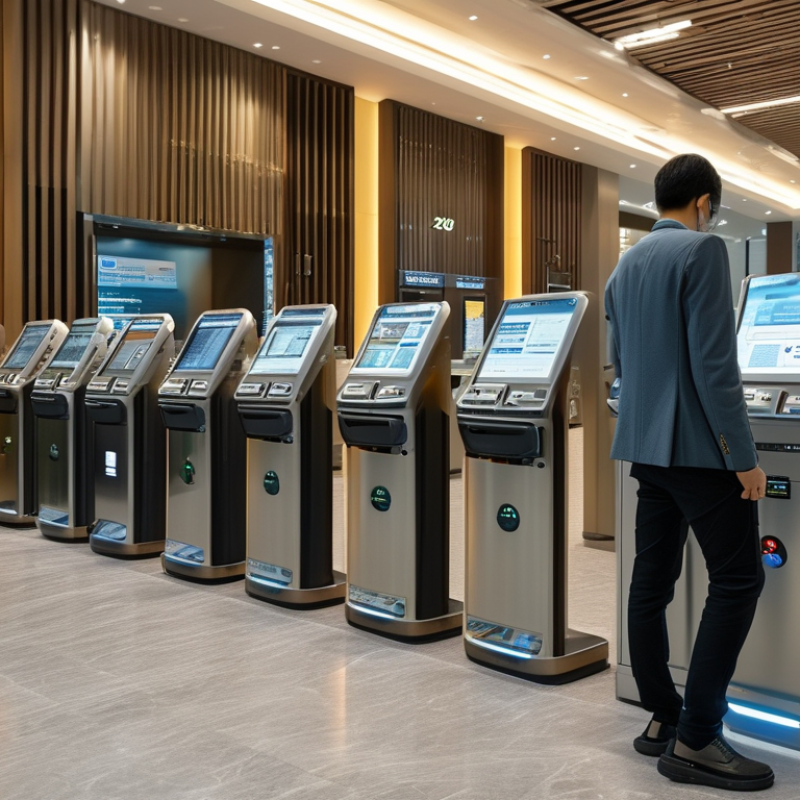
The design of touch screen kiosks in 2026 will be heavily influenced by emerging technologies. As artificial intelligence continues to evolve, kiosks will incorporate more personalized interactions. Users will receive recommendations based on their preferences. This capability enhances user experience and streamlines service delivery.
Another significant trend is the integration of augmented reality (AR). Kiosks equipped with AR can offer interactive and immersive experiences. Imagine scanning a product and seeing additional information overlaying the screen. This technology not only informs users but also engages them in a unique way.
Tips: Ensure that the user interface remains intuitive. Complex designs can frustrate users, leading to a negative experience. Regularly gather user feedback to improve functionality. Keep an eye on evolving technologies to stay competitive.
Additionally, sustainability is becoming vital in kiosk design. Eco-friendly materials and energy-efficient screens are preferences for consumers. These choices reflect a growing awareness of environmental impact. Strive for a balance between technological advancement and sustainability in your projects.
User Experience Innovations in Touch Screen Kiosks
User experience in touch screen kiosks is evolving rapidly. By 2026, several innovations will shape how users interact with these systems. Data from industry analysts indicates that 75% of customers prefer self-service options for efficiency and ease. Enhancing user experience is vital as it directly influences customer satisfaction and retention.
Touch screen kiosks will incorporate more intuitive interfaces. Gesture recognition technology is becoming a game changer. This allows users to interact with kiosks naturally. Researchers also predict that voice commands will be integrated into many kiosks, making them more accessible. A study found that kiosks with enhanced UX can increase user engagement by 40%. This shows the value of investing in user-friendly design.
Tip: Regularly gather user feedback to identify pain points. Small improvements can lead to significant user satisfaction. Consider integrating adaptive learning algorithms that personalize the user experience. This encourages repeat visits and loyalty.
Tip: Test with diverse user groups to ensure inclusivity. Experimentation will highlight what works and what doesn’t. Not all features will resonate with every user. Balancing innovation and practicality will lead to better user experiences in touch screen kiosks.
Sustainability Trends Impacting Touch Screen Kiosks in 2026
In recent years, sustainability has emerged as a key driver for the growth of touch screen kiosks. By 2026, we can expect a stronger focus on eco-friendly design and materials. A report from the Global Kiosk Association indicates that nearly 70% of consumers prefer kiosks made with sustainable materials. This shift is not just a trend but a necessity driven by growing environmental awareness.
Manufacturers are beginning to integrate renewable energy solutions into kiosk designs. Solar panels and energy-efficient components help reduce energy consumption. According to recent industry research, kiosks that employ these technologies can decrease operational costs by up to 30%. However, some challenges persist. The initial investment in eco-friendly materials can be higher, which may deter smaller businesses from making the switch.
Additionally, recyclability will play a larger role. As kiosks age, their components should be easy to recycle. Current recycling processes are not uniform, causing waste. Companies are exploring partnerships to enhance recyclability rates. However, education on proper disposal or repurposing remains lacking. Addressing this gap is crucial for fostering long-term sustainability in the industry.
Integration of AI and Machine Learning in Kiosk Applications
The integration of AI and machine learning in kiosk applications is transforming how we interact with technology. These systems can learn from user behavior, making them more efficient. Imagine a kiosk that remembers your previous purchases. This feature enhances the customer experience, providing personalized recommendations. However, this level of sophistication also raises concerns about data privacy and security.
AI-driven kiosks can analyze foot traffic in real time. They can adjust their advertising based on user demographics. This capability offers a more targeted approach, but it can be unsettling. Users may feel their every move is monitored. Transparency in how data is used is crucial. Companies must balance innovation with user trust.
Adopting AI in kiosks isn't without challenges. Companies face technical difficulties in implementation. Moreover, ensuring that AI systems are unbiased is essential. If not, they may perpetuate existing inequalities. As the technology evolves, continuous evaluation will be necessary. The potential for improvement is vast, but so are the risks.
Top Touch Screen Kiosk Trends for 2026
Security Enhancements for Touch Screen Kiosks in the Future
As the reliance on touch screen kiosks grows, security becomes paramount. Future kiosks must incorporate advanced biometric authentication. Fingerprint and facial recognition technologies are game-changers. These methods can provide a secure user experience, minimizing data breaches. However, concerns about privacy remain. Users need assurances about how their data is stored and used.
Another trend is the integration of AI monitoring systems. These systems can detect unusual activities in real-time. They also help in identifying potential security threats. Yet, the risk of false positives could lead to unnecessary customer distress. Balancing security with user experience will be crucial.
Regular software updates must be a standard practice. Cyber threats evolve constantly, making it vital to keep kiosks protected. Companies may struggle with outdated systems due to budget constraints. This highlights the importance of investing in future-proof technology. Firms should also focus on staff training to ensure compliance with security protocols. This comprehensive approach fosters trust with customers while addressing looming security challenges.
Top Touch Screen Kiosk Trends for 2026
| Feature | Description | Expected Impact |
| AI-Driven Interactions | Integration of AI for personalized user experiences and interaction. | Higher user satisfaction and engagement. |
| Enhanced Security Protocols | Implementation of biometric authentication and encrypted communications. | Reduced fraud and enhanced user trust. |
| Multi-Language Support | Kiosks providing support for multiple languages to cater to diverse audiences. | Wider accessibility and improved user experience. |
| Contactless Payment Options | Support for mobile wallets and other contactless payment technologies. | Increased transaction speed and safety from cash handling. |
| Eco-Friendly Materials | Use of recyclable and sustainable materials in kiosk construction. | Positive environmental impact and brand image enhancement. |
| Advanced Analytics | Utilization of data analytics to track user behavior and improve services. | Better decision-making and service optimization. |