
Choosing the right Sanitary Napkins is not just a matter of comparing prices. For global buyers, product type affects comfort, absorbency, packaging, and suitability for different retail channels. Needs vary. A thin daytime pad may work well under fitted clothing, while a longer overnight design can offer broader rear coverage. Wings help keep some pads in place, but not every user prefers them.
This guide introduces common options, including regular, overnight, ultra-thin, organic-material, reusable, and postpartum pads. It also explains practical differences buyers can check: core construction, top-sheet feel, adhesive strength, individual wrapping, and clear absorbency information. Small details matter. A pad that looks similar in a catalog may feel different in use, especially when its surface, thickness, or shape changes.
No single type suits every market or customer. That deserves attention. Product labels and absorbency descriptions may not use identical conventions across suppliers, so buyers should verify specifications rather than rely on names alone. Request samples. Review product documentation, quality-control processes, and packaging details before placing large orders. Where possible, assess products with feedback from intended users and confirm that claims are supported by reliable supplier information. This overview is a starting point, not a universal ranking. Preferences can differ even among people with similar needs, and sustainability claims deserve careful checking. The sections ahead will help buyers compare product types with clearer criteria and fewer assumptions.
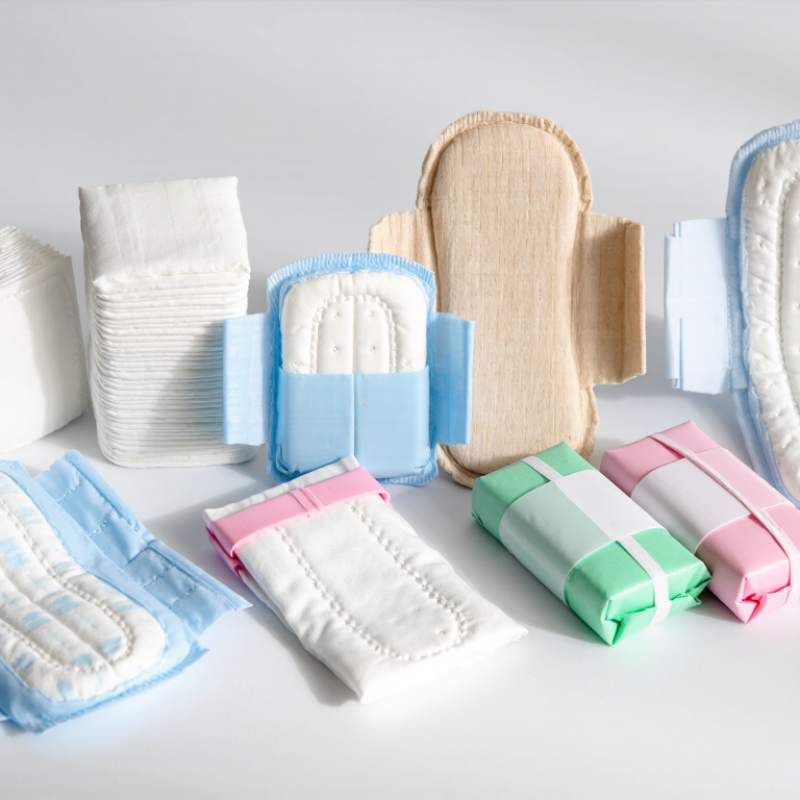
For global buyers, sanitary napkins are commonly classified by absorbency, shape, construction, and intended use. Light, regular, and overnight labels offer a quick reference, but capacity can differ between suppliers. Compare product dimensions and absorbent-core specifications, not labels alone. A longer pad may provide more rear coverage during sleep, while a slim design can fit closer to everyday underwear.
Construction is another useful category. Disposable pads usually combine a soft top layer, an absorbent core, and a leak-resistant backing; some include wings to help hold the pad in place. Reusable cloth pads form a separate group, with differences in fabric layers, fastening, and care requirements. Fit matters. Surface feel can vary, so buyers should review material details and test samples where possible.
Classification is rarely perfectly neat: a single pad may be slim, winged, and designed for heavier flow. Not perfectly. That overlap is worth noting when building a product range. Check absorbency data, pad length, wing shape, and packaging descriptions together. Then assess samples under realistic conditions, such as movement through a workday or several hours of wear. A small mismatch in fit can matter more than a broad category name.
| Classification Basis | Common Type | Typical Construction or Feature | Common Use | Buyer Considerations |
|---|---|---|---|---|
| Absorbency and intended use | Regular / daytime pad | Moderate absorbent core; commonly offered in different lengths and with or without wings. | Everyday menstrual protection, depending on individual flow and wear time. | Compare core capacity, leakage-test results, fit, and the supplier’s stated test method. “Regular” is not a universal capacity grade. |
| Absorbency and intended use | Heavy-flow pad | Typically designed with a more absorbent core or a larger absorbent area than a regular pad. | Heavier menstrual flow; suitability depends on the user’s needs and product performance. | Request comparable absorbency and rewet data. Product terms such as “super” and “heavy” can vary between markets. |
| Length and coverage | Long / overnight pad | Extended length and often a wider rear section; wings may be included. | Overnight wear or users seeking additional coverage. | Check dimensions, shape, adhesive placement, and fit with the intended underwear styles. |
| Attachment design | Winged pad | Side flaps fold around the underwear gusset and are secured with adhesive. | Users who prefer additional side coverage or help keeping the pad positioned. | Evaluate wing size, adhesive performance, release liner, and ease of removal. |
| Attachment design | Wingless pad | No side flaps; secured to underwear with a central adhesive strip. | Users who prefer a simpler shape or whose underwear is compatible with the pad design. | Confirm dimensions and adhesive compatibility; availability and preference vary by market. |
| Top-sheet material | Nonwoven topsheet | Uses a nonwoven cover layer, commonly made from synthetic fibers or fiber blends. | Available across many pad formats and absorbency levels. | Review fiber composition, softness, fluid acquisition, skin-contact requirements, and applicable local labeling rules. |
| Top-sheet material | Cotton or cotton-blend topsheet | Uses cotton or a cotton-containing cover layer; the absorbent core and backing may contain other materials. | For buyers seeking a cotton-containing surface layer. | Verify the percentage and location of cotton in the product. Do not assume the whole pad is cotton or biodegradable. |
| Core design | Conventional absorbent core | May combine cellulose fluff pulp with superabsorbent polymer (SAP), or use another specified absorbent construction. | Common in disposable pads for a range of absorbency needs. | Ask for material composition, absorbency performance, product thickness, and relevant safety documentation. |
| Core design | Reduced-SAP or SAP-free core | Uses less or no superabsorbent polymer, depending on the product specification; often relies more on fibrous absorbent materials. | For buyers comparing alternative core formulations. | Assess capacity, leakage protection, thickness, and disposal claims using product-specific evidence. |
| Product format | Disposable pad | Single-use product with an absorbent core, fluid-permeable topsheet, and fluid-resistant backsheet. | Common choice for retail, institutional, and travel use. | Compare individual wrapping, pack count, dimensions, packaging materials, and destination-market requirements. |
| Product format | Reusable cloth pad | Washable fabric layers, often with absorbent inserts and fastening snaps or other attachment features. | Reusable menstrual care where washing and drying facilities are available. | Check fabric composition, care instructions, expected wash performance, and any applicable local product requirements. |
| Special-use design | Postpartum / maternity pad | Usually longer or wider than a standard menstrual pad and designed for postpartum bleeding; product designs vary. | Postpartum care, according to the user’s needs and healthcare guidance. | Review intended-use claims, dimensions, absorbency evidence, and local classification or labeling requirements. |
Global sourcing note: Terms such as “regular,” “heavy,” “overnight,” and “super” are not applied uniformly worldwide. For accurate comparisons, buyers should use product dimensions, material specifications, and results from clearly described test methods, and should verify the regulations and labeling rules of each destination market.