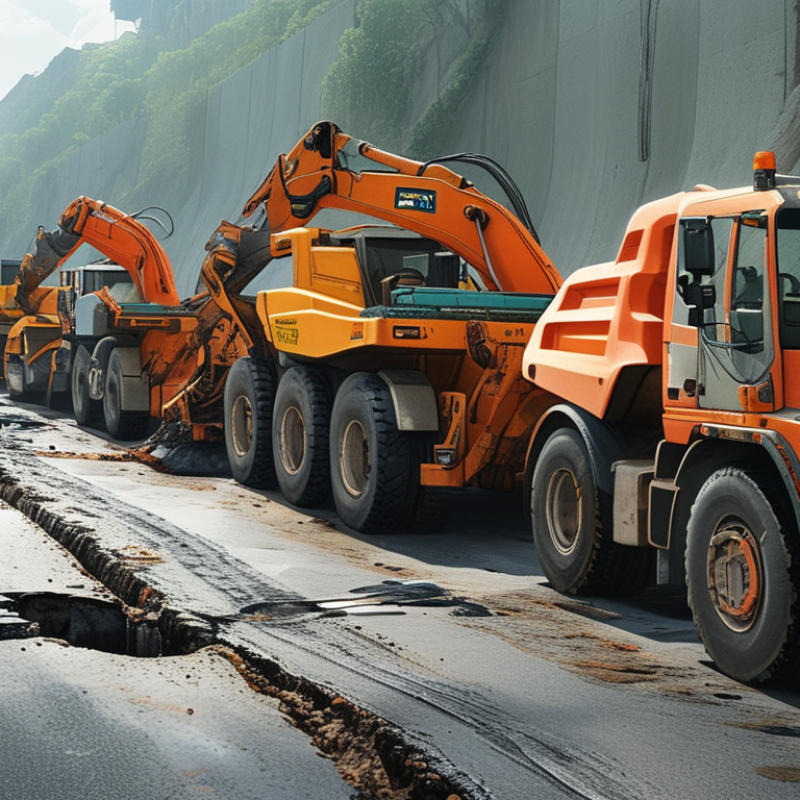
Top 5 Road Repairing Machines You Should Know?
In the ever-evolving world of infrastructure, the importance of a reliable Road Repairing Machine cannot be overstated. These machines play a crucial role in maintaining and improving road conditions. Without them, the safety and accessibility of our roads would be compromised.
Many people overlook the complexities of road repair technology. It involves various innovative solutions, each designed for specific damage types. By understanding the different types of road repairing machines, one can appreciate their impact on public safety and transportation efficiency.
Some machines are designed for patching potholes, while others tackle larger roadworks. Each plays a vital part in a well-functioning roadway system. Yet, not every machine is perfect. Some users report technical issues that can lead to delays. Evaluating the reliability of these machines is essential for effective road repairs.
Top 5 Essential Road Repairing Machines for Modern Infrastructure
In modern infrastructure, effective road repair is crucial. Several essential machines streamline this process, improving efficiency and quality. A pothole patcher is one such vital tool. It quickly fills and repairs damaged road surfaces, ensuring safer travel. With its ease of operation, it minimizes downtime on busy streets.
Another important machine is the road roller. It compacts asphalt layers, creating a smooth and durable surface. Utilizing different weights and types ensures proper compaction in varied weather conditions. However, these machines require skilled operators to ensure optimal results. Proper training is essential, as inexperienced use can lead to uneven surfaces.
A chip seal machine is also indispensable. It combines asphalt with aggregate, extending the road's lifespan. This method enhances durability but can be challenging to apply correctly. The mixture's consistency affects the outcome significantly. Regular maintenance of these machines is necessary to maintain performance and reliability. Investing time in operator training and maintenance routines pays off in the long run.
Top 5 Road Repairing Machines
Understanding the Functionality of Each Road Repairing Machine
When it comes to road repair, the machinery used plays a crucial role in efficiency and quality. One essential machine is the pothole patcher. This device uses a heated asphalt mix to fill and repair damaged road surfaces. According to the Asphalt Pavement Alliance, over 70 million potholes are filled annually in the U.S. alone. This highlights the demand for effective pothole repair methods.
Another important machine is the road reclaimer. It processes old asphalt and recycles it into new material, reducing waste and costs. The Federal Highway Administration estimates that using recycled materials can save up to 30% on repair projects. This not only promotes sustainability but also ensures roads are reconstructed with high-quality materials.
Additionally, the cold planing machine plays a significant role. It removes the top layer of asphalt for issues like rutting or cracking. Studies show that proper surface preparation is vital for the longevity of road repairs. Still, many contractors understudy this aspect, leading to premature failures in repairs. Each machine has its nuances, and understanding these can lead to more effective road maintenance practices.
Top 5 Road Repairing Machines You Should Know
| Machine Type | Functionality | Key Features | Applications |
| Asphalt Paver | Lays asphalt on the surface of roads | High precision, adjustable screed, various widths | Road construction, maintenance, and paving |
| Road Roller | Compacts soil, asphalt, or concrete | Vibratory options, different weight classes | Paving, packing, and repairing roads |
| Cold Plane Milling Machine | Removes worn pavement layers | Adjustable depth, high precision, efficient dust control | Road resurfacing, repairing potholes |
| Crack Sealant Machine | Fills and seals cracks in asphalt | Heating chamber, applicator wand, mobility options | Pothole repair, surface preservation |
| Bitumen Sprayer | Applies bitumen for road surfaces | Adjustable spray nozzle, high capacity, temperature control | Road maintenance, waterproofing jobs |
Key Features to Consider When Choosing Road Repair Equipment
When choosing road repairing equipment, several key features must be considered. The first is versatility. A machine that can handle multiple tasks will save time and resources. Ensure it can work on different surfaces, such as asphalt and concrete. This adaptability allows for effective repairs across various conditions.
Another important aspect is durability. Road repair machines are often exposed to harsh elements. Choose equipment built with high-quality materials. This not only prolongs the machine's life but also reduces maintenance costs. Look for warranties that speak to the manufacturer’s confidence in their product.
Tips: Conduct regular maintenance checks. This can prevent small issues from becoming major repairs. Always follow the manufacturer's guidelines for the best performance. Investing in well-built machines can ultimately save you money.
Finally,
efficiency is crucial. A powerful engine and operational ease can significantly enhance productivity. Look for machines that incorporate modern technology. Automated features can streamline processes and reduce operator fatigue. Remember, even the best machines require skilled operators for optimal performance. Consider training and experience when making your choice.
Comparative Analysis of the Most Popular Road Repairing Machines
When considering road repairing machines, a comparative analysis reveals key differences among the most popular options. These machines vary in design, purpose, and effectiveness, making it essential to understand their functions. Some machines excel in patching small potholes, while others tackle larger road resurfacing tasks. The choice heavily depends on the specific project demands.
A common type is the asphalt recycler, which reuses old material. This not only saves money but also reduces environmental impact. Studies indicate that using recycled asphalt can improve overall road durability. However, these machines may require skilled operators to ensure optimal results. In contrast, cold patch machines are user-friendly and ideal for quick repairs but may lack long-lasting durability. The effectiveness of these machines often leads to mixed reviews from professionals in the field.
Another crucial factor is maintenance. Many users find that regular upkeep ensures better performance. Machines left unchecked can lead to frequent breakdowns and costly repairs. While some machines boast innovative technology, not all advancements translate into superior performance. This calls for critical evaluation when choosing machinery for road repairs. Understanding the strengths and weaknesses of each type allows professionals to make informed decisions, ultimately leading to better road conditions.
Innovations in Road Repair Technology: What to Expect in the Future
The landscape of road repair technology is evolving rapidly. Innovations in machinery are changing how we approach road maintenance. New machines now integrate automation and advanced materials. This reduces repair time and enhances durability.
Future road repair technology promises even more exciting developments. Think of drones surveying road conditions. They will pinpoint damage efficiently. Other innovations may include sustainable materials for repairs. These materials could lead to longer-lasting roads. Yet, this shift does not come without challenges.
Traditionally, repairs have taken days, disrupting traffic. New methods may improve this, but adoption can be slow. Skilled operators are still essential, and training will need to catch up. As cities expand, the pressure to innovate intensifies. Yet, not all solutions may be practical or cost-effective. Each innovation must be evaluated critically. The road ahead is filled with potential, but it requires careful navigation.