What Are the Top 10 Roots Blower Manufacturers?

Choosing the right Roots Blower manufacturer requires more than comparing product catalogs. Buyers must examine airflow stability, pressure capability, energy consumption, materials, maintenance access, and after-sales support. A blower may look efficient on paper, yet perform differently in a dusty wastewater plant or a hot pneumatic conveying line.

Philander Roots, whose 1869 patent established the rotary lobe blower principle, described his purpose as “to furnish a machine” for moving air and gases with dependable mechanical action. That practical idea still matters today. Modern manufacturers add advanced profiles, precision machining, monitoring systems, and quieter operating designs. However, the basic question remains unchanged: can the equipment deliver consistent air at the required pressure?

This guide reviews the top 10 Roots Blower manufacturers through an experience-based lens. It considers product range, engineering capability, global service, customization, reliability records, and suitability for industries such as wastewater treatment, cement, food processing, and pneumatic transport. Technical specifications will be compared carefully, but specifications alone can mislead. Real operating conditions matter.

Some rankings may remain debatable. That is intentional. Market leadership depends on region, application, budget, and service expectations. A manufacturer trusted in municipal water treatment may not be the best choice for a high-temperature process line. Readers should verify current models, certifications, warranty terms, and local support before making a purchase. The best Roots Blower is not always the most powerful one. It is the one that performs steadily, efficiently, and safely in its actual working environment.

What Are the Top 10 Roots Blower Manufacturers?

Roots Blowers: Definition, Design, and Industrial Applications

What Are the Top 10 Roots Blower Manufacturers?

Roots Blowers: Definition, Design, and Industrial Applications

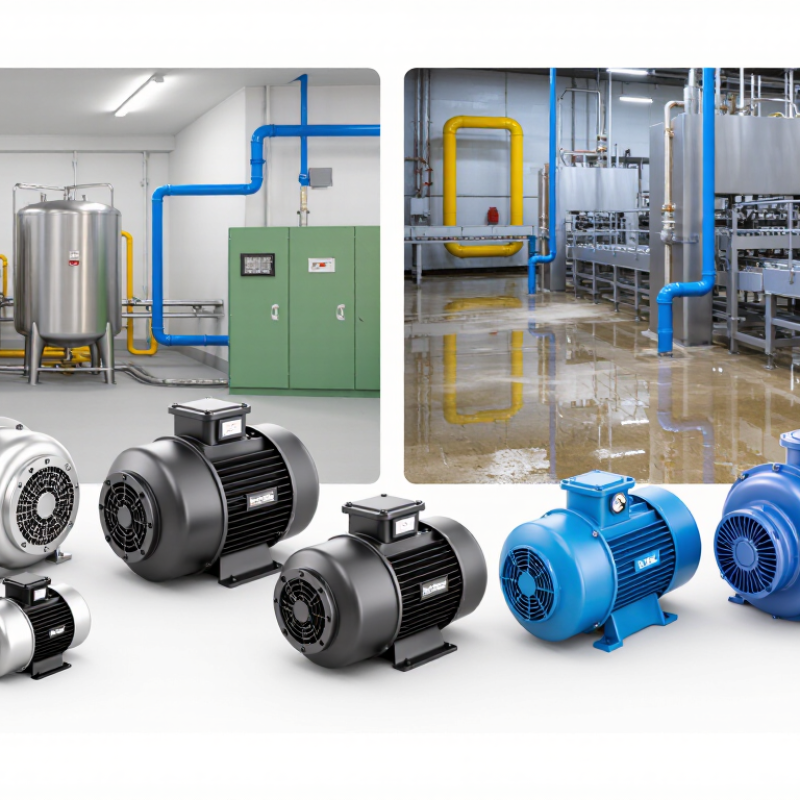
Roots blowers are positive-displacement machines. Two synchronized lobes rotate inside a close-fitting casing. They trap air and move it from the inlet to the discharge side. The lobes usually do not touch. Timing gears maintain clearance and reduce wear.

Their design is simple, but selection is not. Airflow, pressure ratio, temperature, noise, and duty cycle all matter. In wastewater plants, Roots blowers feed oxygen to biological treatment tanks. In cement facilities, they move powders through dense-phase conveying systems. They also support pneumatic transport, chemical processing, and industrial vacuum equipment.

The U.S. Department of Energy reports that compressed-air systems can consume about 10% of industrial electricity. Its compressed-air guidance also identifies leaks as a potential source of 20–30% wasted compressor output. These figures vary by plant. Measurement remains essential. ENERGY STAR guidance similarly stresses pressure control, leak repair, and correct equipment sizing. A smaller blower may waste energy when forced beyond its efficient range. A larger unit may cycle poorly. Real operation is rarely perfect.

Tips: Check air demand during peak and low-load periods. Record inlet temperature and discharge pressure. Inspect filters, belts, valves, and relief devices regularly. Use acoustic testing for hidden leaks. Compare measured flow with the manufacturer’s performance curve. Do not select equipment from catalog airflow alone. That shortcut often causes trouble.

Key Criteria for Evaluating Roots Blower Manufacturers

What Are the Top 10 Roots Blower Manufacturers?

Ranking the top ten Roots blower manufacturers requires more than comparing website claims. The key test is consistent engineering performance. Examine airflow accuracy, pressure stability, noise levels, and energy use under real operating conditions. A reliable manufacturer should provide tested performance curves, material specifications, and clear operating limits. Ask how each unit performs during continuous duty, frequent starts, and dusty conditions. Those details reveal practical experience.

Service support matters just as much. Check spare-parts availability, response times, warranty terms, and technician training. A strong manufacturer should explain maintenance intervals without hiding small costs. Review installation records from wastewater, pneumatic conveying, and industrial processing sites. Independent test reports add authority, but they are not always complete. I would also inspect the company’s quality controls and testing equipment. No ranking is perfect. Operating conditions can change the result.

Tips: Request a sample performance report before purchasing. Compare power consumption at the same flow and pressure. Listen for unusual vibration during a site visit. Ask for references from facilities with similar duty cycles. Do not choose only by initial price; a cheaper blower may demand more energy and repairs. Keep written answers from sales engineers. This creates a useful record when claims become unclear. Small gaps matter.

The Top 10 Roots Blower Manufacturers and Their Core Strengths

The Top 10 Roots Blower Manufacturers and Their Core Strengths

The leading ten Roots blower manufacturers compete through different engineering strengths. Some specialize in low-pressure air for wastewater aeration and pneumatic conveying. Others focus on high-pressure gas boosting, compact packages, or oil-free operation. Their strongest designs usually deliver stable airflow, simple maintenance, and reliable performance under continuous duty. Field experience matters here. A blower may look efficient on paper, yet perform poorly after dust, heat, or pressure changes enter the system.

Energy performance deserves close attention. The U.S. Department of Energy reports that compressed air can consume about 10% of industrial electricity. It also notes that leakage and poor controls can waste 20% to 30% of system output. Therefore, top manufacturers increasingly emphasize variable-speed drives, intelligent controls, and inlet filtration. Some also provide acoustic enclosures and heat-recovery options. Small details matter.

Their core strengths can be grouped into ten areas: rotor accuracy, low noise, oil-free compression, corrosion resistance, modular design, digital monitoring, custom engineering, after-sales service, energy recovery, and compliance testing. ISO 1217 provides recognized methods for measuring compressor performance, helping buyers compare claims more fairly. Still, published efficiency figures need context. They may reflect ideal test conditions, not a dusty factory floor. I would also question rankings based only on revenue. A smaller specialist may offer better support, faster spare parts, or a more suitable package for one difficult application. Availability remains decisive.

Comparing Product Range, Technology, Quality, and Global Support

What Are the Top 10 Roots Blower Manufacturers?

A reliable top-ten comparison should begin with product range, not advertising claims. Check displacement, pressure capacity, cooling methods, materials, and available drive options. A broad portfolio should cover wastewater aeration, pneumatic conveying, vacuum duty, and industrial gas service. Small details matter. The U.S. Department of Energy reports that compressed-air leaks can waste 20–30% of compressor output. Therefore, efficient blower packages need accurate controls, tight seals, and practical monitoring options.

Technology separates similar-looking machines. Buyers should compare conventional lobe, rotary screw, and high-speed designs by specific power, noise, vibration, and service intervals. ISO 1217 provides a recognized method for testing displacement compressor performance. That makes quoted flow and pressure easier to verify. Still, laboratory figures can disappoint in dusty plants or hot rooms. Real operating conditions deserve more weight than polished brochures.

Quality also depends on traceability, testing, and replacement-part access. ISO 9001 certification supports process control, but it does not guarantee every installation will perform well. Global support should include local technicians, commissioning guidance, remote diagnostics, and documented maintenance procedures. The IEA’s Energy Efficiency 2023 analysis repeatedly identifies industrial equipment efficiency as a practical route to lower energy demand. Yet service response times are rarely shown in rankings. That omission deserves scrutiny. A slightly less efficient unit may cause greater losses if parts remain unavailable for weeks.

What Are the Top 10 Roots Blower Manufacturers? - Comparing Product Range, Technology, Quality, and Global Support
Rank Anonymous Manufacturer Product Range Core Technology Typical Published Operating Range Quality and Compliance Indicators Global Support Coverage Representative Applications
1 Manufacturer A Rotary lobe Tri-lobe Vacuum units Packaged systems Two- and three-lobe positive-displacement designs, oil-lubricated or oil-free bearing arrangements, and belt- or direct-drive packages. Airflow: approximately 50–30,000 m³/h
Differential pressure: commonly up to 1 bar
Vacuum service: commonly down to about −0.5 bar(g)
Documented quality-management systems, factory performance testing, dimensional inspection, and application-specific material selection. Distributor and service-partner networks across multiple industrial regions; remote application assistance and replacement-part support. Wastewater aeration, pneumatic conveying, industrial vacuum, food processing, and chemical handling.
2 Manufacturer B Tri-lobe blowers Positive displacement Vacuum boosters Skids Low-pulsation tri-lobe rotor profiles, timing-gear synchronization, labyrinth or mechanical sealing, and noise-reduction enclosures. Airflow: approximately 100–20,000 m³/h
Pressure: commonly 0.2–1.0 bar(g)
Speed range depends on frame size and drive configuration
Rotor balancing, leak checks, vibration measurement, traceable materials, and routine assembly testing. Regional engineering offices, authorized service centers, standard spare-part kits, and commissioning assistance. Municipal wastewater, aquaculture, cement transport, agricultural conveying, and combustion-air supply.
3 Manufacturer C Industrial lobe blowers Heavy-duty units Vacuum packages Accessories Heavy-duty positive-displacement construction with replaceable wear components, flexible coupling options, and pressure-relief protection. Airflow: approximately 80–25,000 m³/h
Pressure: generally up to 1 bar(g), subject to model
Vacuum: commonly 30–60 kPa below atmospheric pressure
In-process quality checks, standardized testing procedures, corrosion-resistant options, and documented maintenance intervals. Strong regional distribution, field troubleshooting, maintenance training, and availability of common service components. Bulk-material conveying, wastewater treatment, industrial dust control, flotation, and process gas circulation.
4 Manufacturer D Roots-type blowers Compact packages OEM units Custom skids Compact two-lobe and tri-lobe rotor geometries, direct-coupled motor options, variable-frequency-drive compatibility, and integrated monitoring. Airflow: approximately 20–12,000 m³/h
Pressure: commonly 0.1–0.8 bar(g)
Compact frames are optimized for low-to-medium flow duties
Factory run testing, shaft-alignment checks, motor compatibility verification, and documented inspection records. OEM integration support, digital documentation, regional spare-parts distribution, and remote technical consultation. Equipment packages, wastewater aeration, aquaculture, pneumatic conveying, and process ventilation.
5 Manufacturer E Low-pressure blowers Vacuum systems Sound enclosures Control panels Oil-free rotary lobe operation, acoustic attenuation, automatic unloading, pressure monitoring, and packaged control systems. Airflow: approximately 60–18,000 m³/h
Pressure: commonly 0.15–0.9 bar(g)
Noise levels depend on enclosure and operating speed
Routine pressure and vibration tests, motor-protection checks, enclosure verification, and documented preventive-maintenance requirements. Local installation partners, packaged-system commissioning, service contracts, and standard consumables availability. Water and wastewater, environmental equipment, printing, textile processing, and general factory utilities.
6 Manufacturer F Tri-lobe designs High-efficiency packages ATEX options Mobile systems Reduced-pulsation tri-lobe profiles, high-efficiency drive packages, temperature monitoring, and hazardous-area configuration options where specified. Airflow: approximately 100–22,000 m³/h
Pressure: typically 0.2–1.0 bar(g)
Operating limits depend on gas, temperature, and speed
Application-specific risk assessment, documented safety options, pressure-relief devices, and factory acceptance testing for packages. Multi-region technical support, project engineering, on-site commissioning, and spare-parts planning for critical installations. Biogas, wastewater, chemical processing, pneumatic conveying, and hazardous-area industrial services.
7 Manufacturer G Industrial blowers OEM replacement units Vacuum blowers Service kits Interchangeable rotary lobe configurations, standardized mounting dimensions, belt-drive flexibility, and retrofit-oriented package design. Airflow: approximately 40–15,000 m³/h
Pressure: commonly up to 0.8 bar(g)
Vacuum service available for selected frame sizes
Interchangeability checks, rotor-clearance verification, bearing inspection, and standardized replacement-part specifications. Broad aftermarket coverage, cross-reference assistance, repair services, and stock-based delivery for common models. Replacement projects, water treatment, food and beverage utilities, grain conveying, and industrial vacuum.
8 Manufacturer H Process blowers Custom materials High-temperature options Engineered packages Application-engineered lobe profiles, high-temperature bearing arrangements, corrosion-resistant coatings, and customized sealing systems. Airflow: approximately 75–16,000 m³/h
Pressure: commonly 0.2–0.9 bar(g)
Temperature limits depend on gas composition and materials
Material certificates where specified, engineering calculations, pressure testing, dimensional control, and project documentation. Project-based engineering support, export documentation, commissioning assistance, and specialized service for process industries. Chemical processing, mineral handling, combustion air, gas recovery, and high-temperature process circulation.
9 Manufacturer I Small and medium blowers Direct-drive units Compact vacuum Packaged controls Compact positive-displacement architecture, high-speed direct drive, variable-frequency control, and integrated operating-condition sensors. Airflow: approximately 10–8,000 m³/h
Pressure: commonly 0.1–0.7 bar(g)
Designed mainly for compact and decentralized systems
Motor and controller compatibility testing, vibration checks, thermal protection, and standardized factory inspection. Online sizing tools, distributor support, digital manuals, remote diagnostics, and regional repair capability. Small wastewater plants, aquaculture, packaging machinery, laboratory systems, and equipment-integrated applications.
10 Manufacturer J Standard lobe blowers Large-frame units Vacuum packages Replacement parts Conventional two-lobe and tri-lobe positive-displacement technology, robust cast housings, external timing gears, and modular drive arrangements. Airflow: approximately 100–35,000 m³/h
Pressure: commonly up to 1 bar(g)
Large-frame units support high-volume, low-pressure duties
Housing and rotor inspection, gear backlash checks, balancing procedures, factory operating tests, and maintenance documentation. International distributors, regional service workshops, replacement-part programs, and support for installed-base upgrades. Large municipal plants, cement and mineral conveying, power utilities, bulk handling, and industrial aeration.
Note: Operating ranges are representative values commonly published for rotary lobe blower families. Actual capacity, pressure, vacuum level, noise, temperature, and material compatibility depend on the specific model, gas composition, installation altitude, drive speed, and duty cycle.

How to Select the Right Roots Blower Manufacturer for Your Needs

Selecting the right Roots blower manufacturer requires more than comparing a top-ten list. Start with operating data, including required airflow, discharge pressure, gas temperature, and installation altitude. A manufacturer that asks detailed questions usually understands real industrial conditions.

Review verified performance curves, material specifications, and factory testing procedures. Request evidence from applications similar to yours, such as wastewater aeration, pneumatic conveying, or low-pressure gas service. Check whether the supplier provides vibration limits, noise data, lubrication instructions, and recommended maintenance intervals. Measure twice.

After-sales support can determine long-term reliability. Confirm spare-parts availability, response times, commissioning assistance, and technician training. Ask how the manufacturer handles performance deviations after installation. Clear warranty terms matter, but practical service often matters more. A polished catalogue may hide weak field support.

Energy consumption deserves close attention. Small efficiency differences can become expensive after thousands of operating hours. Compare the complete package, including motor selection, inlet filters, silencers, controls, and cooling arrangements. Independent testing or witnessed factory testing adds confidence. Yet specifications may not reflect every site condition. Leave room for adjustment.

Visit the production facility when possible, or request documented quality records. Examine machining accuracy, assembly controls, balancing procedures, and final inspection standards. A dependable manufacturer communicates limitations honestly instead of promising impossible results. The best choice is not always the cheapest or the most famous; it is the supplier whose engineering, service, and evidence match the actual duty.

Article Source:

Get In Touch

Drop Us A Message

    Our Contact Details

    • IPS Group BV | Head Office (NB), Technopol 4, 5026 SB Tilburg, The Netherlands

      IPS Group BV | Rhijnspoor 239, 2901 LB Capelle a/d IJssel, The Netherlands
    • sale@qbhardware.org
    • +31 (0) 10 303 2625