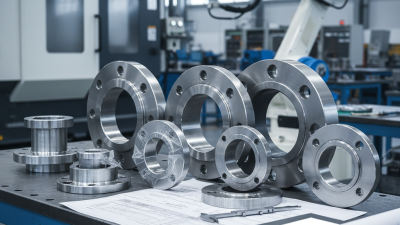
What is the Importance of Spare Parts in Modern Manufacturing?
In modern manufacturing, the role of spare parts is crucial. These components ensure that production lines run smoothly and efficiently. Delays in obtaining spare parts can lead to significant downtime and financial loss. Manufacturers increasingly rely on these essential items for maintenance and repairs.
Spare parts come in various forms, from simple nuts and bolts to complex machinery components. The diversity of these parts highlights their importance in operational continuity. However, managing spare parts can be challenging. Inventory management requires precision and forecasting skills. Miscalculations can result in surplus stock or shortages, both of which are costly.
Organizations must establish robust systems for spare parts management. This ensures reliability in their supply chain and production processes. Yet, the emphasis on spare parts should not overshadow the value of preventive maintenance. Striking a balance between availability and upkeep can enhance efficiency. This multifaceted approach invites reflection on existing practices. Continuous improvement in spare parts management is essential to maintain competitive advantages in the manufacturing landscape.
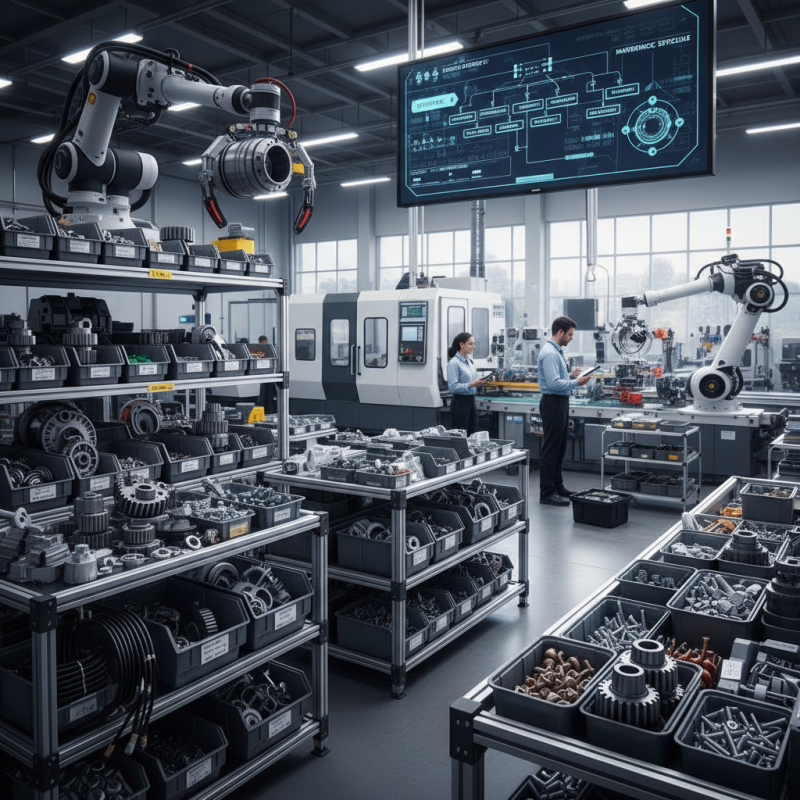
The Role of Spare Parts in Enhancing Manufacturing Efficiency
In modern manufacturing, spare parts play a critical role in enhancing efficiency. Data from industry reports indicates that companies can lose up to 20% of their productivity due to equipment downtime. Spare parts ensure that machines remain operational, reducing delays in production lines. Studies show that proactive inventory management of spare parts can decrease downtime by nearly 25%.
Manufacturers often face challenges in maintaining spare part inventory. A lack of real-time data can lead to overstocking or stockouts. In fact, about 30% of spare parts are often deemed unnecessary. This inefficiency not only ties up capital but also consumes valuable warehouse space. Companies must adopt better analytics to forecast demand accurately.
Moreover, remanufacturing spare parts is gaining traction as a sustainable approach. It can cut costs and reduce waste. Research indicates that remanufactured parts can save up to 80% in material consumption compared to new parts. The balance between immediate needs and long-term strategy is crucial in this context. Finding ways to improve spare part processes can significantly impact overall operational efficiency.
The Importance of Spare Parts in Modern Manufacturing
Impact of Spare Parts Availability on Production Downtime
In modern manufacturing, spare parts play a crucial role in maintaining productivity. Research indicates that the availability of spare parts directly influences production downtime. In fact, a report by the Institute of Advanced Manufacturing estimates that 20% of unplanned downtime is attributed to delayed spare parts. This can lead to significant financial losses, often exceeding hundreds of thousands of dollars per hour.
Manufacturers must recognize the importance of managing inventory effectively. Keeping an optimal stock of critical spare parts can mitigate risks. Delivering parts quickly is essential. An analysis from McKinsey suggests that companies with strategic spare parts management experience 30% less downtime than those that don't. Impacts on output can be severe. When equipment fails, every minute counts.
Tip: Regularly review your spare parts inventory. Identify which components are crucial for operations and ensure they are always available. Consider implementing predictive maintenance to anticipate failures before they happen. This way, you can reduce the need for emergency part procurement, which often leads to additional costs and delays.
It’s not just about having parts on hand but also about their reliability and quality. Manufacturers must critically evaluate suppliers to ensure they can meet demands promptly. Failing to do so can result in unnecessary interruptions in the production process.
Cost-Benefit Analysis of Maintaining Spare Parts Inventory
In modern manufacturing, maintaining a spare parts inventory can significantly impact costs. Research from the Aberdeen Group shows that 70% of manufacturers faced unplanned downtime due to spare parts shortages. This directly correlates to lost revenue and increased operational costs. For instance, every hour of downtime can cost manufacturers between $100,000 and $1 million, depending on the industry.
A cost-benefit analysis is crucial in evaluating spare parts inventory. Maintaining a robust inventory requires investment, typically 20-25% of total maintenance costs. However, having the right parts on hand can reduce repair time by up to 60%. The trade-off lies in balancing cash flow with immediate operational efficiency. Not all spare parts yield equal value, so assessing usage rates helps prioritize inventory.
Critically, a lack of inventory can lead to over-dependence on suppliers. This can delay production lines if parts are back-ordered. While just-in-time inventory strategies sound appealing, they can backfire. Immediate availability mitigates risk but often comes with storage costs. Businesses must scrutinize their inventory strategies, focusing on what parts are necessary while avoiding overstocking that ties up capital.
Technological Advances in Spare Parts Sourcing and Logistics
In modern manufacturing, sourcing spare parts has seen significant changes due to technology. Digital platforms streamline the procurement process. This shift allows manufacturers to access a broader range of suppliers quickly. Geographic barriers are diminishing. Now, manufacturers can source parts from around the globe with just a few clicks.
Logistics also benefit from technological advances. Automation and real-time tracking improve efficiency. This not only speeds up delivery but also enhances transparency. Manufacturers have greater visibility into their supply chains. They can anticipate delays and adjust their strategies accordingly. Yet, relying on technology can pose challenges. Some companies struggle with integration and data management. This creates gaps that may affect production timelines.
A focus on data analytics is changing how manufacturers approach spare parts sourcing. Predictive analysis helps identify needs before they arise. However, this also presents questions about data security and accuracy. Businesses must continuously evaluate their systems to ensure reliability. Balancing innovation with practicality is key to sustainable manufacturing.