
What Is the Polydadmac Manufacturing Process?

Polydadmac Manufacturing Process describes how diallyldimethylammonium chloride, commonly called DADMAC, is converted into a water-soluble cationic polymer. The chemistry sounds straightforward. Production requires careful control. Temperature, mixing, initiator selection, and reaction time can influence the final product’s viscosity and molecular-weight profile.

In a typical industrial route, DADMAC is polymerized in an aqueous solution using a suitable free-radical initiator. Operators monitor the reaction as it progresses, since heat builds up and the mixture becomes more viscous. After polymerization, the product may be adjusted to a target concentration, then checked for properties such as solids content, viscosity, appearance, and residual monomer. These measurements help confirm that a batch meets its intended application requirements.

Details vary by grade and manufacturer. There is no single recipe. A process designed for water treatment may not produce the exact product needed for another use, and published descriptions can leave out important operating controls. That is worth remembering. This guide outlines the main production stages, the role of process control, and the quality checks that support consistency. It also distinguishes general manufacturing principles from site-specific operating instructions. Actual production parameters should be established by qualified personnel using validated procedures, suitable equipment, and product specifications. Even small changes can matter. Understanding the process helps buyers and technical teams ask better questions about product performance and documentation.
What Is the Polydadmac Manufacturing Process?

Raw Materials and Preparation for Polydadmac Production

Raw Materials and Preparation for Polydadmac Production

Polydadmac production starts with diallyldimethylammonium chloride, commonly called DADMAC, dissolved in water. PubChem lists DADMAC’s molecular weight as 161.67 g/mol, a useful reference when checking feed calculations and material identity. The other key inputs are purified water and a water-soluble initiator, which starts polymerization. Small details matter. Incoming monomer is checked for concentration, clarity, and contamination before it enters the reactor. A cloudy feed may signal a problem, though appearance alone cannot confirm its cause.

Preparation is more than measuring ingredients. Operators verify tank cleanliness, water quality, and feed-meter calibration, then mix the solution evenly without introducing excess air. The European Commission’s Best Available Techniques Reference Document for the Production of Polymers discusses process control and emissions management as important parts of polymer manufacture; these principles also guide careful Polydadmac feed preparation. Actual recipes and checks vary with product grade and equipment. That variability is easy to underestimate. A batch record should capture raw-material lot numbers, measured quantities, and any adjustment made before polymerization. These records help explain changes in viscosity or performance later, although they cannot replace laboratory testing.
What Is the Polydadmac Manufacturing Process?

Raw materials and a typical preparation sequence for polydadmac production

The bars show process order only—not duration, quantities, or yield. A typical process uses DADMAC monomer, water, and a suitable initiator: prepare the aqueous feed, prepare the initiator feed, conduct controlled polymerization, then cool and finish the product. Materials and operating conditions vary by product grade and process design.

Initiating the Polymerization Reaction

Polydadmac is commonly made by polymerizing diallyldimethylammonium chloride, or DADMAC, in water. The monomer solution is prepared in a clean, compatible reactor, with mixing that keeps the liquid uniform. An initiator then creates the reactive species that link monomer molecules into long polymer chains. The exact recipe varies with the desired molecular weight and product concentration.

Initiation needs careful control. The reaction releases heat, so temperature is monitored and managed to prevent uneven heating. Initiator may be introduced in a controlled manner, according to the validated process. Operators also watch mixing and viscosity: as chains grow, the solution can become thicker and harder to circulate. A clear appearance is not proof of complete conversion. Laboratory testing for residual monomer provides a more reliable check.

Oxygen can interfere with radical polymerization, making reactor preparation and process conditions important. Small changes matter. Records of temperature, feed timing, and test results help explain batch variation and support consistent quality. One point worth reflecting on is that viscosity alone can be misleading; it reflects several conditions, not just chain growth. Safe operation depends on equipment-specific procedures, trained staff, and verified process controls.

Controlling Reaction Conditions and Polymer Growth

In PolyDADMAC production, reaction control shapes both conversion and the polymer’s final behavior. The water-based process commonly polymerizes DADMAC using a radical initiator. Temperature, monomer concentration, initiator feed, and mixing all influence how quickly chains form. Small changes matter. A rising temperature can accelerate the reaction and make heat removal more difficult, especially as the mixture becomes more viscous.

Operators track temperature continuously and adjust feeds to avoid sharp reaction peaks. Good mixing helps distribute heat and initiator evenly; poor circulation can leave hot or monomer-rich zones. Oxygen may interfere with radical polymerization, so limiting air exposure can support more consistent growth. Samples taken during the run help check residual monomer, viscosity, and solids. These measurements are useful, but viscosity alone does not reveal every feature of the polymer.

Chain growth is also affected by initiator level and the reaction’s overall concentration. More initiator may create more growing chains, which can change average chain length; the outcome depends on the full formulation and operating conditions. There is no universal setting that fits every reactor. Scale-up deserves extra caution: heat transfer and mixing do not increase in step with vessel size. A process that looks steady in a small vessel may behave differently at production scale. Even well-controlled batches can vary slightly, so established test methods and documented operating limits remain important.

What Is the Polydadmac Manufacturing Process? - Controlling Reaction Conditions and Polymer Growth

Process stage Typical conditions or inputs Key control Purpose and effect on polymer growth
1. Prepare the aqueous charge Diallyldimethylammonium chloride (DADMAC) dissolved in water; monomer concentration is selected for the intended product and reactor setup. Check monomer concentration, water quality, and charge homogeneity. Sets the solids level and affects heat removal, mixing, and the viscosity of the polymer solution.
2. Reduce oxygen Deaerate the aqueous mixture or use an inert-gas blanket where required by the process design. Limit air ingress before and during initiation. Oxygen can inhibit free-radical polymerization, which may delay initiation or lead to uneven conversion.
3. Initiate polymerization A water-soluble free-radical initiator, such as a persulfate-based initiator, is commonly used. Initiator choice and dosage depend on the formulation. Control initiator addition and confirm the reactor is within the specified temperature range. Initiator decomposition produces radicals that start polymer-chain growth. The initiator system also influences reaction rate and molecular weight.
4. Manage reaction temperature A controlled, formulation-dependent temperature profile is used; aqueous DADMAC polymerizations commonly operate in a moderate heated range, often approximately 50–80 °C. Monitor temperature continuously and provide adequate cooling for the exothermic reaction. Temperature affects initiator decomposition, reaction speed, heat release, and polymer properties. Excessive temperature excursions can make growth difficult to control.
5. Control feed and mixing Depending on the process, monomer or initiator may be charged initially or added gradually; mixing is maintained as viscosity increases. Avoid local concentration and temperature gradients; use a feed rate matched to heat-removal capacity. Controlled addition helps moderate the reaction rate and supports more uniform polymer growth throughout the reactor.
6. Follow conversion and reaction endpoint Track the reaction using validated plant methods, such as temperature and reaction-time trends, supported by residual-monomer analysis. Use a defined sampling and analytical procedure; avoid relying on temperature alone to determine conversion. Confirms that polymerization has progressed to the product specification and helps identify incomplete or inconsistent batches.
7. Cool and adjust the solution After the reaction reaches its endpoint, cool under controlled conditions; adjust dilution or other permitted formulation parameters as specified. Maintain agitation and verify final solids, appearance, and viscosity using product-specific methods. Cooling slows further reaction and prepares the aqueous polydadmac solution for quality checks and transfer.
8. Test and release Typical checks include appearance, solids content, viscosity, pH, and residual DADMAC, according to the applicable product specification. Compare results with established specifications and retain batch records. Confirms consistency and suitability for the intended application before packaging or further processing.

Note: Conditions shown are general process guidance, not universal production specifications. Actual operating limits depend on reactor design, formulation, safety assessment, and required product properties.

Finishing, Diluting, and Packaging the Product

After polymerization, the finished polydadmac solution is cooled and transferred to a blending tank. Operators check solids content, viscosity, pH, and appearance against the batch specification. A clear sample matters, but it cannot replace laboratory testing. If dilution is required, treated water is added gradually under steady agitation. This helps prevent uneven concentration and excessive foaming. Temperature and mixing speed are recorded because both can affect viscosity and transfer behavior. Small details matter. One practical limitation: not every batch responds identically, so fixed mixing times should be verified against test results.

Before filling, the solution may pass through a suitable screen to catch foreign particles. The product is then filled into compatible, sealed containers, such as drums or intermediate bulk containers, with labels stating concentration, batch number, and handling information. Packaging compatibility should be checked over time; a material that looks sound on filling day may still fail during storage. Plastics Europe’s Plastics—The Fast Facts 2023 reports that packaging represented 39.1% of European plastics converter demand in 2022. That figure shows packaging’s industrial scale, not which container suits polydadmac. Leak checks, clean filling connections, and careful closure inspection remain essential.

Quality Testing and Process Control

Quality testing and process control begin with consistent sampling. During Polydadmac production, operators can track reactor temperature, feed rate, mixing, and reaction time against validated operating limits. Small shifts matter. Test finished batches for active content, viscosity, pH, color, charge density, and residual monomer using documented methods. Keep samples from different stages; a final test alone may miss when a deviation began. ISO 9001:2015 supports monitoring and measurement of production processes, but it does not set Polydadmac product limits. Each manufacturer must validate its own specifications.

Performance checks should include jar tests with representative raw water. Record dose, mixing conditions, settling time, and treated-water clarity. The World Health Organization’s Guidelines for Drinking-water Quality (2022) indicate that turbidity should be consistently below 1 NTU for effective disinfection. This is a treatment benchmark, not a Polydadmac release specification. No test catches everything. Water chemistry changes, and lab results may not fully predict plant performance.

Tips: Use calibrated instruments and retain batch records. Compare results with control charts, then investigate trends before they become failures. Recheck samples when results look unusually good, too. That step is easy to skip.

Get In Touch

Drop Us A Message

    Our Contact Details

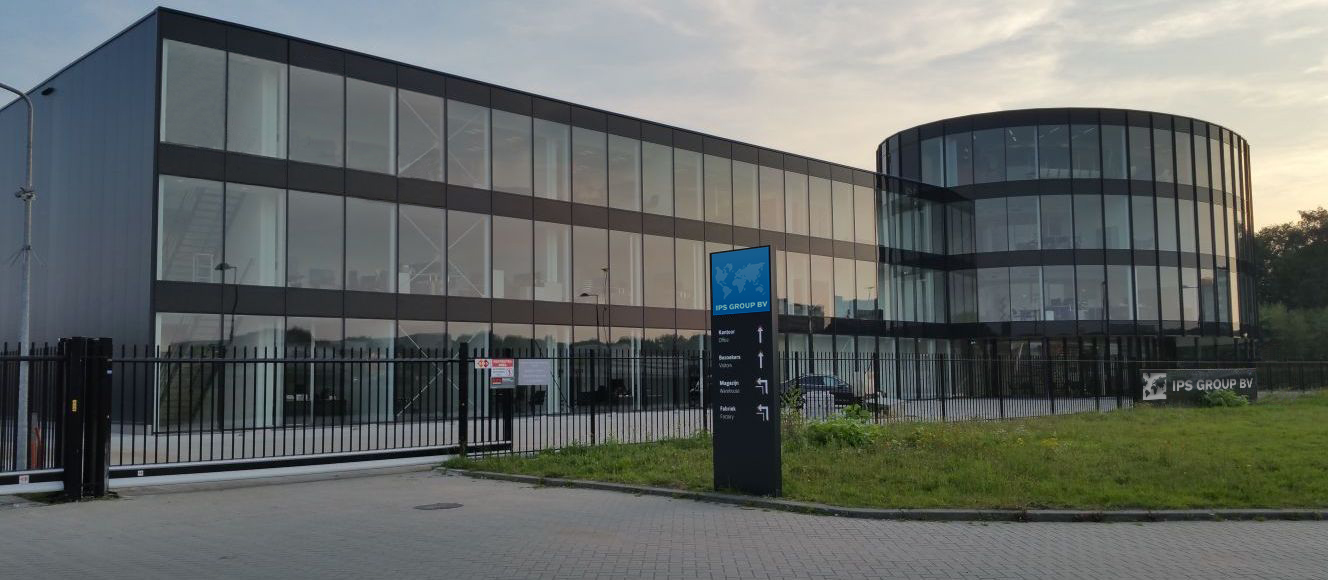
    • IPS Group BV | Head Office (NB), Technopol 4, 5026 SB Tilburg, The Netherlands

      IPS Group BV | Rhijnspoor 239, 2901 LB Capelle a/d IJssel, The Netherlands
    • sale@qbhardware.org
    • +31 (0) 10 303 2625