
10 Steel Plate Buying Tips for Global Buyers

Buying Steel Plates across borders is rarely a simple price comparison. A low quotation can hide unsuitable grades, loose tolerances, or expensive port delays. Global buyers need a purchasing method grounded in mill experience, technical documents, and careful supplier verification.

This guide presents ten practical buying tips for international steel transactions. It considers grade selection, plate dimensions, thickness tolerances, surface condition, and certification requirements. A reliable supplier should provide traceable heat numbers, mill test certificates, inspection records, and clear production timelines. Buyers should also compare shipping terms, packaging quality, insurance responsibilities, and destination-port procedures before approving an order.

Small details matter. A 2-millimeter thickness difference can affect fabrication planning. A wet wooden skid can damage plates before delivery. Unclear Incoterms may create unexpected freight or customs costs. Checking applicable standards and import requirements remains essential, even when the supplier appears experienced. Independent inspection can add cost, but it may prevent a much larger loss.

No checklist is flawless. In practice, buyers may overlook a coating requirement or assume a certificate covers every plate. That is why each order deserves a written review between procurement, engineering, quality, and logistics teams. Good decisions come from evidence, not urgency. These tips are designed to support clearer comparisons, stronger supplier communication, and more dependable steel purchasing outcomes in international markets.
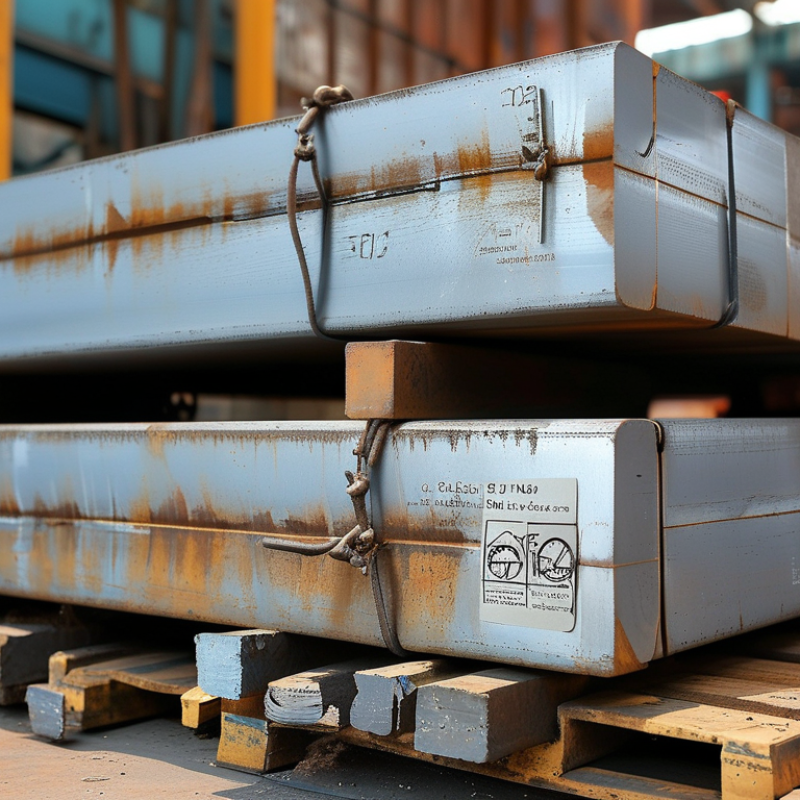
10 Steel Plate Buying Tips for Global Buyers

Define Steel Plate Requirements and Application Conditions

10 Steel Plate Buying Tips for Global Buyers

Define Steel Plate Requirements and Application Conditions

A steel plate is only suitable when its requirements match the actual working environment. Describe the application clearly, including bridges, pressure equipment, machinery, storage tanks, or structural frames. Each use demands different strength, toughness, weldability, and corrosion resistance. Do not specify tensile strength alone. Plate thickness, width, length, and permitted tolerances should match the fabrication process and installation space.

Consider operating temperature, loading cycles, impact risk, humidity, chemicals, and exposure to seawater. A plate used outdoors may need stronger corrosion protection than one installed indoors. For welded structures, confirm carbon equivalent and welding procedure requirements before purchasing. I have seen buyers select a high-strength grade, then discover it performs poorly during welding. That mistake is expensive. Ask for the applicable international standard, heat treatment condition, test requirements, and inspection documents. Require traceability from heat number to test certificate. Details matter.

Clarify whether the plate will be cut, bent, machined, or welded after delivery. Cutting losses can change the practical quantity, especially with irregular layouts. State surface condition requirements, such as descaling, blasting, or coating preparation. Be honest about uncertainty. Some project conditions are estimated too early, and those assumptions later create disputes. A written technical specification should separate essential requirements from preferred features. This makes quotations easier to compare and reduces the chance of paying for properties the application never needs.

Steel Plate Buying Tips: Define Requirements and Application Conditions

Typical thickness ranges help global buyers match steel plate specifications to the intended application. Final requirements should be confirmed against the applicable standard, design code, loading conditions, temperature, corrosion exposure, and fabrication method.

Select the Right Grade, Thickness, Size, and Surface Finish

10 Steel Plate Buying Tips for Global Buyers

Global buyers need more than a low price. In 2023, world crude steel production reached 1,892.2 million tonnes, according to World Steel in Figures 2024. This scale creates many supply options, but quality can vary between mills, regions, and batches. I have learned that the correct grade starts with the service environment. Check yield strength, tensile strength, impact performance, weldability, and corrosion exposure. Do not treat an equivalent grade as automatically identical. It may not be.

Tips: Match the grade to the design code and operating temperature. Ask for a mill test certificate, heat number, chemical analysis, and mechanical results. Verify the certificate independently when the application is critical.

Thickness affects strength, weight, fabrication, and delivery cost. A 12 mm plate may measure differently after rolling and finishing, so confirm the permitted tolerance in the purchase specification. EN 10029 and ASTM standards define different tolerance systems. Compare like with like. Small differences matter.

Tips: State nominal thickness, minimum permitted thickness, plate length, width, flatness, and cutting allowance. Confirm whether dimensions are measured before or after shot blasting. For surface finish, specify as-rolled, shot-blasted, primed, or machined. Inspect rust, scale, pits, scratches, and coating coverage under clear lighting. Surface appearance can hide deeper problems. I still recommend a sample inspection before approving a large shipment.

Verify Supplier Qualifications, Certifications, and Production Capacity

Before ordering steel plate, verify the supplier’s legal registration, manufacturing address, and ownership structure. A trading office may not control production. Ask for the mill’s process flow, equipment list, and recent production records. The World Steel Association reported global crude steel output of about 1.89 billion tonnes in 2023. This scale creates many sourcing options, but it also makes supplier screening essential.

Request valid quality certificates, not scanned logos alone. Check the certificate number, issuing body, scope, expiry date, and material standard. For each batch, require a heat number and an EN 10204 3.1 inspection document. Match the heat number with the plate markings and test results. Chemical composition, yield strength, tensile strength, and impact testing should agree. A certificate alone proves little.

Confirm real production capacity against your delivery schedule. Ask for monthly output, current orders, rolling equipment, plate thickness limits, and normal lead times. OECD steel reports continue to highlight global excess-capacity pressure, so unusually low prices deserve careful review. Request a recent factory audit, production photographs, and a video call from the shop floor. Check carefully. Capacity claims can be overstated. I would also compare promised output with dispatch records from previous orders. That step is often missed. A supplier may pass document checks yet lack stable raw-material access, testing capacity, or export coordination. Small gaps become expensive delays.

Compare Prices, Trade Terms, Payment Options, and Delivery Schedules

Buying steel plate internationally requires more than comparing the lowest number. A cheaper quote may exclude inland freight, inspection, or export packing. Check the grade, thickness tolerance, plate size, and test documents line by line. Ask whether the quoted price covers a metric ton or one plate. This small detail can change the budget. Not always. Create a landed-cost sheet with currency, insurance, customs charges, and bank fees. I once focused too heavily on unit price. That was a costly lesson.

Compare trade terms carefully. FOB may suit buyers with strong shipping arrangements, while CIF can simplify ocean freight planning. DAP may offer convenience, but confirm who handles import clearance and local taxes. Payment options also affect risk and cash flow. Consider a deposit, production balance, and document release structure. Use clear milestones linked to inspection records. Do not rely on vague promises. Bank charges can also reduce the final value received.

Delivery schedules need practical detail. Request production time, inspection time, port handling time, and estimated transit separately. A promised ship date is not the same as an arrival date. Weather happens. Port congestion happens too. Add a reasonable buffer before scheduling fabrication or construction work. Ask for updates when steel is cut, inspected, packed, and loaded. My own planning has sometimes been too optimistic, especially during busy seasons. A written schedule helps, but regular communication matters more.

Inspect Quality and Confirm Packaging, Documentation, and After-Sales Support

When buying steel plate internationally, inspect quality before discussing final price. I have seen small surface defects become costly after cutting and welding. Check the plate edges, corners, flatness, and visible rust. Use a calibrated thickness gauge at several points. One reading is not enough. Compare the measured thickness with the purchase specification and permitted tolerance.

Record the heat number on every bundle and match it with the mill test certificate. The certificate should show chemical composition, mechanical results, heat treatment, dimensions, and testing standards. Ask for inspection photos taken before loading. Packaging deserves equal attention. Plates should be separated with strong spacers, protected from rain, and secured against movement inside the container. Wet timber, loose straps, or exposed edges can create avoidable damage. I once accepted unclear packing photos, and the delivered plates arrived with rubbed corners. That was my mistake. Request clear shipping marks, bundle numbers, weight lists, invoices, packing lists, certificates of origin, and transport documents. Check that every document uses consistent quantities and heat numbers. Keep a written record of approvals. After-sales support should include a named contact, response times, and a practical claim process. Ask how shortages, corrosion, or dimensional disputes will be handled. Good suppliers respond with evidence, not vague promises. Still, even careful inspections cannot remove every risk. Build a reasonable inspection window into the contract.

10 Steel Plate Buying Tips for Global Buyers — Inspect Quality and Confirm Packaging, Documentation, and After-Sales Support

No. Buying Dimension What to Verify Practical Inspection or Evidence Useful Acceptance Benchmark Recommended Buyer Action
1 Define the steel grade and applicable standard Confirm the exact grade, product standard, delivery condition, and intended application before requesting quotations. Compare the purchase specification with the relevant standard, such as ASTM, EN, JIS, or another contractually agreed standard. The quotation should identify grade, standard, heat-treatment condition, thickness range, and surface condition without ambiguous terms. Place the technical specification in the purchase order and require written approval for any substitution.
2 Check dimensions and dimensional tolerances Verify thickness, width, length, flatness, squareness, and edge condition. Use calibrated micrometers, steel tapes, straightedges, and a documented sampling plan. Measure at multiple points rather than at one location only. Measured values must comply with the dimensional tolerances stated in the applicable product standard or contract. Record actual measurements by plate number or bundle number and retain the inspection record with the shipment file.
3 Inspect surface quality Look for laminations, cracks, seams, deep pits, excessive scale, dents, rust, and unauthorized repairs. Perform visual inspection under adequate lighting. Use additional ultrasonic testing when internal discontinuities could affect fabrication or service. The surface should meet the agreed standard and should not contain defects that reduce the required thickness or service performance. Define acceptable repair limits in advance and request photographs or a nonconformance report for disputed defects.
4 Verify chemical composition Check carbon, manganese, silicon, phosphorus, sulfur, and any alloying elements required by the grade. Review the heat analysis on the material certificate and, for critical orders, perform positive material identification or independent laboratory testing. Each reported element must fall within the limits of the specified grade and standard; heat numbers must be traceable. Do not accept certificates that show only generic grade names without heat-specific chemical results.
5 Confirm mechanical properties Verify yield strength, tensile strength, elongation, impact toughness, and hardness where applicable. Review heat-specific test results and the test temperature for impact values. Confirm that the testing direction and specimen requirements match the specification. Results must satisfy the minimum or maximum values specified for the grade, thickness range, and delivery condition. For safety-critical applications, request an agreed third-party inspection or witness testing before shipment.
6 Ensure full material traceability Match each plate or bundle with its heat number, batch number, dimensions, grade, and certificate. Check that markings remain legible and correspond exactly to the packing list, mill test certificate, inspection report, and invoice. A continuous traceability chain should exist from the produced heat to the delivered plate or bundle. Require permanent or weather-resistant identification and photograph the markings before loading.
7 Review packaging and protection for transport Assess skid strength, bundle security, corner protection, lifting points, moisture control, and corrosion protection. Confirm bundle weight, lifting method, blocking arrangement, water-drainage capability, and suitability for the planned sea, road, or rail route. Packaging should prevent shifting, impact damage, prolonged water retention, and loss of identification during normal transport and handling. Specify maximum bundle weight, preferred lifting method, export packaging requirements, and photo evidence before dispatch.
8 Confirm documentation and export records Check commercial invoice, packing list, bill of lading details, certificate of origin when required, material certificate, and inspection documents. Verify consistency of product description, quantity, net and gross weight, heat numbers, dimensions, country of origin, and consignee information. All documents should use matching identifiers and quantities and should comply with customs, contract, and destination-country requirements. Request draft documents before shipment so discrepancies can be corrected before the original documents are issued.
9 Evaluate loading and delivery controls Review loading sequence, container or truck capacity, moisture exposure, transit time, port handling, and delivery terms. Use loading photographs, a signed loading checklist, seal numbers where applicable, and a delivery schedule with agreed milestone updates. The transport plan should keep the cargo within safe weight limits and preserve packaging, markings, and documents throughout transit. Agree on notification procedures for delays, visible damage, container problems, or route changes.
10 Clarify after-sales support and claims handling Establish the process for shortages, dimensional nonconformity, surface defects, documentation errors, and transport damage. Confirm contact channels, response times, required evidence, inspection responsibilities, replacement or credit procedures, and claim deadlines. The contract should define a written nonconformance process, evidence requirements, corrective-action timing, and responsibility for reasonable inspection costs. Keep samples, photographs, delivery records, inspection results, and packaging evidence until the agreed claim period has ended.

Note: Acceptance criteria should always be aligned with the applicable product standard, approved technical specification, purchase contract, and destination-country requirements.

Get In Touch

Drop Us A Message

    Our Contact Details

    • IPS Group BV | Head Office (NB), Technopol 4, 5026 SB Tilburg, The Netherlands

      IPS Group BV | Rhijnspoor 239, 2901 LB Capelle a/d IJssel, The Netherlands
    • sale@qbhardware.org
    • +31 (0) 10 303 2625