What is a Control Valve and How Does it Work?
Control valves are pivotal components in various industries, controlling fluid flow and pressure. According to the Global Control Valve Market Report, the industry is expected to grow by over 6% annually from 2022 to 2030. This growth is driven by the increasing demand for automation and process efficiency in sectors like oil and gas, chemical manufacturing, and water treatment.
Understanding how a control valve operates is crucial for engineers and operators. These devices adjust the flow rate by varying the size of the passage through which the fluid flows. Their ability to manage, maintain, and control processes makes them indispensable. Yet, many overlook the importance of selecting the right type of control valve for their specific needs. Inadequate choices could lead to system inefficiencies or failures, raising operational costs.
The reliability and precision of control valves greatly impact overall system performance. While extensive data exists on the effectiveness of various valve types, practical challenges remain. Operators must adapt to fluctuating conditions, which complicates the decision-making process. A well-functioning control valve can increase safety and improve productivity, but its nuances demand careful consideration.
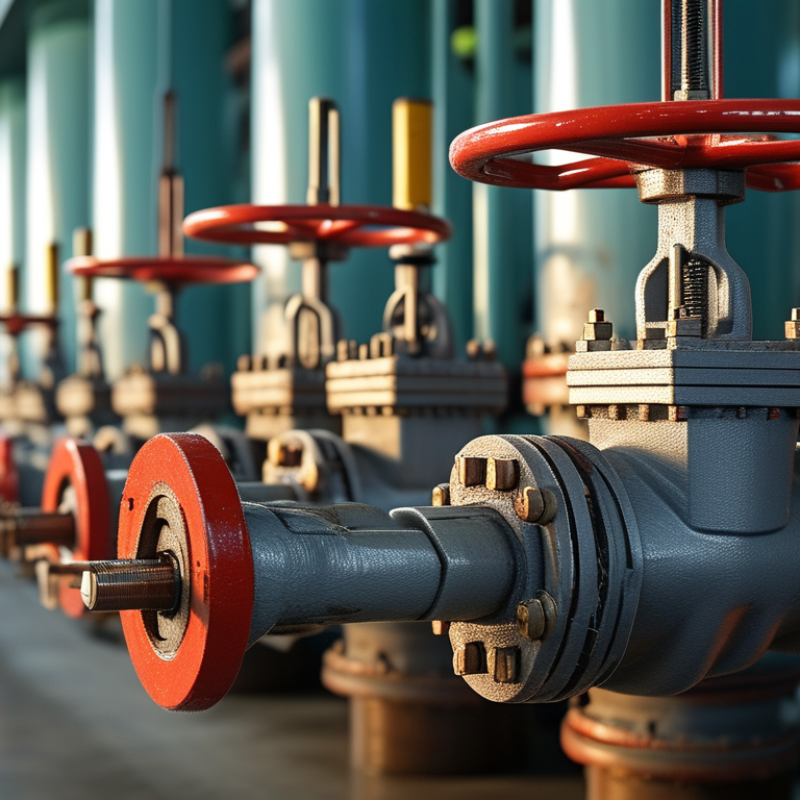
What is a Control Valve? Definition and Purpose in Process Control
A control valve is a critical component in process control systems. Its primary purpose is to regulate fluid flow, pressure, and temperature within various industrial applications. According to a report by the Control Valve Market Analysis, the market for control valves is expected to reach $9.5 billion by 2025, highlighting their significance in enhancing operational efficiency.
Control valves can be categorized into two main types: linear and rotary. Each type serves distinct applications based on process requirements. Linear valves generally manage flow rates, while rotary valves are often used for throttling. Research indicates that proper valve selection can reduce energy consumption by up to 30%. However, many industries struggle with correct sizing and selection, which can lead to inefficiencies and increased costs.
In practice, the performance of control valves may not always meet expectations. Issues such as cavitation, valve stiction, and improper configuration can negatively impact process stability. Understanding the cause and effect of these issues requires experience and knowledge. Regular maintenance is essential to ensure the reliable operation of control valves. Without it, even the most advanced systems could falter, resulting in significant downtime and loss.
Types of Control Valves: Globe, Ball, Butterfly, and More
Control valves are essential in various industrial systems. They regulate the flow of fluids, ensuring optimal performance. Among the common types of control valves, globe valves, ball valves, and butterfly valves stand out. Each type has distinct characteristics and applications.
Globe valves are designed for precise flow control. They have a spherical body and a movable disk that can be adjusted. This feature allows for fine tuning in various processes. However, their higher pressure drop might not be ideal for all applications.
Ball valves, on the other hand, offer quick shut-off capabilities. They consist of a hollow ball that rotates to open or close the flow. This design makes them efficient but can lead to less gradual control.
Butterfly valves are lightweight and cost-effective. They use a rotating disc to control the flow, making them simple to install. Yet, they may not perform as well under high-pressure conditions. Understanding these nuances aids in selecting the right control valve for specific tasks. Each type presents unique strengths and weaknesses, requiring thoughtful consideration during system design.
How Control Valves Operate: Mechanisms and Actuation Methods
Control valves are crucial in managing fluid flow in various systems. They work by adjusting the size of the flow passage. Understanding their operation mechanisms and actuation methods is essential for optimizing performance in industrial applications.
Control valves can utilize pneumatic, electric, or hydraulic actuation methods. Each method has its benefits and limitations. According to a recent market analysis by Research and Markets, the global control valve market is projected to grow at a CAGR of 6.2% from 2021 to 2026. This growth underscores the importance of effective and reliable valve control in maintaining system integrity.
When selecting a control valve, consider its response time and stability. A slow response can lead to inefficiencies. Proper calibration is vital for achieving optimal performance. Ensure that the actuator type aligns with your system’s specific needs.
Tips: Regular maintenance is key. Inspecting seals and fittings can prevent leaks and improve operation. Using the appropriate actuator can enhance control precision. Recognize that even the best systems require periodic adjustments and reviews.
Key Performance Metrics: Cv, Pressure Drop, and Flow Coefficient
Control valves play a crucial role in managing the flow of fluids in various systems. Understanding key performance metrics, like flow coefficient (Cv) and pressure drop, is essential for optimizing their functionality. Cv measures how efficiently a valve can pass fluid, with higher values indicating better flow capacity. For example, a valve with a Cv of 10 can move more fluid than a valve with a Cv of 5. This quantification is critical, particularly in industrial applications where precision is vital.
Pressure drop is another important metric. It refers to the reduction in pressure as fluid flows through a valve. Excessive pressure drops can disrupt system efficiency. According to a 2021 report by the Flow Control Institute, an optimal pressure drop should generally not exceed 10-15% of the system pressure.
Choosing the right valve with the appropriate Cv and managing pressure drop can significantly enhance performance. However, balancing these metrics can be challenging. In practice, engineers often find themselves recalibrating to achieve the desired flow without compromising system integrity. This iterative process is key to long-term success.
Applications of Control Valves in Industries: Oil, Gas, and Water Treatment
Control valves play a crucial role in various industries, particularly in oil, gas, and water treatment sectors. In the oil industry, control valves manage the flow of crude oil and refined products. They help maintain pressure and temperature, ensuring efficient processing. According to a report by ResearchAndMarkets, the global control valve market in oil and gas is expected to exceed $3.8 billion by 2024. This growing demand highlights the valve's essential function in maximizing production efficiency and minimizing environmental impact.
In water treatment facilities, control valves regulate water flow for purification processes. They help adjust chemical dosages and control filtration rates. A survey from the WaterWorld report revealed that around 30% of facilities reported operational inefficiencies stemming from outdated valve systems. This shows a need for modernization. Similarly, natural gas processing facilities rely on accurate valve control to prevent leaks and ensure safety. The challenges here include meeting stringent environmental regulations while maintaining performance.
Control valves are vital in these applications. Their design and functionality directly impact productivity and safety. However, many industries still face issues with malfunctioning valves. This can disrupt operations and increase costs. Continuous monitoring and upgrading are essential practices that industries must embrace for improved reliability and efficiency.