
How to Choose the Best Carbon Padel Racket in 2026

Choosing a carbon padel racket in 2026 is not simply a matter of buying the lightest or most expensive model. The right choice depends on your playing level, swing style, physical comfort, and the kind of shots you use most. A racket that feels powerful during a brief shop test may become tiring during a long match. Small details matter.

This guide explains how carbon construction, racket shape, balance, weight, and core firmness can affect control and power. It also considers grip comfort, durability, and value, so you can compare specifications without relying on marketing claims alone. Look for clear information about the racket’s materials and design, then assess whether those features suit your needs. If possible, handle the racket or try it on court before committing. Feel matters, too.

There is no universally best option. A harder face may suit an experienced player seeking sharper responses, while a more forgiving setup can help beginners build consistency. Even these distinctions are not absolute; technique and personal preference can change the result. One easy mistake is choosing by carbon content alone. Carbon quality, construction, and overall balance all count. Use the recommendations ahead as practical guidance, not a guarantee of performance. Your best carbon padel racket should feel manageable at the net, stable on defensive returns, and comfortable after repeated swings. Comfort can be overlooked. That deserves a second thought.
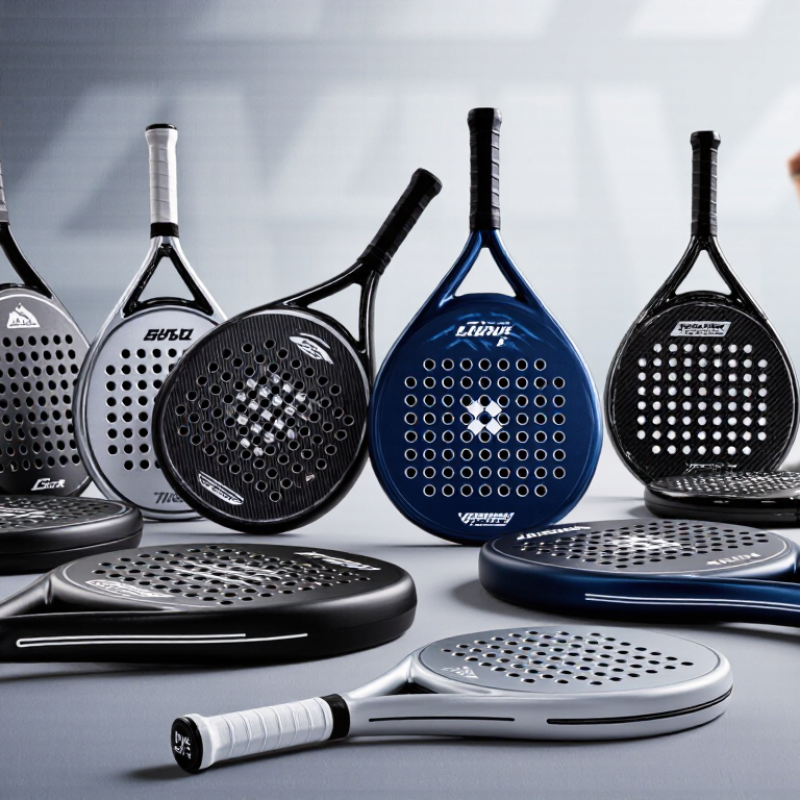
How to Choose the Best Carbon Padel Racket in 2026

Define Your Playing Style, Skill Level, and Priorities

How to Choose the Best Carbon Padel Racket in 2026

Define Your Playing Style, Skill Level, and Priorities

Start with your habits on court, not the word “carbon.” If you often defend from the back, a control-focused racket can make low, awkward balls easier to manage. If you move forward and finish points, you may prefer a more attack-oriented balance. Carbon construction can feel firm, but the racket’s shape, balance, and core also affect how it plays. Feel the difference.

Your skill level matters, too. Newer players may benefit from a larger sweet spot and a forgiving response, especially when contact is slightly off-centre. Experienced players might value sharper feedback or extra power, but those traits can demand cleaner timing. Think about comfort and arm fatigue, not only smash speed. A racket that looks impressive can still feel tiring after a long match. I would not choose from specifications alone; court feel is personal, and my own first impression can be wrong.

Tips: Try several rackets during a real session, if possible. Notice how easily you defend, volley, and recover between shots. Compare weight and balance with your current racket, and check whether the grip feels secure. Ask a qualified coach to observe your play. Record what feels helpful, and what merely feels powerful.

Understand Carbon Types, Racket Shapes, and Construction

When choosing the best carbon padel racket in 2026, look beyond the number printed beside “K.” A 3K label usually refers to the number of carbon filaments in a tow, not overall racket quality. More carbon does not automatically mean more power. Resin, layer direction, frame design, and core all affect feel and durability. Fiberglass faces often feel more forgiving, while carbon faces can feel firmer. Still, material labels can mislead. Feel matters.

Shape changes where the racket works best. Round heads generally offer a broad, central sweet spot and easier control. Diamond shapes tend to shift weight and impact higher, which can reward confident attacking swings. Teardrop shapes sit between those tendencies, though balance varies by model. The International Padel Federation’s World Padel Report estimated roughly 25 million players across 90 countries, reflecting a wide range of skill levels and playing styles.

Check how the face, frame, and foam core work together. A softer core may absorb impact and feel comfortable on cold mornings; a firmer one can feel more direct, but may punish off-center hits. Hold the racket and test a few controlled volleys if possible. A spec sheet cannot show everything. Even experienced players sometimes choose stiffness over comfort, then regret it after a long match.

How to Choose the Best Carbon Padel Racket in 2026 — Understand Carbon Types, Racket Shapes, and Construction

Decision Factor What It Means Common Options and Facts How to Choose
Carbon fiber face Carbon fiber is used in the hitting faces for stiffness and structural support. The finished feel also depends on the resin, layup, core, and racket design. Faces may use carbon fiber, fiberglass, or a blend. Carbon faces are generally stiffer than fiberglass faces, though the exact feel differs between constructions. Consider carbon if you prefer a firmer response or play regularly. A fiberglass face can feel more forgiving and accessible to some players.
Carbon tow labels Labels such as 3K, 12K, and 18K refer to the approximate number of filaments in a carbon tow, not a universal racket-quality ranking. A higher K number does not automatically mean a stronger, better, or more powerful racket. Fiber grade, weave, resin, and layup all matter. Use the label as one construction detail, not as the deciding factor. Compare the racket’s feel, balance, shape, and core as well.
Racket shape Shape influences the approximate location of the sweet spot and how the racket tends to distribute its mass. Round shapes are commonly designed for control; teardrop shapes aim for a balance of control and power; diamond shapes often favor attacking play. These are general tendencies, not guarantees. Choose round for easier control, teardrop for an all-court mix, or diamond if you can comfortably handle a more demanding attacking racket.
Balance point Balance describes how weight is distributed between the handle and racket head. It is separate from total weight. Lower balance generally feels easier to maneuver; higher balance can add leverage for overhead shots but may feel less quick in defense. Prioritize maneuverability if you value fast reactions at the net or defend frequently. Try a higher-balance racket if overhead power is a priority and it feels comfortable.
Core material The foam core affects impact feel, rebound, and comfort. EVA foam is a common core material in padel rackets. Soft, medium, and firm descriptions are useful comparisons, but softness labels are not standardized across manufacturers. Temperature and playing conditions can also affect perceived feel. A softer-feeling core may feel more comfortable and responsive at lower swing speeds. A firmer-feeling core may suit players who prefer a more direct response.
Frame construction The frame supports the racket and may be made from carbon fiber, fiberglass, or a combination of materials. Material alone does not determine durability. Frame geometry, layup, impact history, and care all influence how well a racket holds up. Look for a construction that matches your expected use and inspect the frame regularly for cracks or damage, especially after hard impacts.
Weight Total racket weight affects handling and swing effort. Adult padel rackets commonly fall around 350–375 g, although models and individual preferences vary. Even a small weight difference can change how a racket feels during repeated swings. Added overgrips or protective tape can increase the playing weight. Choose a weight you can move comfortably throughout a full match. Do not select a heavier racket solely to seek more power.
Face texture Some faces have a textured finish intended to increase friction on contact. Texture may help with certain spin-producing strokes, but spin also depends on technique, contact, and the ball. A rough finish does not guarantee more spin. Treat texture as a secondary feature. Prioritize control, comfort, and a shape and balance you can handle consistently.
Overall player fit The best racket is the one that fits your technique, physical comfort, and preferred style of play. Skill level alone does not determine the right racket. Players at the same level can prefer different shapes, balances, weights, and impact feels. When possible, test a racket before buying. Compare handling and comfort during defense, volleys, and overhead shots—not just one powerful hit.

Carbon labels and racket categories are useful starting points, but specifications and playing feel vary by model. Compare the complete construction rather than relying on a single material label.

Compare Weight, Balance, Feel, and Sweet Spot

Choosing a carbon padel racket is not about chasing the lightest frame. Many adult models fall near 350–370 grams, but grip size and balance change how that weight feels. Compare rackets using the same grip and test each for at least ten minutes. Notice whether your wrist stays relaxed during quick volleys. Feel matters. I would not trust my first impression; a lively racket can feel tiring after repeated defensive shots.

Balance shapes maneuverability and power. A head-heavy frame may add punch overhead, but it can slow reaction time at the net. A lower balance often feels easier to reposition, though it may demand a fuller swing. The International Padel Federation’s Rules of Padel limit racket length to 45.5 centimeters and thickness to 38 millimeters; they do not prescribe a preferred weight or balance. That leaves meaningful room for personal fit.

Inspect the sweet spot by hitting gentle balls near the center, then slightly off-center. A forgiving face can keep mishits playable, but no racket erases poor contact. The Playtomic and Deloitte Global Padel Report 2024 counted 43,249 courts across 110 countries at the end of 2023, showing a rapidly broadening playing landscape—not proof that one specification suits everyone. Try your shortlist in match-like rallies. Then reassess. A racket that feels brilliant in warm-up may not suit your actual pace.

How to Choose the Best Carbon Padel Racket in 2026

Compare typical weight ranges and the playing characteristics of common racket profiles.

Round: Usually lighter-feeling, with a lower balance and a large, central sweet spot—often a comfortable choice for control. Teardrop: A versatile middle ground in balance, feel, and sweet spot. Diamond: Often more head-heavy, with a higher sweet spot that can favor attacking shots but may feel less forgiving.

These are broad, typical weight ranges, not specifications for every racket. Feel and sweet spot also depend on the racket’s core, frame, face construction, and shape; carbon content alone does not determine performance.

Match Racket Features to Control, Power, and Comfort

How to Choose the Best Carbon Padel Racket in 2026

Control, power, and comfort depend on the whole racket, not carbon alone. The International Padel Federation’s 2024 World Padel Report estimates more than 30 million players worldwide. Players vary widely, so no single setup suits everyone. A round shape and lower balance can make quick defensive shots easier. A higher balance may add power overhead, but can feel slower at the net. Carbon layup and core firmness also affect feel; “carbon” does not guarantee a particular performance.

Comfort matters during long rallies. A racket that feels lively in a shop may feel harsh after repeated off-center hits. Check the grip size, overall weight, and balance with your own swing. If possible, test several rackets using volleys, lobs, and smashes—not just one big hit. Feel comes first. I’d be cautious about choosing the stiffest option for power; extra force is less useful if your arm tires or your control slips.

Tips: For control, prioritize easy handling and a forgiving face. For power, try a higher balance only if you can swing it smoothly. For comfort, test the grip and vibration during a full session. Note what feels tiring, too; that detail is easy to overlook.

Evaluate Durability, Price, and 2026 Model Options

When comparing 2026 carbon padel rackets, judge construction, not just the carbon label. Carbon-layer counts do not prove strength or lifespan. Check the frame for a reinforced perimeter, inspect the face finish, and read the warranty exclusions. After play, look for paint cracks near the frame and soft spots on the striking surface. Small signs matter. A rough court bag or repeated wall contact can damage a racket, too.

Price depends on local stock and specifications, so compare like with like: weight, balance, core firmness, warranty, and included cover. A round, control-focused model may suit newer players; a teardrop shape offers a middle ground, while a diamond shape usually rewards stronger attacking technique. The FIP World Padel Report 2024 estimates more than 30 million padel players worldwide, a sign of a broadening market—not proof that every new model is better. Treat launch claims cautiously. Try a demo if possible, and note whether the handle feels secure after a full set. I would not choose by price alone; comfort can be oddly hard to judge from a product page.

Get In Touch

Drop Us A Message

    Our Contact Details

    • IPS Group BV | Head Office (NB), Technopol 4, 5026 SB Tilburg, The Netherlands

      IPS Group BV | Rhijnspoor 239, 2901 LB Capelle a/d IJssel, The Netherlands
    • sale@qbhardware.org
    • +31 (0) 10 303 2625