How to Choose the Right Wire Terminal Connectors for Your Needs?
Choosing the right wire terminal connectors is crucial for ensuring secure and efficient electrical connections. These connectors play a vital role in various applications, from industrial equipment to home wiring projects. With countless options available, it can be overwhelming to select the most suitable ones. Understanding the specifics of wire terminal connectors is essential before making a decision.
Each type of connector has unique characteristics. For instance, some may offer better insulation, while others could provide higher conductivity. Additionally, selecting the right size and type is key to achieving reliable performance. A mismatch can lead to short circuits or electrical failures, which may cause costly repairs. This implies that careful consideration is necessary.
Evaluating your needs, such as the environment and load requirements, helps in making an informed choice. Seeking guidance from experienced professionals can also be beneficial. Ensuring you choose the right wire terminal connectors not only enhances the safety of your project but also improves its longevity and effectiveness.
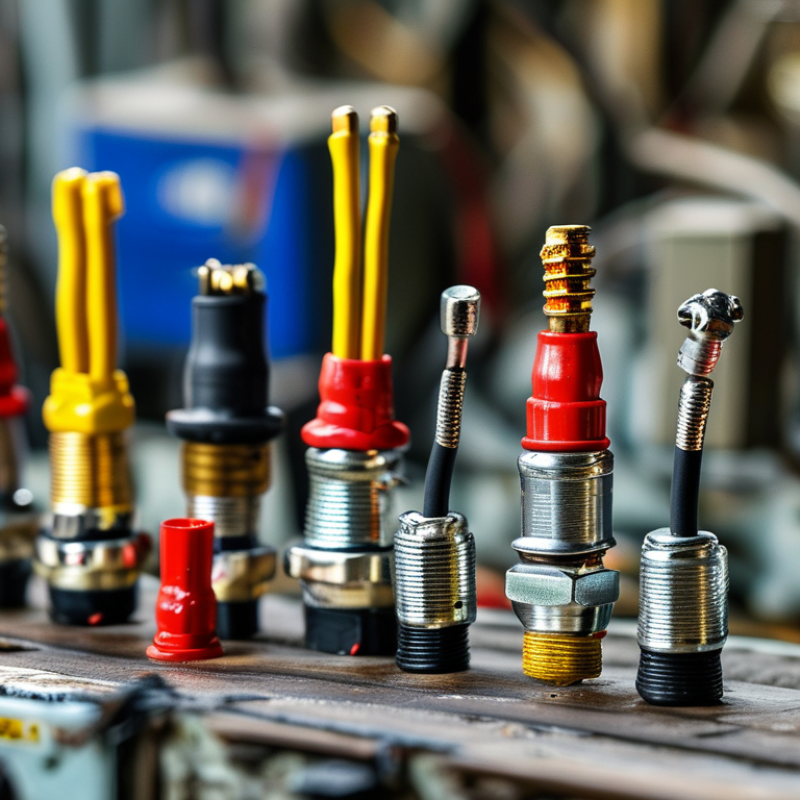
Understanding Different Types of Wire Terminal Connectors
When choosing wire terminal connectors, understanding the various types is essential. Wire terminal connectors serve as the critical link in electrical systems. Different types exist, each designed for specific applications. Solder connectors, for instance, create a strong permanent bond. They work well in spaced-out connections but require soldering skills. Crimp connectors, on the other hand, offer quick solutions. They are ideal for those who want reliability without the need for soldering.
There are also screw-on connectors, which are user-friendly. They allow easy installation and maintenance. However, they may not provide the same stability as solder or crimp types. Push-in connectors feature a simple design, making them suitable for light household projects. Yet, their usage is limited to lighter loads. It's essential to consider these details carefully. Each connector type has its pros and cons. Understanding these can prevent costly mistakes down the line. Always evaluate your project's specific needs before making a decision.
Evaluating the Specifications for Your Wiring Project
When evaluating the specifications for your wiring project, several factors come into play. The wire gauge is crucial. A thicker wire can carry more current, which is essential for high-power applications. Conversely, thinner wires are suitable for low-power uses. Therefore, identify the current requirements before selecting your connectors.
Material matters as well. Connectors made from copper are often preferred for their conductivity. However, some projects may benefit from aluminum connectors. Consider environmental factors too. If your project is outdoors, you may need weather-resistant options. Always double-check ratings, especially voltage and current, to avoid future malfunctions.
In addition to material and gauge, the connector type also plays a significant role. Understanding terminal styles, such as spade or ring connectors, will enhance compatibility with your wiring. Take time to assess your specific needs carefully. Being impulsive here could lead to poor connections. Reflecting on past choices can guide you toward better decisions in the future.
Wire Terminal Connector Types and Their Applications
Assessing the Operating Environment for Terminal Connectors
When selecting wire terminal connectors, understanding the operating environment is crucial. Different environments can severely affect connector performance. Consider factors like temperature, humidity, and exposure to chemicals. Each of these elements can lead to corrosion or degradation over time.
Tips: Always check for corrosion resistance. Look for materials that suit your environment. For outdoor use, UV resistance is vital. In industrial settings, assess vibration and impact levels.
Humidity levels can also impact conductor reliability. Excess moisture fosters corrosion, so waterproof connectors might be necessary. If you work in a dusty area, ensure connectors have protective covers.
Tips: Explore sealed connectors for moisture-rich environments. They offer better longevity and reduced failure rates. Always evaluate if your connectors can withstand unexpected conditions or wear.
Selecting the Right Size and Gauge of Wire for Connections
Choosing the right size and gauge of wire for your terminal connections is crucial. Proper selection helps prevent overheating and ensures reliable conductivity. According to industry standards, wire gauge affects electrical resistance and current-carrying capacity. For instance, a 12-gauge wire can safely carry up to 20 amps, while a 16-gauge wire is limited to 10 amps. Selecting the wrong gauge may lead to wiring failures or even hazards.
When determining wire size, consider the total current load. Also, factor in the wire's length and type of insulation. If the wire is too long, resistance increases. This can cause voltage drops, impacting device performance. Shorter connections usually perform better, reducing potential issues.
Tips: Always double-check your calculations. In reality, many people underestimate their current needs. It is wise to calculate for future expansions as well. Keep an eye on the environment where the wire will be used. High temperatures can affect the wire's effectiveness.
It's vital to keep in mind that using oversized or undersized wires can create problems. Oversized wires may make connections cumbersome. Undersized wires risk overheating. Always strive for the right balance to ensure safety and function.
Considerations for Material and Durability in Connectors
When choosing wire terminal connectors, material and durability are crucial factors. Different materials provide varying levels of conductivity and resistance to environmental wear. Copper connectors, for instance, offer excellent conductivity but can corrode over time. On the other hand, stainless steel connectors resist corrosion and are highly durable, making them ideal for harsh conditions.
Tips: Always check the specifications. Knowing the environment where the connectors will be used helps. If moisture is a risk, opt for connectors with protective coatings.
Durability also relates to the mechanical strength of the connector. A weak connector can fail under stress, leading to potential safety hazards. Consider the gauge and design of the connector; they must suit your application. A mismatched connector could lead to poor connections and performance issues.
Tips: Assess the load requirements. Each application has unique demands. Choose connectors that can withstand the expected stresses. This step is often overlooked but essential for long-term reliability.
How to Choose the Right Wire Terminal Connectors for Your Needs? - Considerations for Material and Durability in Connectors
| Connector Type | Material | Temperature Rating (°C) | Durability | Typical Applications |
| Crimp Connectors | Copper | -40 to 105 | High | Automotive, Electronics |
| Screw Terminal Connectors | Brass | -20 to 70 | Moderate | Power Distribution, Lighting |
| Blade Connectors | Tin-Plated Copper | -40 to 125 | High | Automotive, Consumer Electronics |
| Ring Terminals | Copper | -40 to 105 | High | Battery Connections, Grounding |
| Disconnect Terminals | Brass | -20 to 80 | Moderate | Electrical Appliances, Industrial Control |