How to Choose the Best Gpon Equipment for Your Network Needs?
Choosing the right GPON equipment is crucial for modern network infrastructures. GPON, or Gigabit Passive Optical Network, supports high-speed data transfer, making it essential for businesses today. According to the market research conducted by Allied Market Research, the global GPON equipment market is expected to reach $10.35 billion by 2025. This growth reflects a broader trend towards fiber-to-the-home (FTTH) deployments, emphasizing the vitality of GPON technology in handling increased data demands.
Selecting suitable GPON equipment requires a thorough understanding of specific needs. Common challenges include compatibility, scalability, and future-proofing. For instance, equipment that works well today may not accommodate future bandwidth requirements. A wise choice considers current and anticipated traffic levels, ensuring that businesses maintain efficiency as they grow. Additionally, recognizing that there is no one-size-fits-all solution can help prevent costly mistakes.
When investing in GPON equipment, it’s vital to evaluate vendors carefully. Each vendor may offer different services, warranties, and support options. Make sure to review client testimonials and performance reports. This careful inquiry is key to establishing a reliable network foundation. Ultimately, the right GPON equipment can enhance user experience and sustain long-term operational success in a competitive market.
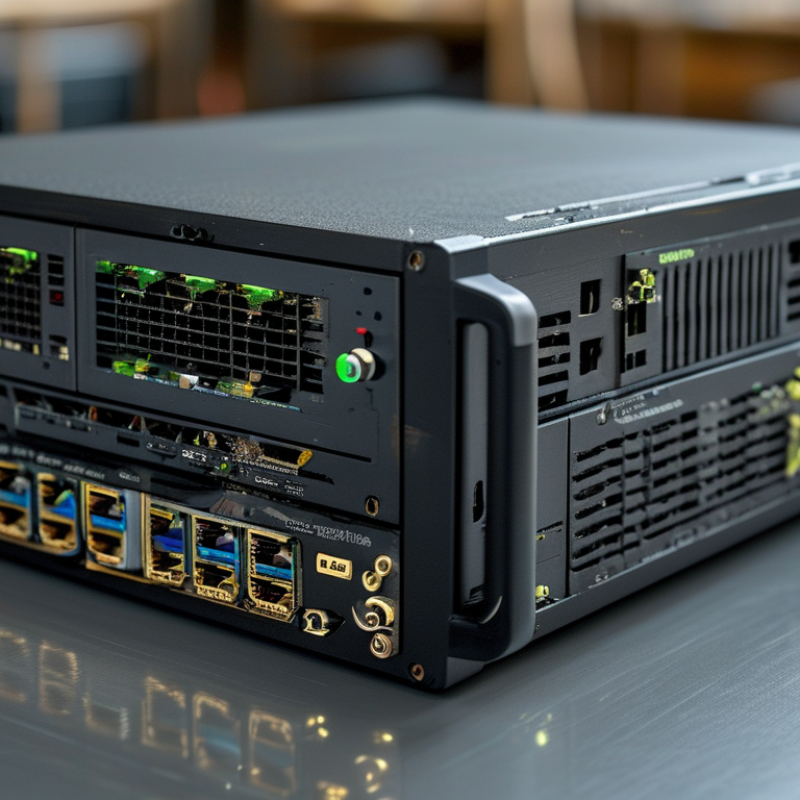
Understanding GPON Technology and Its Benefits
GPON, or Gigabit Passive Optical Network, has transformed broadband connectivity. It provides high-speed internet access by leveraging fiber-optic cables. This technology enables faster data transmission compared to traditional copper networks. With GPON, users experience decreased latency and increased bandwidth, which are vital for today’s data-driven environment.
Utilizing GPON can bring numerous benefits. For instance, it allows multiple users to share the same fiber line without degrading performance. This makes it an ideal choice for residential complexes and business parks. However, the installation cost can be significant. Organizations must assess their immediate needs against future demands. It’s essential to analyze how many users will connect and what services they require. The scalability of GPON is a great asset, although planning for potential growth is complex.
Nevertheless, challenges remain. Not every location is suited for GPON installation due to infrastructure limitations. Additionally, ensuring reliable maintenance can be difficult, particularly in remote areas. Overall, understanding GPON technology is crucial for making informed decisions about network investments. It requires careful thought and consideration of specific network needs.
GPON Equipment Performance Comparison
This bar chart compares different GPON equipment components based on metrics such as bandwidth capacity, latency, and cost efficiency. These metrics help in assessing the suitability of various GPON devices for your network needs.
Identifying Your Network Requirements and Goals
When selecting GPON equipment, accurately identifying your network requirements is essential. Start by assessing the number of users and devices that will connect. A report from the Fiber Optic Association shows that FTTH (Fiber-to-the-Home) solutions can support over 1,000 simultaneous users with high bandwidth needs.
Consider your network goals. Are you focusing on speed, capacity, or reliability? For instance, many enterprises aim for a minimum of 1 Gbps download speed to support various applications. However, it’s common for smaller setups to need only 100 Mbps. Clearly defining these needs can prevent future scalability issues. A study by the Broadband Forum indicates that networks designed without clear goals often face significant underperformance.
Lastly, think about the installation environment. Dense urban areas may require more robust equipment due to interference and higher demand. In contrast, rural areas can often use simpler solutions. This distinction is crucial, but overlooked by many decision-makers. Failure to evaluate these factors can lead to over-investment or, worse, equipment that does not meet operational needs.
Evaluating Different GPON Equipment Types and Options
When evaluating different GPON equipment types, consider your specific network needs. There are various options available, including Optical Line Terminals (OLTs) and Optical Network Units (ONUs). These components play a crucial role in your network's performance. Choosing the right OLT ensures that the backbone of your network can handle the required bandwidth effectively. ONUs will connect to end-users, making their quality a vital factor.
Factor in the scalability of the equipment. Your network may grow over time, and selecting scalable solutions will save you headaches later. It’s essential to gauge not just current bandwidth, but also future demands. Think about possible technology upgrades too. Sometimes, equipment may seem adequate now but could fall short if usage spikes unexpectedly.
Lastly, user experience is critical. Perform tests before making final decisions. You want to determine how each option affects connectivity and speed. It’s worth noting that not every piece of equipment will perform in the same way under real-world conditions. Regular assessments and feedback can help you refine your choices. Getting this right requires ongoing reflection and adjustment.
Comparing Features, Costs, and Performance Metrics
When choosing GPON equipment, comparing features, costs, and performance metrics is essential. The market is flooded with options, making it crucial to focus on reliable data. According to a report by MarketsandMarkets, the global GPON market is projected to reach $10.4 billion by 2026, growing significantly due to increasing demand for high-speed internet. This growth is driven by both consumer and enterprise needs, emphasizing the importance of optimal equipment selection.
Performance metrics play a pivotal role in decision-making. Key specifications include bandwidth capacity, reach, and latency. A reliable GPON solution should provide at least 2.5 Gbps downstream and 1.25 Gbps upstream. The average latency should not exceed 10 ms for optimal user experience. Yet, many providers underestimate the impact of latency on applications like VoIP or gaming. Potential buyers should scrutinize performance reports and benchmark data before making a commitment.
Cost is another critical factor. While many may lean towards cheaper equipment, it’s essential to weigh upfront costs against long-term performance. A study from the Fiber Broadband Association shows that higher initial investments in quality equipment often lead to lower operational costs over time. Balancing performance and price is a common area where users falter. Making the right choice requires careful consideration of all these variables.
Tips for Installing and Maintaining GPON Equipment
Installing and maintaining GPON equipment properly is crucial for ensuring optimal network performance. Begin with a thorough site survey. Assess the physical location and environment where the equipment will be installed. Pay attention to potential interference sources. A clean, dry, and well-ventilated area is essential. Secure adequate power supply and cooling solutions to avoid future issues.
Once the equipment is installed, regular maintenance checks are vital. Monitor the signal quality and fiber connections frequently. This helps in identifying potential problems early. Additionally, keep an eye on firmware updates. They are important for security and performance enhancements. Neglecting updates might lead to vulnerabilities. Cleaning the fiber ends should also be a routine task, as dirt can degrade signal quality.
Be mindful of documentation. Keeping track of installation details can aid future troubleshooting. Sometimes, issues arise from previously unnoticed details. Reflecting on past installations can help improve your processes. Always be prepared for unexpected challenges. They are part of any network management experience.
How to Choose the Best GPON Equipment for Your Network Needs? - Tips for Installing and Maintaining GPON Equipment
| Equipment Type | Description | Key Features | Recommended Usage |
| OLT (Optical Line Terminal) | The central device in a GPON network that connects the service provider's network to multiple users. | High capacity, QoS support, remote management capabilities. | Ideal for large-scale deployments in urban areas. |
| ONT (Optical Network Terminal) | The end-user device that converts optical signals into electrical signals for customer networking equipment. | Multiple port options, easy installation, compact design. | Suitable for residential and small office setups. |
| Fiber Splitter | Device used to split optical signals from a single fiber into multiple fibers. | Low insertion loss, compatibility with various wavelengths. | Best for networks needing to serve multiple locations from one OLT. |
| Fiber Cables | Cables that transmit data via light over long distances. | High bandwidth capacity, low attenuation. | Essential for connections between OLT and ONT. |
| Installation Tools | Tools required for installing and maintaining GPON equipment. | Fiber optic splicer, fusion splicer, test equipment. | Necessary for fiber optic installation and troubleshooting. |