How to Choose Belaz Suspension Bushings for Global Sourcing?

Choosing Belaz Suspension Bushings for global sourcing requires more than comparing unit prices. These components sit between massive loads, oscillating joints, dust, water, and severe temperature changes. A small dimensional error can create uneven wear, metal contact, or unexpected machine downtime. The right choice begins with the equipment model, suspension position, operating hours, and measured housing condition.

A useful composite industry perspective comes from Sergei Antonov, a heavy-equipment maintenance specialist: “A bushing is cheap only until downtime begins.” That warning deserves attention. Buyers should verify outside diameter, inside diameter, length, hardness, material composition, and permitted clearance. Rubber compounds, bronze alloys, polyurethane grades, and bonded designs behave differently under pressure. Ask suppliers for test reports, inspection records, batch numbers, and production samples. Do not rely on catalogue photographs.

Field experience also matters. A supplier may offer an attractive quotation, yet lack stable tooling or replacement traceability. Check whether its factory measures bushings with calibrated equipment. Review packaging for corrosion protection, especially during long sea transport. Confirm that technical drawings match the actual BelAZ suspension assembly, not merely a similar-looking part. A pilot order can reveal problems before a fleet-wide purchase. It may feel slower. It is usually safer.

Global sourcing still involves judgment. Even a compliant certificate cannot replace dimensional inspection. Some decisions remain imperfect because working conditions vary between mines. Record those assumptions clearly. Compare service life, delivery reliability, and failure consequences alongside price. Reliable Belaz Suspension Bushings should fit accurately, tolerate the working environment, and remain traceable from production to installation. That is the practical standard buyers should pursue.

How to Choose Belaz Suspension Bushings for Global Sourcing?

Understanding BelAZ Suspension Bushing Types and Functions

Understanding Suspension Bushing Types and Functions

Suspension bushings connect moving suspension parts while reducing shock, vibration, and metal-to-metal contact. Common designs include cylindrical, flanged, spherical, and bonded rubber-metal bushings. Polyurethane versions usually resist abrasion better, while rubber offers quieter movement and improved vibration isolation. Each type behaves differently under load.

Mining vehicles operate under severe conditions. The USGS Mineral Commodity Summaries 2024 estimates global iron ore production reached about 2.5 billion metric tons in 2023. This scale reflects demanding haulage environments, where suspension components face repeated impacts, dust, water, and uneven roads. Grand View Research’s 2024 mining equipment analysis also forecasts continued market growth through 2030. That growth increases the need for dependable replacement parts and clearer sourcing decisions.

Choose bushings by measuring bore diameter, outer diameter, width, and mounting clearance. Check load direction, articulation angle, operating temperature, and expected service hours. Harder material is not automatically better. It may reduce deflection but transfer more vibration to brackets and frames.

Small parts matter. Inspect failed bushings for uneven wear, tearing, crushed edges, or corrosion marks. These details often reveal alignment problems, not material weakness.

ASTM D395 compression-set testing and ISO 1629 rubber classification can support supplier comparisons. Still, laboratory data is not a verdict. Field conditions are messier, and my own first selection would need review after a full duty cycle.

Measure twice. Source once.

Identifying Compatibility Requirements for BelAZ Equipment

How to Choose Heavy-Duty Suspension Bushings for Global Sourcing?

Identifying Compatibility Requirements for Heavy Equipment

Choosing a suspension bushing begins with the equipment, not the catalogue photograph. Record the machine model, production year, axle position, and suspension assembly number. Serial ranges can matter. Similar machines may use different bushing widths, sleeves, or mounting angles.

Measure the removed part carefully, including outer diameter, inner diameter, length, and sleeve thickness. Check whether the bushing uses rubber, polyurethane, or another elastomer. Material hardness affects vibration control, movement, and service life. Also confirm the operating load, temperature range, road conditions, and exposure to oil or water. A catalogue match is not proof.

Do not ignore installation details. The interference fit, press direction, sleeve alignment, and final tightening torque must match the equipment’s service procedure. Ask suppliers for dimensional drawings, material data, inspection records, and sample approval. Traceable batch numbers improve purchasing reliability across borders. I have seen correct-looking parts fail because the sleeve was slightly offset. That small error changed the suspension geometry.

Check the first sample against the original part and the approved drawing. Use calibrated tools where possible. Independent inspection may be worthwhile for large orders. Yet specifications are sometimes incomplete, especially on older machines. In that case, request photographs, worn-part measurements, and engineering review before committing. A rushed assumption can become an expensive lesson.

How to Choose Belaz Suspension Bushings for Global Sourcing? - Identifying Compatibility Requirements for BelAZ Equipment

Practical compatibility and sourcing reference for heavy-duty rigid dump-truck suspension bushings. Confirm all dimensions against the applicable assembly drawing, service manual, or removed-part inspection before ordering.

Compatibility Dimension Typical Requirement or Range Recommended Material or Construction Why It Matters Sourcing Evidence to Request Priority Inspection or Acceptance Method
Installation Position Front suspension, rear suspension, equalizer, torque-rod, or stabilizer connection Position-specific elastomer or elastomer-and-metal assembly Different locations experience different radial, axial, and torsional loads; interchangeable-looking parts may have different stiffness requirements. Assembly drawing, service-part reference, removed-part photographs, and installation orientation Critical Verify location, orientation marks, spacer arrangement, and surrounding hardware before installation.
Bore Diameter Common heavy-equipment range: 80–220 mm Precision-molded elastomer bore or bonded inner sleeve The bore must match the pin or shaft system to control contact pressure and prevent excessive movement. 2D drawing with nominal diameter, tolerance, and any chamfer or relief details Critical Measure with a calibrated bore gauge or three-point internal micrometer at several angular positions.
Outer Diameter Common heavy-equipment range: 120–300 mm Wear-resistant outer elastomer surface or press-fit metal shell Incorrect outside diameter can cause loose housing fit, installation damage, or excessive press force. Outer-diameter tolerance, housing specification, and installation method Critical Measure across multiple points; check for ovality and compare with the housing bore.
Overall Width and Shoulder Geometry Typically 60–180 mm; confirm shoulders, grooves, and flange thickness One-piece or multi-section bushing with molded locating features Width and shoulder geometry determine axial positioning, clearance, and load distribution. Complete dimensional drawing including end-face profile and allowable axial clearance Critical Use a height gauge or calibrated caliper; verify shoulder contact after trial assembly.
Pin-to-Housing Fit Interference or controlled clearance fit according to the suspension design Elastomer selected for the specified installation interference Fit affects radial stiffness, heat generation, wear rate, and the ability to retain the bushing under shock loads. Pin diameter, housing bore, fit class, and prescribed press-in force Critical Record actual pin and housing measurements before assembly; monitor press force during installation.
Elastomer Type Natural rubber, synthetic rubber, polyurethane, or hybrid construction depending on duty cycle Heavy-duty elastomer with resistance to fatigue, abrasion, oil mist, and environmental exposure Material chemistry determines dynamic durability, damping, temperature capability, and compatibility with lubricants. Material designation, formulation family, technical data sheet, and batch traceability High Review material certificate and perform hardness, visual, and dimensional checks on samples.
Hardness Typical range: 70–95 Shore A; exact value must follow the suspension design Consistent molded hardness throughout the working section Hardness influences vertical stiffness, articulation, vibration isolation, and impact response. Specified Shore A value with tolerance, test standard, and test location High Test according to ISO 7619-1 or ASTM D2240 after conditioning samples at standard laboratory conditions.
Dynamic Stiffness Must match the required radial and axial stiffness of the suspension position Elastomer grade validated for cyclic heavy-load service Static hardness alone cannot predict suspension behavior; dynamic stiffness affects handling, fatigue, and ride control. Radial/axial stiffness curves, test load, frequency, temperature, and direction of loading High Compare supplier test curves with the specified operating load and displacement range.
Load and Motion Capacity Check radial compression, axial shear, torsional rotation, and combined shock loading Reinforced or bonded construction where load paths require metal support Mining haulage cycles can create simultaneous compression, shear, and rotation; single-axis ratings may be insufficient. Rated load, allowable displacement, angular travel, fatigue-cycle result, and failure mode Critical Review multi-axis validation data or conduct a representative bench test before fleet release.
Operating Temperature Typical target: −40°C to +120°C; use a wider range if thermal exposure requires it Low-temperature-flexible and heat-resistant elastomer compound Temperature changes alter stiffness and compression set, especially during cold starts and continuous heavy loading. Continuous and intermittent temperature ratings plus low-temperature flexibility data High Review laboratory aging and low-temperature test results; inspect for cracking after thermal cycling.
Environmental Resistance Exposure to water, mud, dust, stone impact, salt, hydraulic oil mist, and grease Compound and surface finish selected for the actual contamination environment Contamination can accelerate swelling, abrasion, corrosion of sleeves, and loss of bond strength. Oil, water, ozone, abrasion, and salt-spray test results where applicable High Inspect for swelling, surface cracking, delamination, corrosion, and dimensional change after exposure testing.
Metal Sleeve and Bonding Verify sleeve material, wall thickness, coating, concentricity, and bond coverage Machined or formed steel sleeve with corrosion-resistant treatment where required Sleeve strength and bond integrity transfer load between the elastomer and suspension hardware. Steel grade, coating specification, concentricity tolerance, bond process, and adhesion test method Critical Check sleeve dimensions, coating condition, concentricity, and bonded-area continuity by approved inspection methods.
Surface Finish and Chamfers Housing-contact surfaces free from burrs, sharp edges, cuts, and molding flash Controlled molded finish with specified lead-in chamfer Sharp edges can cut the elastomer during pressing and cause premature failure. Surface-finish requirement, chamfer dimensions, flash limit, and repair restrictions Standard Visual inspection and surface roughness measurement where specified by the installation drawing.
Lubrication and Installation Method Dry press, approved assembly lubricant, or grease-compatible installation only as specified Elastomer compatible with the approved installation medium Incorrect lubricant can cause swelling, slippage, bond degradation, or inaccurate press-fit installation. Approved lubricant type, application quantity, press tooling, and installation sequence High Confirm lubricant compatibility and document press force, seating depth, and final alignment.
Dimensional Tolerances Use drawing-specific tolerances; tighter control is normally required for bore, outer diameter, and width Process capability suitable for repeatable molded and machined dimensions Dimensional variation changes fit, preload, stiffness, and service life across a vehicle fleet. Inspection plan, capability data, sampling level, and certificate of conformity Critical Perform first-article inspection and lot-based dimensional sampling with calibrated equipment.
Fatigue and Durability Validation Test under representative load, displacement, temperature, and contamination conditions Production-grade compound and process, not a prototype-only formulation Service life depends on combined cyclic loading rather than static dimensional conformity alone. Cycle count, test frequency, load profile, displacement, temperature, and acceptance criteria Critical Require validation reports, post-test dimensional checks, and documented failure analysis.
Traceability and Global Supply Lot number, production date, material batch, inspection record, and controlled packaging Individually or batch-marked parts with moisture- and ozone-resistant packaging Traceability supports warranty investigation, recalls, repeat ordering, and multi-country quality control. Certificate of conformity, packing list, batch records, shelf-life guidance, and export documents High Match physical markings and packaging records with the purchase order and inspection documentation.

Evaluating Bushing Materials, Durability, and Operating Conditions

Choosing suspension bushings for global sourcing requires more than matching diameter and bolt spacing.

Material behavior changes sharply under heat, dust, shock, and poor lubrication. Field inspections commonly reveal cracked elastomer, polished sleeves, and fretting around mounting points. These marks often expose operating problems, not simply poor manufacturing.

Polyurethane suits abrasive environments when stiffness and rebound control matter. Rubber usually performs better where vibration isolation and low-temperature flexibility dominate. Bronze-based bushings can tolerate high loads, but they need suitable lubrication and accurate shaft alignment.

The U.S. Geological Survey reported approximately 22 million metric tons of mined copper production in 2023, supporting copper alloys as widely available industrial materials (USGS Mineral Commodity Summaries 2024). Availability still varies by region. Do not assume it.

For durability, request hardness, tensile strength, compression-set, and fatigue data at the actual temperature range. ISO 281 reliability methods can guide life calculations, but they were developed mainly for rolling bearings, not every suspension bushing. That limitation matters. A supplier’s laboratory result may not reflect a haul road covered with wet clay and sharp gravel.

Specify load cycles, misalignment, sleeve coating, and inspection intervals. The World Steel Association recorded global crude steel production near 1.89 billion tonnes in 2023, indicating strong access to steel sleeves and structural materials (World Steel in Figures 2024). Yet material supply is not equal to quality consistency.

I would require batch traceability, sample testing, and a controlled pilot shipment before approving large-volume sourcing.

Comparing Global Suppliers, Quality Standards, and Certifications

Choosing suspension bushings for large off-highway haul trucks requires more than comparing unit prices. Global suppliers may offer different rubber compounds, bonding methods, and testing practices. I usually request drawings, load data, operating temperatures, and failure history before asking for quotations. A supplier that asks detailed questions often understands the application better. That matters.

Quality evidence should be specific. Ask for compound specifications, hardness results, tensile strength, compression set data, and adhesion test records. Test methods should be identified clearly, such as ISO or ASTM procedures. Batch numbers should connect the test report to the delivered parts. I also check dimensional inspection records, because a bushing can use the correct rubber but still fit poorly. Small errors create large movement.

Certifications help compare suppliers, but they are not automatic proof of performance. ISO 9001 shows a controlled quality system, not a guaranteed service life. Environmental certificates may support responsible manufacturing, while independent laboratory reports can confirm material claims. Supplier audits should review mixing records, mold maintenance, traceability, and nonconforming-product controls. Samples should survive realistic load and temperature cycles before full production. I prefer suppliers offering documented corrective actions after failed tests. Their first answer is not always the best one. Sometimes a lower-cost source looks efficient until inspection, delays, and replacement freight are counted. Be careful with polished documents. Ask harder questions.

Managing Pricing, Logistics, Inspection, and After-Sales Support

Global sourcing of mining haul-truck suspension bushings requires more than comparing unit prices. A low quotation may exclude tooling, export packing, inland transport, or replacement samples. Build a landed-cost sheet with material, testing, freight, insurance, duties, and buffer stock. The World Bank’s Logistics Performance Index 2023 assessed 139 economies, showing major differences in customs efficiency and shipment reliability. That gap can change the real price quickly.

Ask suppliers for rubber compound details, metal grade, hardness range, compression-set results, and batch traceability. Inspect critical dimensions before shipment, especially bore diameter, outer diameter, and shoulder height. A practical plan uses pre-production samples, first-article inspection, and random checks from finished cartons. Use calibrated gauges and retain photographs. I would not trust a certificate alone. It can be correct, but still incomplete.

Maritime transport carries over 80% of global trade by volume, according to UNCTAD’s Review of Maritime Transport 2023. Select suppliers near reliable ports, but calculate inland risks carefully. Moisture barriers, wooden-crate strength, labeling, and spare quantities matter during long transit. Agree on response times for defects, technical questions, and urgent replacements. Define evidence requirements, including photos, measurements, and operating hours. After-sales support should include installation guidance and failure analysis. One weakness remains: many sourcing plans estimate demand too confidently. A small emergency stock may cost less than equipment downtime.

Get In Touch

Drop Us A Message

    Our Contact Details

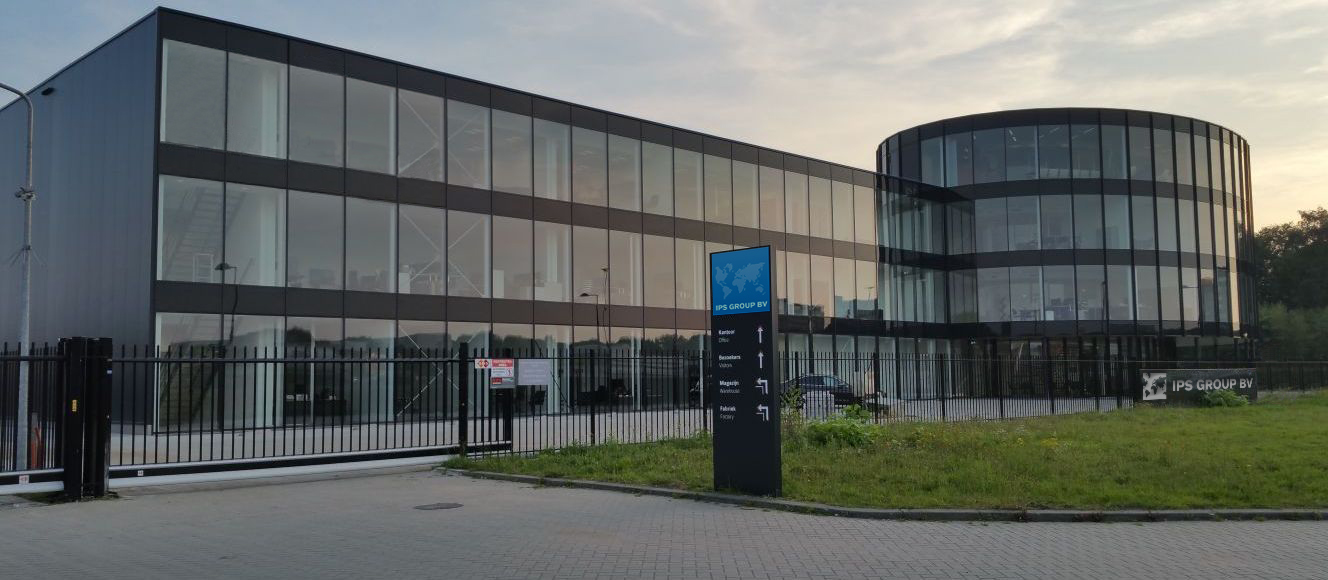
    • IPS Group BV | Head Office (NB), Technopol 4, 5026 SB Tilburg, The Netherlands

      IPS Group BV | Rhijnspoor 239, 2901 LB Capelle a/d IJssel, The Netherlands
    • sale@qbhardware.org
    • +31 (0) 10 303 2625