China Top 10 Thermal Putty Manufacturers for Global Buyers
China has become an important source of thermal management materials for electronics, batteries, LEDs, and power modules. For global buyers, selecting a capable supplier requires more than comparing prices or catalog images. Thermal Putty must maintain stable contact, controlled flow, and reliable heat transfer under real operating conditions. Small differences in viscosity can affect automated dispensing, assembly speed, and final product quality.
This guide introduces ten Chinese Thermal Putty manufacturers considered for international purchasing and technical cooperation. The selection focuses on manufacturing experience, material development, quality systems, production capacity, and export support. We also examine practical details, including packaging formats, technical data sheets, sample availability, and communication during validation. These details matter. A product may look suitable on paper but behave differently after thermal cycling, compression, or long storage. Buyers should request test reports, safety documentation, batch information, and application guidance before approving a supplier. Independent testing remains wise.
No ranking is perfect. Supplier capabilities can change, and public information may not show every production limitation. Some manufacturers excel in customized formulations, while others offer stronger volume production or faster documentation. A careful buyer should compare thermal conductivity, working temperature, thickness control, pump-out resistance, and compatibility with aluminum or coated surfaces. Factory audits and trial orders can reveal practical issues that websites do not mention. By combining published evidence with direct testing, global buyers can reduce technical risk and build a more dependable sourcing strategy. This article offers a useful starting point, not a substitute for engineering judgment.
What Thermal Putty Is and Why Global Buyers Need It
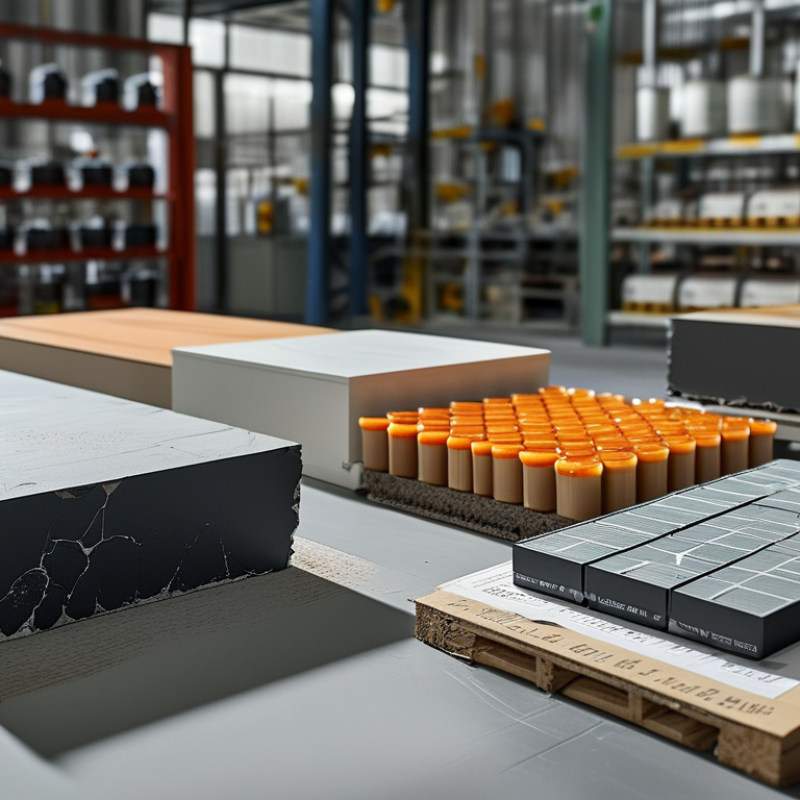
Thermal putty is a soft, thermally conductive gap filler used between heat sources and cooling surfaces. It fills uneven gaps around power modules, processors, batteries, and telecom components. Unlike rigid pads, putty can conform to rough surfaces and irregular heights. This reduces air pockets, which otherwise act like insulation. Practical testing still matters. A datasheet cannot fully predict factory performance.
Global buyers need thermal putty because modern devices generate more heat in smaller spaces. MarketsandMarkets estimates the global thermal interface materials market will grow from about USD 4.0 billion in 2023 to USD 6.1 billion by 2028. Most reports group thermal putty within broader TIM categories, so exact putty figures remain limited. That limitation deserves attention.
Selection should focus on thermal resistance, viscosity, compression behavior, dielectric properties, and long-term pump-out stability. A low thermal conductivity number alone can mislead. Installation thickness and contact pressure also change real results. Buyers should request test data at their intended bond line thickness. They should also check dispensing consistency, storage life, and compatibility with aluminum, copper, plastics, and protective coatings. The International Energy Agency reported that global electric car sales exceeded 14 million in 2023, increasing demand for reliable battery thermal management. Yet cost, automation, and rework requirements may outweigh peak conductivity in production. Performance is important. Manufacturability is often overlooked.
How China’s Thermal Putty Manufacturing Industry Has Developed
China Top 10 Thermal Putty Manufacturers for Global Buyers
China’s thermal putty industry developed alongside fast electronics manufacturing growth. The National Bureau of Statistics reported 11.8% growth in China’s electronic information manufacturing output in 2024. This expansion increased demand for gap fillers, heat spreaders, and dispensable thermal materials. Battery systems created another strong application. The International Energy Agency reported that China represented about 60% of global electric car sales in 2023. Thermal putty therefore moved beyond traditional computer cooling. It now supports battery packs, power modules, communication equipment, and industrial controls.
Manufacturing capability also became more disciplined. Chinese suppliers increasingly use automated mixing, vacuum deaeration, cartridge filling, and batch traceability. These steps reduce trapped air and uneven dispensing. Professional buyers should examine thermal conductivity, viscosity, pump-out resistance, compression behavior, and dielectric performance. A material may show excellent laboratory conductivity but fail after repeated heating and cooling. That detail is often underestimated. Industry analyses from MarketsandMarkets identify thermal interface materials as a steadily expanding market, supported by electrification and high-density computing. However, reported market values differ by product definition, so buyers should read the methodology carefully.
Tips: Request independent test reports and samples from the same production batch. Test application thickness, curing behavior, and storage stability. Ask for ISO 9001 records, safety data, and change-control procedures. Price alone is a weak indicator. Even experienced teams can overlook dispensing equipment compatibility.
China’s Top 10 Thermal Putty Manufacturers
China’s Top 10 Thermal Putty Manufacturers are attracting global buyers with flexible production and competitive engineering support. These suppliers serve LED lighting, battery systems, processors, sensors, and power modules. A reliable manufacturer should provide thermal conductivity data, viscosity ranges, curing details, and storage guidance. Factory audits can reveal mixing equipment, laboratory controls, packaging conditions, and batch traceability. Proof matters.
When comparing China’s top 10 thermal putty manufacturers, buyers should request samples for practical testing. Check spreadability with a controlled gap and observe pump pressure during application. Measure thermal resistance after assembly, not only from a product sheet. Ask whether the formulation remains stable after heat cycling, vibration, and humidity exposure. Some suppliers respond quickly but provide incomplete testing records. That weakness deserves attention.
Tips: Define the application before requesting quotations. Share operating temperature, target thickness, dispensing method, and substrate materials. Request three production batches when consistency is critical. Keep samples sealed and record mixing time, surface condition, and curing behavior. A low price may look attractive, yet replacement labor can cost more. Even experienced buyers can overlook interface pressure, which may change final thermal performance.
Key Factors for Comparing Products, Quality, and Certifications
For global buyers, thermal putty should be compared through measured performance, not attractive claims. A 2024 MarketsandMarkets report estimates the thermal interface materials market at about USD 4.2 billion, with strong growth toward 2029. This demand raises supplier competition, but numbers can hide testing differences. Ask for thermal conductivity, thermal impedance, density, viscosity, and pump-out data. Check the test method.
ASTM D5470 is widely used for thermal resistance testing. However, results depend on pressure, bond-line thickness, and surface finish. A putty showing 8 W/m·K may perform poorly inside a rough enclosure. Look for application-specific data.
Short samples are useful. Long-term cycling matters more. Request aging results after heat exposure, humidity, and repeated assembly. Certification files should also cover RoHS, REACH, and relevant safety requirements. UL 94 flammability ratings may be important near power electronics, but they do not prove thermal reliability.
Manufacturing quality deserves equal attention. Review batch traceability, lot inspection, packaging dates, and storage limits. A sealed cartridge is not automatically stable. I have seen comparisons overvalue initial conductivity while ignoring dispensing force and residue. That is a mistake. Suppliers should provide certificates of analysis, third-party test records, and clear warranty conditions. Yet no report replaces a trial on the buyer’s actual housing, pressure, and operating temperature. That final test is often missing. It should not be.
How Global Buyers Can Select and Source the Right Manufacturer
China Top 10 Thermal Putty Manufacturers for Global Buyers
Selecting the right thermal putty manufacturer requires more than comparing online prices. Global buyers should examine formulation experience, production capacity, and quality controls. Ask for technical data sheets, safety documents, and recent test reports. These records should show thermal conductivity, operating temperature, hardness, adhesion, and pump-out performance.
Request samples from several shortlisted manufacturers. Apply them to the same heatsink and test them under matching pressure and temperature conditions. Small differences can affect assembly yield. Check whether the manufacturer can support manual dispensing, screen printing, or automated equipment. Packaging also matters. Cartridges, jars, and syringes need clean sealing and stable storage conditions. Test it carefully.
A reliable supplier should explain batch traceability, inspection procedures, and correction processes. Ask how raw materials are approved and how production variations are controlled. Factory audits can reveal practical details, such as clean work areas, calibrated instruments, and organized inventory. Certifications are useful, but they should support real evidence rather than replace it.
Buyers should also review lead times, minimum order quantities, export documents, and communication speed. A low quotation may hide expensive tooling, delays, or inconsistent packaging. However, a polished presentation does not guarantee technical strength. That is an easy mistake. Use a written specification and a small pilot order before scaling. Even experienced teams can overlook shelf-life changes during long transportation. Leave room for retesting.