What are the Benefits of Oil Immersed Transformers for Buyers?
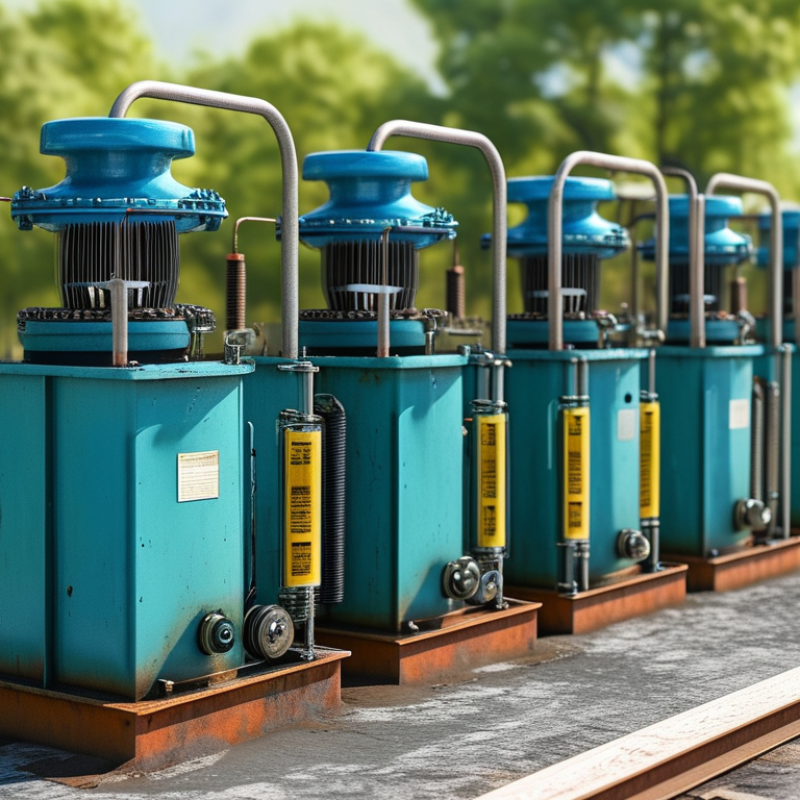
Oil-Immersed Transformers are a key component in modern electrical systems. They are known for their efficiency and durability. This type of transformer operates by immersing the core and windings in oil. The oil acts as an insulating medium and also cools the system.
Buyers often seek these transformers for their unique advantages. An Oil-Immersed Transformer can handle large loads effectively. It provides enhanced protection against environmental factors. Their robust construction leads to a longer lifespan, which is a significant plus for buyers.
It's important to consider some challenges. Maintenance may be more complex due to the oil. Leakage can occur, albeit rarely, which may pose risks. Balancing these aspects is crucial. Awareness of their benefits and potential downsides ensures informed decisions when selecting these transformers.
Benefits of Oil Immersed Transformers for Electrical Efficiency
Oil immersed transformers have several advantages for electrical efficiency. These transformers utilize oil for insulation and cooling, which allows for better thermal management. The oil effectively dissipates heat generated during operation. This results in improved performance and prolonged lifespan.
In addition, oil immersed transformers provide excellent electrical insulation. The insulating oil has a high dielectric strength, reducing the chances of electrical failure. This quality ensures that transformers can operate more reliably under various conditions. The reduced risk of outages can lead to significant cost savings for users.
However, it's essential to consider maintenance. While oil immersed transformers offer robust performance, they require regular monitoring of oil levels and quality. Neglecting this can lead to potential issues. Users must remain vigilant about maintaining these units to ensure their efficiency. Overall, when properly cared for, oil immersed transformers can greatly enhance electrical performance.
Enhanced Cooling Mechanisms in Oil Immersed Transformers
Oil immersed transformers are known for their superior cooling mechanisms. These transformers use oil as both an insulator and a coolant. The oil absorbs heat generated during operation, which aids in maintaining optimal performance. According to industry reports, they can operate at higher temperatures compared to dry-type transformers, leading to improved efficiency. This is crucial in high-load applications where performance can fluctuate.
Enhanced cooling not only increases the lifespan of the transformer but also ensures reliable energy transmission. Studies show that oil immersed transformers can boost the transformer's capacity by up to 20% under specific conditions. However, the use of oil does pose some challenges. Regular maintenance is required to monitor the oil quality and prevent contamination. This maintenance can be an overlooked expense for some buyers. Even with these possibilities, the cooling efficiency remains a strong selling point.
Transformers that leverage advanced cooling mechanisms tend to have a more efficient heat dissipation process. This directly affects operational stability and reduces the chances of thermal-related failures. With energy demands on the rise, the importance of effective heat management cannot be understated. Buyers must weigh the benefits against the necessary precautions. Insight into these factors helps make informed decisions in transformer procurement.
Benefits of Oil Immersed Transformers
Longer Lifespan and Reliability of Oil Immersed Transformers
Oil immersed transformers provide a significant advantage in terms of lifespan and reliability. Industry reports indicate that these transformers can last up to 30 years or more when properly maintained. Their design allows for efficient heat dissipation, reducing the risk of overheating. This is crucial for maintaining performance under heavy loads.
Research from the International Electrotechnical Commission highlights that oil immersion provides better insulation than air. Oil acts as a dielectric medium, which minimizes electrical arcing and breakdown. Less frequent breakdowns lead to lower maintenance costs and fewer interruptions in service. It's not just the daily performance that counts—overall reliability improves.
Despite these benefits, users must acknowledge potential drawbacks. Oil leaks can pose environmental risks, and maintenance requires attentive monitoring. Regular inspections and proper storage are essential to mitigate these risks. Thus, while oil immersed transformers have clear advantages, continuous assessment of their condition is vital for maximizing their benefits.
What are the Benefits of Oil Immersed Transformers for Buyers? - Longer Lifespan and Reliability of Oil Immersed Transformers
| Benefit | Description | Impact on Users |
| Longer Lifespan | Oil immersed transformers are designed to last longer due to better insulation and cooling properties provided by the oil. | Reduced replacement costs and extended service life improve investment returns. |
| Reliability | Oil provides excellent heat dissipation, ensuring consistent performance even under heavy loads. | Fewer outages and maintenance needs lead to increased system availability. |
| Low Maintenance | Due to their robust construction and cooling methods, these transformers require less frequent maintenance. | Lower operational costs and less downtime for maintenance work. |
| Environmental Stability | The oil used is often environmentally friendly and can function well in a range of temperatures. | Less environmental impact and better compliance with regulations. |
| Cost Efficiency | Lower operational and maintenance costs over the life cycle compared to dry-type transformers. | Enhanced financial performance and lower total cost of ownership. |
Cost-Effective Maintenance Strategies for Oil Immersed Transformers
Oil immersed transformers offer a range of benefits, particularly in terms of maintenance. Regular maintenance is crucial for performance. It can seem overwhelming, but it’s manageable with the right strategies. To be cost-effective, establish a clear maintenance schedule. This helps in identifying issues early. Routine checks can extend the life of the equipment significantly.
One practical approach is to monitor oil quality. The health of insulation oil affects transformer reliability. Regular sampling can detect contaminants and degradation. Utilizing mobile testing kits makes this process straightforward. It enhances your ability to respond to issues. Another aspect to consider is the cooling system. Dust and debris can accumulate. A simple cleaning routine can prevent unnecessary overheating.
Training staff is often overlooked. Providing your team with the necessary skills ensures that maintenance is performed correctly. However, it’s also essential to reflect on failures. Analyzing past mistakes helps to improve future strategies. Transitioning to oil immersed technology can be a learning curve. Embrace the process and make improvements along the way.
Environmental Impact and Sustainability of Oil Immersed Transformers
Oil immersed transformers play a crucial role in modern energy systems. Their design focuses on minimizing environmental impact while maximizing efficiency. According to the International Energy Agency, these transformers can achieve over 99% efficiency. This high efficiency leads to reduced energy losses, ultimately benefiting both the environment and consumers.
The use of mineral oil in these transformers raises concerns about sustainability. However, advancements in biodegradable oils offer a promising solution. A study by the Electric Power Research Institute found that these alternatives can significantly lower the ecological footprint. They are less toxic and degrade more quickly in natural environments.
Moreover, oil immersed transformers are designed to last longer, which reduces the frequency of replacements. Industry reports indicate that well-maintained transformers can function for over 40 years. This durability translates to fewer resources needed for production and disposal. While challenges in waste management persist, the long-term benefits can outweigh these concerns for many buyers.