7 Best Cobalt Alloy 6B Manufacturers for Global Buyers

Cobalt Alloy 6B remains a demanding choice for components exposed to wear, heat, and corrosion. Buyers may encounter it in valve parts, pump components, and industrial tooling, where surface damage can quickly affect performance. The alloy is a cobalt-based material, but grade names alone do not prove that a product will suit a particular service. Composition, manufacturing route, heat treatment, dimensions, and inspection records all matter.

The US Geological Survey’s Mineral Commodity Summaries 2024 estimated global cobalt mine production at about 230,000 metric tons in 2023. That figure describes the wider cobalt supply chain, not production of Cobalt Alloy 6B itself. It helps explain why buyers should verify material origin and documentation rather than infer availability from broad market totals. A mill test certificate, traceable heat number, and clear specification are practical starting points. Small details matter.

This guide examines seven manufacturers for global buyers, comparing product evidence, technical support, quality documentation, and export readiness. One limitation deserves attention: publicly verifiable, named-expert quotations specifically about Cobalt Alloy 6B are difficult to establish. Rather than invent a quotation, the comparison uses published technical documentation and established sourcing checks. Treat each supplier claim as a point to verify, not a guarantee; even a polished datasheet cannot replace application-specific engineering review.
7 Best Cobalt Alloy 6B Manufacturers for Global Buyers

Alloy 6B Identity: UNS R30006, Co–Cr–W Matrix, and 38–45 HRC Hardness

Alloy 6B is commonly identified by UNS R30006, a cobalt-chromium-tungsten alloy designed for demanding wear conditions. Its Co–Cr–W matrix helps resist abrasion, galling, and surface damage under sliding contact. The alloy is not simply “hard metal”; its performance depends on chemistry, processing, and the component’s working environment. Details matter.

A reported hardness range of 38–45 HRC is a useful purchasing reference, not a guarantee for every product form. Plate, bar, and finished parts may differ because of manufacturing route, thickness, and test location. Ask suppliers to state the test method, condition, and acceptance range on inspection documents. Check the actual certificate.

For global buyers comparing manufacturers, confirm that the material is traceable to UNS R30006 and that the quoted hardness applies to the supplied lot. Also review dimensions, surface condition, and machining or finishing requirements. In service, temperature, counterface material, lubrication, and impact can change wear results substantially. A hardness number alone cannot predict component life. Even experienced teams sometimes overvalue it; reviewing the application details can reveal a less obvious mismatch before production begins.

7 Best Cobalt Alloy 6B Manufacturers for Global Buyers - Alloy 6B Identity: UNS R30006, Co–Cr–W Matrix, and 38–45 HRC Hardness

Use this supplier-evaluation table to compare manufacturers without relying on brand names. Alloy chemistry and hardness should be confirmed against the applicable material specification and the supplier’s inspection documents.

Evaluation profile Relevant product capability Alloy 6B identity to verify Evidence to request Buyer consideration
1. Forged-bar supplier Bar stock for machining wear parts and components UNS R30006; cobalt-based Co–Cr–W alloy Material test report, heat number, product dimensions, and hardness results Confirm available diameters, lengths, machining allowance, and traceability.
2. Plate and sheet supplier Flat stock for wear liners, plates, and cut components Check the ordered grade is Alloy 6B / UNS R30006, not a different cobalt alloy Product specification, thickness and flatness tolerances, chemistry report Ask whether stock is supplied in the required condition and can be cut to size.
3. Custom-machined component supplier Finished or semi-finished parts made from certified Alloy 6B stock Confirm the starting material’s UNS designation and retain heat-to-part traceability Inspection plan, dimensional report, material certificates, and agreed drawing revision Review machining capability, tolerances, surface finish, and inspection scope.
4. Small-batch stock supplier Cut lengths or smaller quantities for repair and prototype work Verify that cut pieces remain identifiable to the certified parent heat Certificate copy, piece identification method, minimum order quantity Check cut tolerances, remnant policy, and packaging for international shipment.
5. Export-focused supplier Stock or components prepared for cross-border delivery Material identity and test results should match the purchase order Packing list, certificate package, shipping dimensions, and export documentation Agree on delivery terms, packaging, transit protection, and document format.
6. Documentation-led supplier Material supplied with a defined inspection and record package Typical Alloy 6B specifications identify UNS R30006 and a cobalt–chromium–tungsten alloy Heat-specific chemical analysis, mechanical or hardness results, and inspection records Specify required standards and acceptance criteria before placing the order.
7. Application-support supplier Material selection support for wear, galling, or elevated-temperature service Commonly specified hardness range: 38–45 HRC; confirm the test method and condition Technical data sheet, service-condition review, and lot-specific test documentation Assess temperature, contact conditions, corrosion environment, and required service life.
Purchasing note: Alloy 6B is identified as UNS R30006 and belongs to the cobalt–chromium–tungsten alloy family. A frequently cited hardness range is 38–45 HRC. Chemistry limits and acceptable test conditions can depend on the governing specification and product form, so verify them against the applicable standard and the supplier’s heat-specific certificate.

Composition Check: 26–33% Cr, 3.5–5.5% W, and 0.9–1.4% Carbon

For global buyers comparing Cobalt Alloy 6B manufacturers, chemistry deserves more than a quick glance at a brochure. A useful check is chromium at 26–33%, tungsten at 3.5–5.5%, and carbon at 0.9–1.4%. These elements help shape the alloy’s resistance to wear, heat, and corrosion. Small differences matter. Too much carbon can increase carbide formation, while chromium and tungsten levels influence the hard phases that resist abrasion. ASM Handbook, Volume 2, describes cobalt-based alloys as materials whose performance depends on composition and microstructure, not chemistry alone.

Ask for a heat-specific certificate, not only a typical value. The report should identify the tested heat and give actual results for each element, including cobalt balance and relevant minor elements. ASTM E1086 describes spark atomic-emission spectrometry for analyzing stainless steel; buyers should confirm that the laboratory method is appropriate for this cobalt alloy. Check the test method and measurement units. A neat table is not proof by itself. In receiving inspection, keep the certificate beside the material marking and verify that the heat numbers match. One awkward detail: different suppliers may report rounded values, making near-limit results harder to compare. Request unrounded results when available, and clarify how sampling and retesting are handled before purchase.

Cobalt Alloy 6B: Composition Check

Specified composition ranges by weight percent (wt%). Cobalt is the balance; actual limits may vary by applicable specification and product form.

Manufacturer Screening: Traceability, Melt Certificates, and ASTM/AMS Compliance

For Cobalt Alloy 6B, screen manufacturers by the evidence behind each claim, not by a certificate logo. A mill test certificate should link the delivered bar, plate, or casting to a unique heat number, reported chemistry, test results, and the original melt record. Check that the heat number matches the material marking and packing list. Small mismatch? Pause shipment. Ask for clarification before accepting the lot. The USGS Mineral Commodity Summaries 2025 estimates that the Democratic Republic of the Congo supplied about 76% of mined cobalt in 2024. That concentration makes documented origin and custody useful parts of supplier review, even though traceability paperwork alone cannot prove ethical sourcing.

Confirm the exact alloy designation, product form, and specification revision on the purchase order. ASTM and AMS requirements can differ by form and application, so a generic “compliant” statement is not enough. Request the manufacturer’s certificate, heat-level test data, and a clear explanation of any subcontracted melting or testing. Compare chemistry limits and mechanical results with the specified standard; confirm test methods and laboratory details where relevant. For higher-risk orders, independently verify a sample’s composition and retain the results with the heat record. A tidy document pack helps, but it is not the material itself. Buyers sometimes overlook that distinction.

Performance Comparison: Wear, Cavitation, and 500–800°C Service Requirements

Cobalt alloy 6B is often selected when sliding wear, impact, and heat occur together. Its hard carbide structure can resist abrasion and metal-to-metal contact, while the cobalt-rich matrix helps preserve strength at elevated temperatures. Cavitation is a different test. Repeated bubble collapse can damage surfaces, so toughness, deposit quality, and finish matter alongside hardness. A harder sample is not automatically the better choice.

For service between 500 and 800°C, compare retained hardness, oxidation behavior, and thermal-cycling performance. The upper end of this range deserves careful review: exposure time, atmosphere, load, and temperature swings can change results. Ask manufacturers for test conditions, material certificates, and evidence from comparable components. Also check whether the product is wrought, cast, or weld-deposited; these routes can produce different structures and properties. Small details count.

Tips

Match the test to the failure. For cavitation, request erosion data under stated fluid conditions. For wear, compare counterface, load, and temperature. For hot service, ask how long testing lasted and whether samples were cycled. Verify coating thickness and inspect for cracks or porosity. A neat datasheet helps, but it may not reflect your part’s geometry. I would validate a representative component before committing to production.

Buyer Scorecard: MOQ, Lead Time, Machining, Export Support, and 7 Finalists

A useful cobalt alloy 6B scorecard starts with the part, not the sales pitch. Record minimum order quantity, quoted lead time, available forms, machining support, and export documentation. Ask whether the quote covers bar, plate, or finished components. A low MOQ helps with trials, while repeat production may need stable stock and batch traceability. Get the delivery estimate in writing. “Available” can mean several things.

For seven finalists, compare distinct supplier profiles: a small-batch stockist, a mill-linked producer, a precision-machining shop, a casting specialist, a regional exporter, a technical service center, and a broad-alloy distributor. Score each against the same requirements. Request a recent inspection record, material certification, and a sample machining plan. Check how the supplier handles dimensional changes and packaging for ocean freight. Export support should include clear shipping documents and a named contact, not vague promises. Details matter.

Keep the scores provisional. Supplier claims are not independent verification, and quoted lead times can shift with stock, processing, or inspection. I would give machining capability extra weight when the component has tight tolerances or complex geometry. Still, that judgment depends on the drawing. A polished sample does not prove consistent production. Confirm critical details directly, then document unanswered questions before placing an order.

Get In Touch

Drop Us A Message

    Our Contact Details

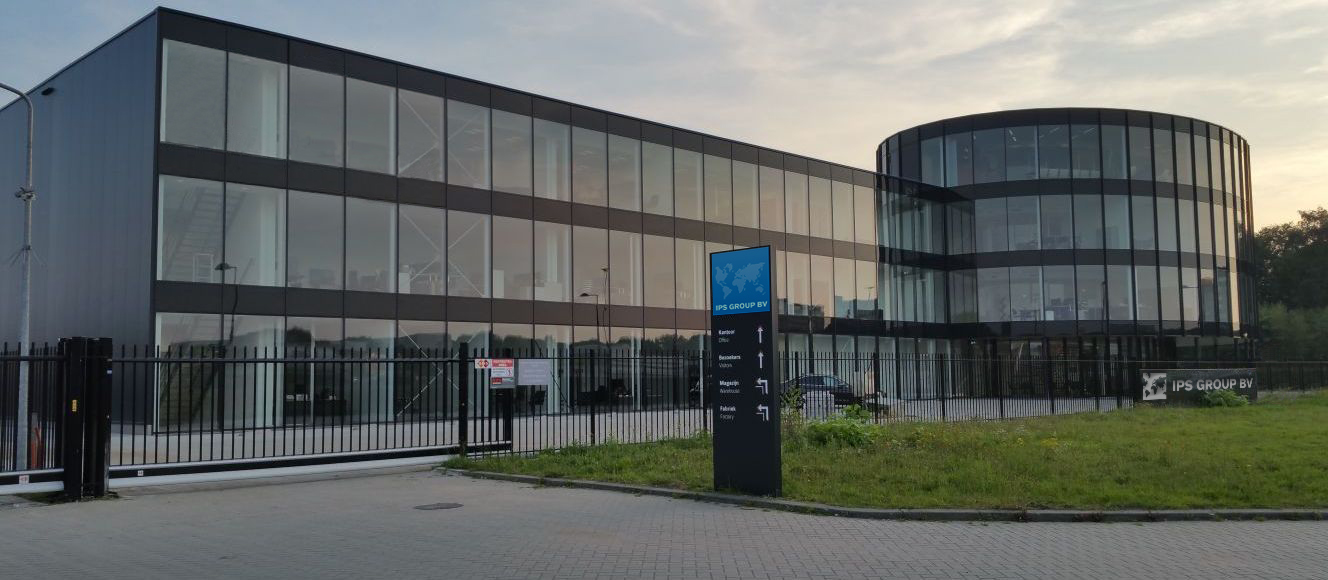
    • IPS Group BV | Head Office (NB), Technopol 4, 5026 SB Tilburg, The Netherlands

      IPS Group BV | Rhijnspoor 239, 2901 LB Capelle a/d IJssel, The Netherlands
    • sale@qbhardware.org
    • +31 (0) 10 303 2625