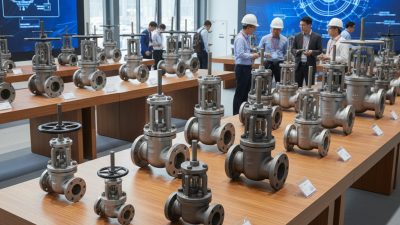
2026 Top Gate Valve Types for Global Buyers?

Choosing the right Gate Valves in 2026 requires more than comparing catalog prices. Global buyers face changing energy projects, water infrastructure needs, and stricter maintenance expectations.

Grand View Research estimates the global industrial valves market reached about USD 78.7 billion in 2023. Its outlook also indicates continued growth through 2030. Fortune Business Insights reports similar expansion across process industries, including oil and gas, power generation, chemicals, and municipal water systems. These figures describe industrial valves broadly, not gate valves alone. Market estimates also vary by scope and methodology.

The practical question is different.

Which valve design fits the pipeline?

This guide examines the leading gate valve types for international purchasing teams. It considers wedge gate valves, parallel slide gate valves, slab gate valves, knife gate valves, and expanding gate valves. Each type behaves differently under pressure, temperature, solids loading, and frequent cycling. A resilient-seated wedge valve may suit clean water and moderate service. A metal-seated design may perform better with heat, abrasive particles, or demanding industrial media. Knife gate valves can offer a compact solution for slurry lines, but they are not universal replacements.

Standards matter. Buyers should verify API 600, API 602, API 603, ASME B16.34, and ISO 5208 requirements where applicable. Material certificates, pressure-test records, fire-safe documentation, and traceable inspection reports should accompany serious quotations. A polished datasheet is not proof of field reliability. That remains an uncomfortable truth.

Installation space, actuator compatibility, spare-part access, and local service capacity deserve equal attention. The “top” valve is rarely the most expensive one. It is the one that remains dependable when the pipeline is cold, dirty, pressurized, and difficult to isolate.
2026 Top Gate Valve Types for Global Buyers?

What Is a Gate Valve and How Does It Work?

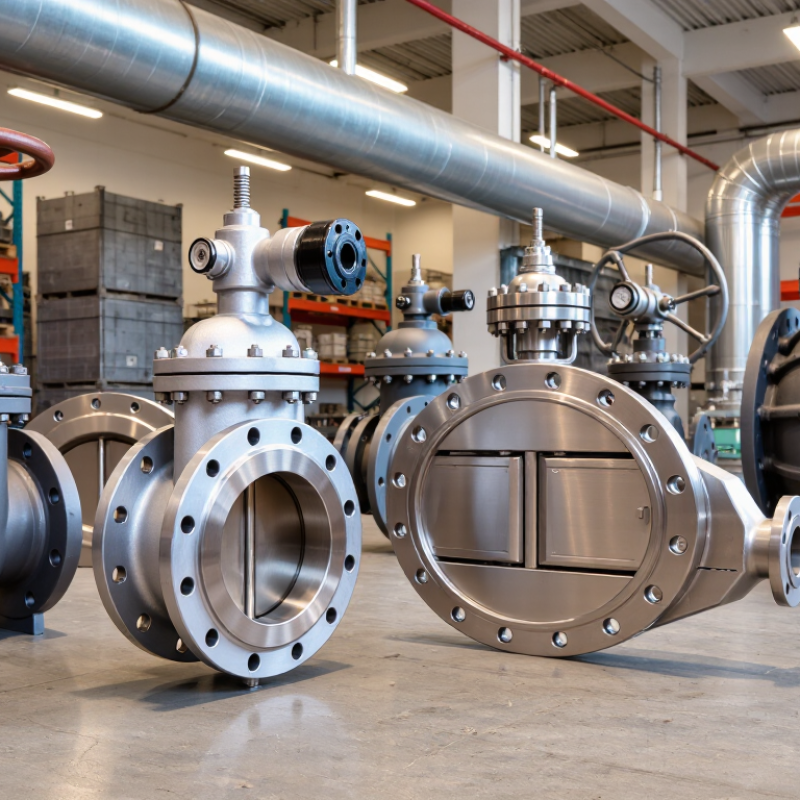
A gate valve controls flow by moving a gate across the fluid passage. The handwheel turns a stem, lifting or lowering the gate inside the body. When fully open, the gate leaves a nearly straight flow path. Pressure loss is usually low. When closed, it blocks the line and supports isolation.

That distinction matters. Gate valves are not ideal for regular throttling. A half-open gate can create turbulence, vibration, seat wear, and costly leakage.

Common designs include wedge gates, parallel gates, rising stems, and non-rising stems. A rising stem gives operators visible position feedback. Non-rising stems suit compact or buried installations.

Selection should consider pressure, temperature, fluid cleanliness, actuation, and maintenance access, not size alone. API 600 and ISO 5208 provide important design and testing references.

The numbers show why this equipment remains relevant. Grand View Research’s 2024 Industrial Valves Market report estimates the global market at about USD 78 billion in 2023, with continued growth toward 2030. Its scope covers industrial valves broadly, not gate valves alone. The U.S. Department of Energy’s pumping-system guidance also links poor throttling practices with avoidable energy losses.

In the field, technicians often flush debris before commissioning. Small particles can damage seating surfaces. A small but costly oversight. The textbook model also feels too neat: real pipelines suffer from corrosion, misalignment, and rushed maintenance. A reliable gate valve works only when the surrounding system is designed and operated carefully.
How Gate Valves Are Classified by Design and Operation

2026 Top Gate Valve Types for Global Buyers

How Gate Valves Are Classified by Design and Operation

Gate valves are mainly classified by gate design, stem movement, and operating method. A wedge gate uses an angled disc to create tight shutoff against matching seats. It suits many water, oil, and utility applications. A parallel gate uses parallel sealing surfaces and can handle certain flow conditions with reduced wedging stress. Slab gates are common where a straight-through passage helps limit pressure loss. Knife gate valves use a thin, sharp-edged plate for slurry, pulp, and other media containing solids.

Stem design creates another practical distinction. Rising-stem valves show stem movement above the handwheel, making opening position easy to check. Non-rising-stem valves save space, but hidden corrosion can be harder to notice. In field inspections, I look for stem lubrication, seat leakage, and handwheel resistance. A clean appearance can deceive. Internal wear may remain invisible.

Operation also separates gate valve types. Manual handwheels work well for smaller lines and infrequent adjustment. Gear operators reduce effort on larger valves. Electric, pneumatic, and hydraulic actuators support remote or automated control, but each needs suitable torque, power, and fail-position planning. Gate valves generally perform best as isolation devices, not frequent throttling valves. Selecting by pressure rating alone is an avoidable mistake. Buyers should compare body material, seat material, temperature range, line size, media behavior, and maintenance access. A valve that fits the drawing may still be awkward beside a crowded pipe rack.

2026 Top Gate Valve Types for Global Buyers? - How Gate Valves Are Classified by Design and Operation

Gate Valve Type Primary Design Classification Gate and Seat Arrangement Typical Operation Common Size Range Typical Service and Media Main Advantages Important Limitations Buyer Selection Focus
Resilient-Seated Wedge Gate Valve Wedge gate; soft-seated Solid, split, or hollow wedge covered with an elastomer; the wedge seals against inclined seats. Handwheel, gearbox, electric actuator, or other powered actuator. Commonly DN 50–DN 1200; larger sizes are available depending on design and service. Potable water, raw water, irrigation, wastewater, and low-temperature utility services. Low operating torque, good shutoff, simple flow path, and no elastomer-to-metal sliding during normal opening. Elastomer compatibility limits temperature and chemical resistance; unsuitable for throttling and abrasive service. Check seat material, water-service approvals where required, pressure class, corrosion protection, and buried-service suitability.
Metal-Seated Wedge Gate Valve Wedge gate; metal-seated Wedge seals against machined metal seats; may use a solid, flexible, or split wedge. Handwheel, gearbox, electric, pneumatic, or hydraulic actuation. Commonly DN 50–DN 1000 in process and energy systems; size depends on pressure and material requirements. Steam, hydrocarbons, high-temperature water, gas, and general industrial process fluids. Higher temperature capability, good mechanical durability, and compatibility with many process fluids. More sensitive to contamination and seat damage; shutoff may not be as tight as a resilient seat, especially with solids. Confirm body and trim materials, allowable temperature, leakage requirement, pressure class, and corrosion or erosion allowance.
Parallel-Slide Gate Valve Parallel gate; parallel seats Two parallel discs or plates are pushed toward parallel seats, often with springs or internal spreading components. Handwheel, gearbox, electric actuator, or other actuator. Commonly DN 50–DN 900 in power and process applications. Steam, boiler feedwater, hot water, gas, and high-temperature process lines. Reduced risk of wedge jamming from thermal expansion; suitable for some high-temperature services. Requires appropriate differential pressure and seat design; not intended for throttling or frequent positioning. Review thermal operating conditions, minimum differential pressure, disc design, seat leakage class, and maintenance access.
Slab Gate Valve Parallel gate; through-conduit design A flat gate moves between two parallel seats; the open gate generally provides a full-bore passage. Manual gearbox, electric, hydraulic, or pneumatic actuation. Commonly DN 50–DN 1200 in pipeline systems; larger sizes are used in selected projects. Oil, natural gas, refined products, and pipeline fluids where full-bore pigging may be required. Full-bore flow path, low pressure loss when fully open, and suitability for many pipeline operations. Poor choice for throttling; seat sealing can be affected by debris, pressure direction, and differential pressure. Verify bore dimensions, pigging requirements, double-block-and-bleed needs, fire-safe design, and pipeline pressure rating.
Expanding Gate Valve Expanding gate; mechanical wedging A segmented gate expands mechanically against both seats, creating a positive seal in the closed position. Manual gearbox, hydraulic actuator, or electric actuator. Commonly DN 50–DN 600 in specialized pipeline and wellhead services. High-pressure oil and gas isolation, wellhead equipment, and applications requiring reliable bidirectional isolation. Positive mechanical seating, bidirectional sealing potential, and reduced seat rubbing during travel. More complex construction, higher purchase cost, and greater maintenance requirements than basic wedge valves. Check pressure-temperature rating, seal arrangement, actuation torque, cavity relief, sour-service requirements, and maintenance procedures.
Knife Gate Valve Thin plate gate; lug, wafer, or flanged body A thin, sharpened or flat plate moves linearly through the medium and may use resilient or metal seats. Handwheel, chainwheel, pneumatic cylinder, electric actuator, or hydraulic actuator. Commonly DN 50–DN 1200; very large sizes are used in selected water and bulk-material systems. Slurry, pulp, wastewater, powders, dry bulk solids, and fluids containing suspended solids. Compact face-to-face length, effective cutting action, and suitability for media that can clog conventional gates. Usually not a full substitute for a process gate valve; pressure and temperature ratings are often more limited. Confirm media concentration, particle size, flow direction, seat type, body pattern, leakage requirement, and actuator sizing.
Cryogenic Gate Valve Specialized wedge or parallel gate; extended bonnet Gate and seats are engineered for low-temperature contraction; an extended bonnet protects the stem packing from extreme cold. Handwheel, gearbox, electric actuator, or pneumatic actuator. Commonly DN 15–DN 600, depending on storage, transfer, and process-system requirements. Liquefied natural gas, liquid nitrogen, oxygen, argon, hydrogen, and other cryogenic fluids. Designed to maintain sealing and stem functionality at very low temperatures. Higher cost, specialized materials, strict cleanliness requirements, and more demanding installation procedures. Review minimum design temperature, oxygen compatibility where applicable, bonnet length, insulation clearance, leakage testing, and material traceability.
Rising-Stem Gate Valve External-stem operating design The stem moves vertically with the gate; position can be identified visually from the stem extension. Handwheel, gearbox, electric, pneumatic, or hydraulic actuator. Available across small to very large nominal sizes, subject to pressure class and valve construction. Water, industrial utilities, process piping, power generation, and hydrocarbon systems. Clear visual position indication and easier external inspection of stem travel. Requires additional vertical clearance and may be vulnerable to environmental exposure around the exposed stem. Measure available overhead space, specify stem protection, and confirm packing design and actuator travel limits.
Non-Rising-Stem Gate Valve Internal-stem operating design The stem rotates without moving vertically; the threaded stem mechanism is located inside the valve body or bonnet. Handwheel, buried-service key, gearbox, or actuator. Commonly DN 50–DN 600 in municipal and utility networks. Water distribution, irrigation, fire-water systems, and underground utility piping. Compact vertical profile and suitability for valve chambers or buried installations. Valve position is less obvious; internal stem threads may be exposed to the line medium and require compatible materials. Check stem corrosion resistance, operating key dimensions, chamber clearance, coating system, and position indication.
General buying note: Gate valves are normally intended for fully open or fully closed isolation rather than continuous throttling. Final selection should be based on pressure class, temperature, media compatibility, corrosion and erosion conditions, end connection, leakage requirement, installation space, actuation method, applicable standards, inspection requirements, and local regulatory approvals.

Which Gate Valve Types Fit Different Industrial Applications?

For 2026 procurement, gate valve selection should follow the process, not a catalog ranking. Fortune Business Insights estimates the global industrial valves market will grow from about USD 80 billion in 2024 to more than USD 108 billion by 2032. That expansion reflects demanding energy, water, chemical, and infrastructure applications.

Rising stem gate valves suit above-ground pipelines where operators need visible position control. Non-rising stem designs save vertical space, especially in buried water networks and compact treatment plants. Wedge gate valves provide reliable shutoff for general liquid service. Parallel-slide gate valves perform better in high-temperature steam systems, where thermal movement can affect sealing. Soft-seated valves offer tight closure in clean water, but metal-seated designs usually tolerate abrasive particles and higher temperatures more effectively.

Different duties need different bodies. Cast steel is common for moderate pressure systems, while forged steel supports smaller, high-pressure lines. API 600 and API 603 provide widely used design references for steel gate valves; EN 1171 covers industrial valve requirements in many European projects. Procurement teams should also check ASME pressure classes, corrosion data, cycle frequency, and actuator torque. The wrong choice may still pass a factory test. It may fail after months of throttling, which gate valves generally should not perform. I have seen specifications overemphasize pressure rating while ignoring sediment, temperature swings, and maintenance access. No selection matrix is perfect. Field conditions deserve the final review.

What Materials and Standards Matter for Global Buyers?

For global buyers, gate valve performance begins with material selection, not the catalog photograph. Ductile iron suits many water systems, while carbon steel handles higher pressure and temperature. Stainless steel offers better resistance against chlorides, moisture, and several chemical services. However, stainless steel is not automatically the safest choice. The fluid, temperature, pressure, and corrosion conditions must be checked together.

The body material is only one part. Stem, wedge, seat, and bolting materials can determine service life. For example, a stainless stem may resist atmospheric corrosion, but the seat still needs compatibility with the operating medium. In practical procurement, ask for material certificates, heat numbers, pressure-test records, and traceability documents. Small paperwork gaps can create large problems during installation or inspection. That assumption can fail.

Standards also require careful comparison. API 600 and API 602 commonly address steel gate valve construction, while ASME B16.34 covers pressure-temperature ratings and design requirements. ISO 5208 is widely used for pressure testing, and EN 558 helps compare face-to-face dimensions. These standards are not interchangeable in every project. Verify the required edition, flange rating, end connection, testing class, and national regulations before ordering. A valve may meet one standard yet mismatch the pipeline layout. I have seen specifications that looked complete but omitted the actual media and temperature range. The correct material choice then remained uncertain. Superb documents cannot repair poor operating data.

2026 Top Gate Valve Types for Global Buyers: Materials and Standards That Matter

The chart shows representative ASME pressure-class benchmarks at 38°C, expressed in bar. Class ratings increase from 150 to 2500, but the actual allowable pressure depends on the valve material, temperature, trim, design, and applicable standard. Carbon steel valves such as ASTM A216 WCB are widely used for general oil and gas service, stainless steel options such as ASTM A351 CF8M are preferred for corrosion resistance, and alloy steel is selected for higher-temperature or demanding duty. Common purchasing references include API 600 and ISO 10434 for bolted-bonnet steel gate valves, API 603 for corrosion-resistant gate valves, API 6D for pipeline valves, and ASME B16.34 for pressure-temperature ratings.

How to Compare Gate Valve Quality, Cost, and Supplier Reliability?

2026 Top Gate Valve Types for Global Buyers

How to Compare Gate Valve Quality, Cost, and Supplier Reliability?

Gate valve selection should begin with service conditions, not catalog price. Wedge gate valves suit general isolation duties and tolerate moderate alignment changes. Parallel-slide designs perform well in high-temperature systems with frequent thermal movement. Slab and expanding gate valves often serve pipelines where low pressure drop matters. The wrong type can create leakage, vibration, or difficult maintenance.

According to MarketsandMarkets’ Industrial Valves Market report, the sector may grow from about USD 78.7 billion in 2023 to USD 100.5 billion by 2028. This growth increases supplier choice, but not necessarily supplier quality. Compare pressure ratings, body materials, stem design, coating thickness, and cycle testing. Request inspection records, heat-number traceability, hydrostatic test results, and certificates against API 600, API 6D, or applicable ISO requirements. A clean test report is useful. It is not absolute proof.

Cost needs a wider calculation. Include spare parts, installation time, actuator compatibility, customs handling, and downtime risk. A cheaper valve with poor packing may leak around the stem after repeated cycling. Ask for a defined warranty, documented nonconformance process, and realistic production dates. The 2024 Global Supply Chain Pressure Index still shows that logistics disruptions can affect industrial delivery planning. Supplier reliability should therefore include response speed, inspection access, packaging details, and replacement support. I would not trust an impressive factory video alone. Physical audits and witnessed factory acceptance tests remain more convincing.

Get In Touch

Drop Us A Message

    Our Contact Details

    • IPS Group BV | Head Office (NB), Technopol 4, 5026 SB Tilburg, The Netherlands

      IPS Group BV | Rhijnspoor 239, 2901 LB Capelle a/d IJssel, The Netherlands
    • sale@qbhardware.org
    • +31 (0) 10 303 2625